
Last Updated on July 6, 2026 by Ellen Christian
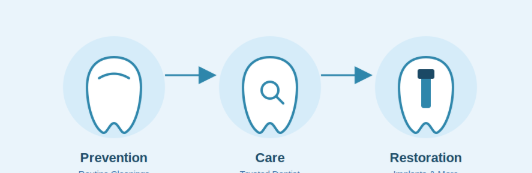
Here’s something most people never really think about: dental care isn’t a bunch of separate errands. It’s one long thread. The cleaning you get every six months, the dentist you (hopefully) trust, and — if things ever go sideways — the implant that fixes what’s broken. They’re all connected, whether you’ve noticed or not. This piece walks through all three, plainly, without the fluff.
Posts may be sponsored. This post contains affiliate links, which means I will make a commission at no extra cost to you should you click through and make a purchase. As an Amazon Associate I earn from qualifying purchases.
Building Good Habits: The Role of Routine Cleanings
Why This Actually Matters
You can brush twice a day, floss most nights, do everything “right,” and still end up with plaque in spots your toothbrush was never going to reach. That’s just how it goes — the gumline and the tight spaces between teeth don’t care how good your technique is. Which is exactly why teeth cleaning in Toronto isn’t optional busywork; it’s the thing catching what your routine physically can’t. Skip it long enough and that plaque hardens into tartar, and tartar is basically a welcome mat for gum disease and cavities. Six months is the usual interval dentists recommend, though if you smoke, have diabetes, are pregnant, or have a history of gum trouble, you’re probably looking at every three or four months instead.
What’s Actually Happening in the Chair
First comes scaling — a hygienist scraping plaque and tartar out from under the gumline with tools built for exactly that job. Then polishing, which smooths the tooth surface so new plaque has a harder time grabbing on. Fluoride often gets tacked on at the end, strengthening enamel a little more each visit. None of this is the same as a checkup, by the way — a checkup adds an exam and sometimes X-rays, catching things like a cavity sneaking in between teeth that a cleaning alone would sail right past. They usually happen together, but they’re not interchangeable.
Honestly, showing up on schedule matters more than having a picture-perfect routine at home. I’d take someone with average brushing habits and consistent six-month visits over someone with great habits and spotty visits, every time.
The visits catch what daily brushing simply can’t.
Worth remembering:
- Six months is standard — sooner if you smoke, have diabetes, or a gum disease history
- Scaling and polishing reach what your toothbrush structurally cannot
- Ask about fluoride treatment; it’s a small add that compounds over time
- Pair cleanings with periodic full checkups, since they’re catching different things

Finding a Dentist You Can Rely On
Credentials Come Before Convenience
It’s tempting to just pick whichever Bowmanville dentist has the shortest wait time. Don’t. Start with credentials instead — a two-minute check confirms whether they’re registered with the Royal College of Dental Surgeons of Ontario (RCDSO), which tells you they’re licensed, in good standing, and actually accountable to something. Skip this step and you’re trusting a stranger with your teeth based purely on vibes.
One Office, Fewer Headaches
Beyond that, think about scope. A dentist who only does cleanings is going to send you elsewhere the moment something more complicated comes up — and that’s annoying, especially mid-emergency. Practices that cover cleanings, fillings, emergencies, and minor restorative work in-house save you the runaround. And if you’ve got kids, a practice that treats the whole family tends to make scheduling far less of a headache.
The Part Nobody Puts on Their Checklist
Here’s the thing that’s harder to quantify: does this dentist actually talk to you like a person? Do they explain what’s going on and why, or just tell you what’s happening next? Being able to ask a dumb question about cost or pain and get a real answer — not a rushed one — is usually what determines whether you come back in six months or never again. If you’re unsure, book a consultation before committing to treatment. It costs you little and tells you a lot.
Worth checking before you commit:
- RCDSO registration — confirm it, don’t assume it
- What’s actually covered in-house, emergencies included
- Whether they explain, or just instruct
- A trial consultation if you’re on the fence

When Restoration Becomes an Option
When a Tooth Is Actually Gone
Decay, injury, gum disease, a root canal that didn’t take — any of these can end with a missing tooth, and that’s when restoration becomes the real conversation. Dental implants in Sarnia, alongside bridges and dentures, are the standard options a dentist will walk you through. Implants generally make sense when it’s one tooth, or a few scattered ones, and there’s enough bone density underneath to actually hold the post. When that’s not the case, or when someone wants something less invasive, bridges and dentures come back into play.
The Process, Stripped Down
It’s not a single appointment — it’s a sequence. Consultation and imaging first, to check candidacy and bone density. Then surgical placement of the post. Then healing, which can stretch for months while the bone actually fuses to the implant (osseointegration, if you want the technical term). Only after that does the visible crown go on. Timelines swing a lot from person to person — bone health, healing speed, whether bone grafting is needed first, all of it factors in.
Questions Worth Asking Before You Commit
Nobody but a qualified dentist or oral surgeon can actually tell you if you’re a good candidate — and that only happens after a real evaluation, not a blog post. So walk into that consultation prepared: ask about realistic timelines, ask what success looks like specifically for your case, ask what maintenance actually involves once it’s done.
Bring these questions in:
- Am I actually a good candidate, based on bone density and health?
- What’s the real timeline, healing included?
- How does this compare to a bridge or denture for my case specifically?
- What does ongoing maintenance look like?
Final Thoughts
None of this works as a checklist you do once and forget. Cleanings catch small stuff early. A dentist you trust keeps small stuff from becoming big stuff. And when something does go wrong anyway — because sometimes it does — implants and other restorative options are there to fix it. Understanding how these three connect is really just about staying a step ahead, instead of catching up after the fact.
Note: This article is for general informational purposes only and is not a substitute for professional dental advice. Please consult a licensed dentist or oral surgeon for guidance specific to your situation.

Ellen is a busy mom of a 29-year-old son and 33-year-old daughter. She owns nine blogs and is addicted to social media. She believes that it doesn’t have to be difficult to lead a healthy life. She shares simple healthy living tips to show busy women how to lead fulfilling lives. If you’d like to work together, email info@confessionsofanover-workedmom.com to chat.
