
Last Updated on February 20, 2026 by Ellen Christian
Upgrading your home’s exterior can feel both exciting and overwhelming at the same time. You picture fresh curb appeal, better energy efficiency, and maybe even a boost in resale value.
Posts may be sponsored. This post contains affiliate links, which means I will make a commission at no extra cost to you should you click through and make a purchase. As an Amazon Associate I earn from qualifying purchases.

How to Plan and Budget for Major Exterior Home Improvements
Then reality sets in. There are estimates to compare, materials to research, and timelines to juggle with work and family life. For busy homeowners, especially in places where heavy rain, coastal storms, and snowy winters take a toll on houses year after year, exterior improvements are not just cosmetic projects. They are essential maintenance decisions.
A well-planned exterior renovation protects what matters most inside your home. New siding can reduce drafts. Updated windows can lower utility bills. A strong, properly installed roof shields everything beneath it from moisture and structural damage. While it is tempting to focus on fresh paint colors or updated light fixtures, the real value of exterior upgrades comes from thoughtful planning and smart budgeting. When you approach the process with a clear strategy, you reduce stress, avoid surprise expenses, and make decisions that truly support your family’s comfort and safety.
Start from the Top Down: Prioritizing Your Home’s “Big Three”
Before you think about landscaping or decorative accents, focus on the structural essentials. Every home has three major exterior components that do the heavy lifting: the roof, siding, and windows. These systems protect your home from water intrusion, wind, and temperature extremes. If one of them fails, the damage can spread quickly and become expensive to fix.
Protecting your home starts at the top. If you notice missing shingles, sagging areas, or water stains in the attic, it may indicate deeper structural issues. Hiring a professional roofing installation company is the most effective way to prevent leaks, insulation damage, and costly interior repairs. Addressing roof issues early helps reduce the risk of mold growth and energy loss. Once the roof is secure, you can evaluate siding for cracks or warping and check windows for broken seals or drafts.
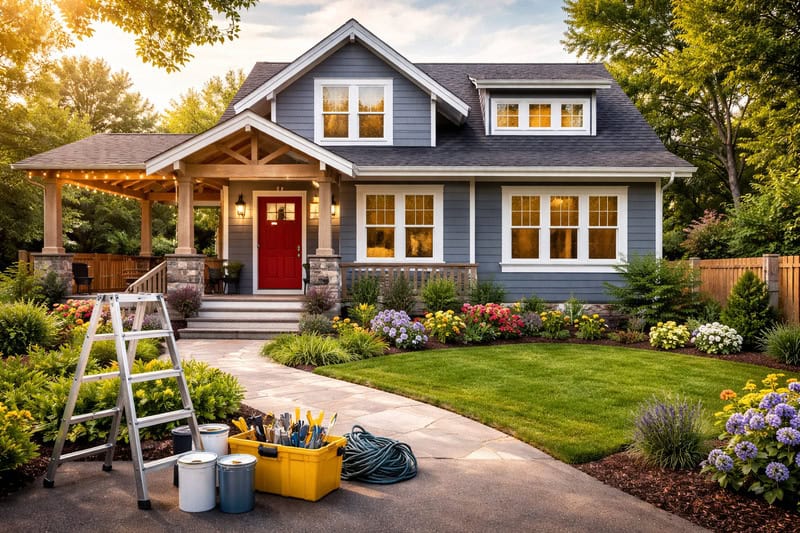
Set a Realistic Budget and Build a 20% Surprise Fund
After identifying which projects matter most, turn your attention to the numbers. Start by gathering at least two or three detailed estimates for each major improvement. Compare not only total cost but also materials, labor, warranties, and timelines. Research average pricing in your area so you understand what is reasonable and where you may be overpaying.
No matter how carefully you plan, unexpected issues can surface once work begins. Contractors may uncover hidden water damage or structural repairs that were not visible during the initial inspection. That is why adding a 20 percent surprise fund to your budget is so important. This cushion protects you from financial stress and prevents you from cutting corners halfway through the project.
RELATED: Sustainable Home Renovations
Structural Integrity First, Cosmetic Upgrades Second
It is natural to want visible results. A fresh coat of paint or new exterior lighting can instantly change how your home looks. However, cosmetic upgrades should follow addressing structural concerns. Improving appearances without fixing underlying problems can lead to higher costs later.
Think in terms of order and impact. Secure the roof and ensure proper drainage with functional gutters. Repair or replace damaged siding to prevent moisture intrusion. Upgrade windows if drafts or condensation signal energy loss. Once these core systems are solid, you can confidently move on to decorative updates. This sequence protects your investment and supports long-term value rather than short-term curb appeal.
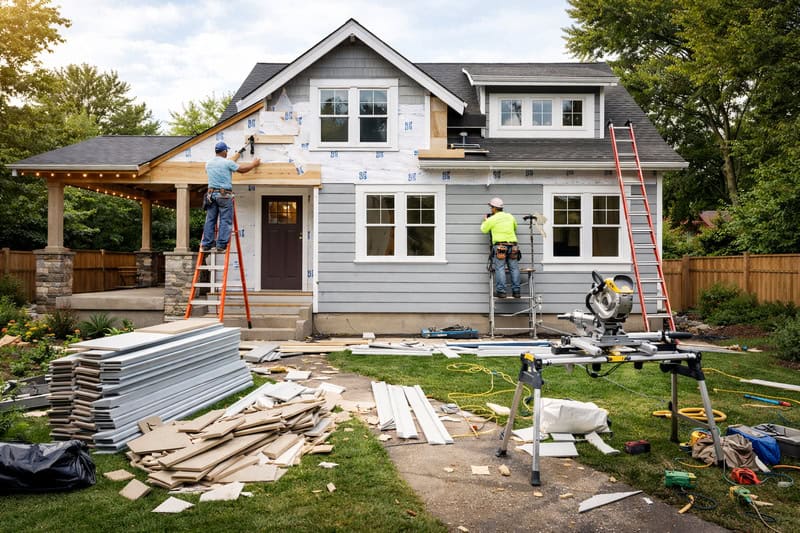
Timing Is Everything: Seasonal Planning and Contractor Availability
When planning major exterior work, timing can influence both cost and convenience. Spring and summer are popular seasons for roofing and siding projects because the weather is generally predictable. However, high demand can mean longer wait times and higher prices. If your schedule allows, consider booking in late fall when contractors may have more availability and greater flexibility.
Create a simple project calendar before signing any contracts. Factor in weather patterns, school schedules, vacations, and work commitments. Booking early gives you time to review estimates carefully and avoid rushed decisions. Thoughtful timing reduces stress and keeps your project moving without unnecessary delays.
DIY or Call the Pros? Knowing Your Limits
Some exterior updates are manageable for a confident homeowner. Painting trim, updating house numbers, or installing new outdoor lighting can be satisfying weekend projects. These smaller tasks save money and let you personalize your home without major risk. The key is to stay realistic about your skill level and available time.
Structural work requires professional expertise. Roofing, siding replacement, and window installation demand precision and proper safety measures. Mistakes in these areas can lead to water damage, insulation problems, and voided warranties. Always verify licenses, insurance coverage, and references before hiring. A qualified professional protects both your home and your peace of mind.

Choose Sustainable and Energy-Efficient Materials
Exterior upgrades offer an opportunity to improve your home’s efficiency. Energy-conscious materials can lower heating and cooling costs while increasing overall comfort. Reflective roofing products reduce heat absorption in warmer months. Insulated siding and energy-efficient windows help maintain indoor temperatures year-round.
Look beyond the upfront price and consider long-term savings. Some materials qualify for local rebates or tax incentives, which can offset initial expenses. Durable products also reduce maintenance needs over time. When you select materials that balance performance and longevity, you invest in both your budget and the environment.
Plan for Daily Life During Renovation
Major exterior projects can disrupt your routine. Expect noise, limited driveway access, and workers moving around your property throughout the day. Preparing in advance helps your household adjust more smoothly. Move outdoor furniture away from work zones and, when possible, protect landscaping.
Clear communication with your contractor makes a big difference. Ask about daily start times, cleanup procedures, and safety precautions. If you have children or pets, create a secure area away from active work. Staying organized during the renovation keeps stress manageable and ensures everyone remains safe.
When you approach exterior upgrades with a thoughtful plan, you protect your investment and strengthen your home’s foundation. The result is more than improved curb appeal. It is a safer, more comfortable space that supports your family every day.

Ellen is a busy mom of a 29-year-old son and 33-year-old daughter. She owns nine blogs and is addicted to social media. She believes that it doesn’t have to be difficult to lead a healthy life. She shares simple healthy living tips to show busy women how to lead fulfilling lives. If you’d like to work together, email info@confessionsofanover-workedmom.com to chat.
