
Last Updated on March 28, 2026 by Ellen Christian
Many homeowners feel frustrated when each new season brings a new repair. Summer pushes cooling systems to the limit. Fall fills gutters with debris. Winter exposes drafts and weak insulation. Spring often reveals water damage that stayed hidden for months. These problems do not happen overnight. They build up when a home is not prepared for changing weather.
Posts may be sponsored. This post contains affiliate links, which means I will make a commission at no extra cost to you should you click through and make a purchase. As an Amazon Associate I earn from qualifying purchases.

Creating a Home That Handles Every Season With Grace
Creating a home that handles every season with grace starts with simple but smart decisions. You do not need constant renovations. You need steady maintenance, durable materials, and careful planning. When you focus on prevention instead of repair, you protect your comfort, reduce surprise expenses, and keep your home strong throughout the year.
Think Ahead Instead of Reacting
Many homeowners wait until something breaks before taking action. A leak appears, a draft gets worse, or a wall shows damage. By that point, the repair often costs more and takes longer. A seasonal mindset changes that pattern. It means checking key areas of your home before extreme weather arrives.
Walk around your property at the start of each season. Look for loose materials, cracks, peeling paint, and blocked drainage. Inside, pay attention to temperature changes and unusual moisture. Small signs usually appear before major damage. When you respond early, you prevent larger problems. This habit saves money and reduces stress. A well-maintained home rarely surprises you.
RELATED: How Preventative Maintenance Saves you Time and Money
Build a Stronger Exterior Shell
Your home’s exterior stands between your family and the elements. Rain, wind, sun, and cold air all test its strength. If the outer layer fails, moisture and drafts quickly follow. Cracked panels, warped boards, and gaps around seams allow water to seep in and insulation to weaken.
Upgrading worn materials protects your structure and improves energy efficiency. Proper siding installation helps seal vulnerable areas and supports long-term durability. Skilled workmanship matters just as much as the materials themselves. Poor installation leads to early repairs and higher costs. When the exterior shell stays solid, the rest of the home performs better. You gain comfort, lower maintenance demands, and better protection through every season.
RELATED: Ultimate Guide to Whole Home Comfort
Stop Energy Loss Before It Starts
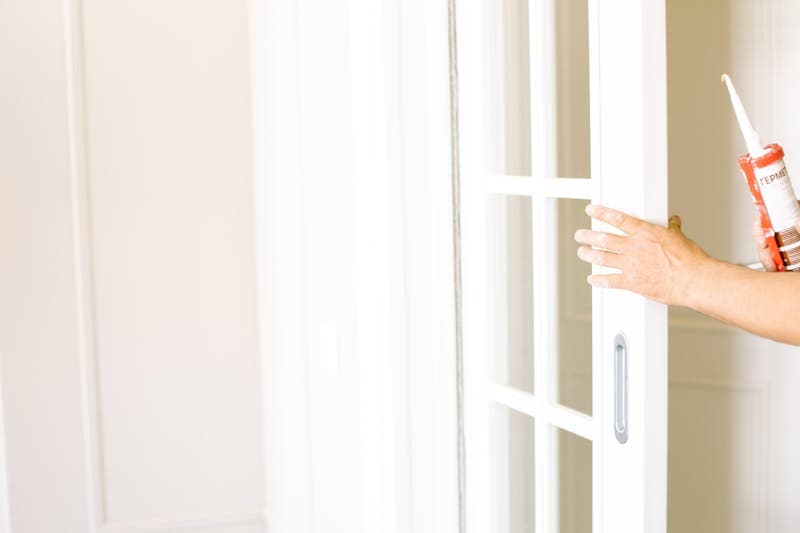
Many comfort issues begin with hidden air leaks. Warm air escapes in winter. Cool air slips out in summer. Even small gaps around windows, doors, and vents can increase energy use. Over time, this strain affects your heating and cooling systems.
You can spot early warning signs without special tools. Uneven room temperatures, rising energy bills, and noticeable drafts often point to leaks. Sealing gaps with weatherstripping or caulk can make an immediate difference. For older homes, upgrading insulation may offer even greater improvement. When you control airflow, you maintain steady indoor temperatures. That stability reduces system strain and keeps your home comfortable without constant thermostat adjustments.
RELATED: Why Property Projects Feel Overwhelming
Give Your Roof and Gutters Proper Attention
Your roof and gutters handle heavy work year-round. Rain, snow, and debris collect on the surface and along drainage paths. When gutters clog, water overflows and damages siding, foundations, and landscaping. Small roofing issues can turn into leaks if left unchecked.
Inspect your roof at least twice a year. Look for missing shingles, cracked flashing, and loose edges. Clean gutters before the heavy rain season begins. Make sure downspouts direct water away from the foundation. If you notice sagging or pooling water, address it quickly. Routine care prevents interior damage and costly emergency repairs. A well-maintained roof protects every room beneath it and supports long-term structural health.

Control Moisture Before It Spreads
Moisture causes more long-term damage than most homeowners expect. Water can enter through small cracks, roof gaps, poorly sealed windows, or plumbing leaks. Once inside, it can damage wood framing, insulation, and drywall. Over time, trapped moisture may lead to mold growth, which affects indoor air quality and requires professional cleanup.
You can reduce risk by keeping exterior surfaces sealed and by checking areas around windows, doors, and vents. Make sure bathrooms and kitchens have working exhaust fans that vent outside, not into the attic. Keep crawl spaces dry and properly ventilated. If you notice peeling paint, soft wood, or musty smells, investigate early. Quick action limits structural damage and keeps repair costs under control.
Keep Exterior Paint and Finishes in Good Shape
Exterior paint does more than improve appearance. It protects wood and other materials from moisture and sun exposure. When paint cracks or peels, water can reach the surface underneath. Over time, that moisture may cause rot or surface breakdown.
Inspect painted areas every year, especially around trim, doors, and window frames. Clean dirt and mildew to prevent surface damage. If you notice bare spots, sand and repaint them before the damage spreads. Use high-quality exterior paint designed for your climate. Proper surface preparation matters. Remove loose paint and seal gaps before applying new coats. Maintaining finishes extends the life of siding and trim. Regular care prevents deeper structural issues and keeps your home looking well cared for.
Plan Repairs Before They Become Emergencies
Many expensive repairs begin as small issues that homeowners ignore. A minor leak, loose flashing, or cracked seal may not seem urgent at first. However, seasonal weather can worsen these weak points quickly. Heavy rain or freezing temperatures often expose hidden problems.
Schedule routine inspections for roofing, plumbing, and exterior surfaces. Keep written notes so you can track changes over time. When you spot early signs of wear, address them promptly.
This approach allows you to plan costs instead of facing sudden expenses. It also reduces the risk of damage spreading to other parts of the home. Staying proactive protects your budget and helps your home stay stable through shifting weather conditions.
A home that handles every season with grace does not rely on luck. It depends on steady care, informed choices, and timely action. When you control moisture, upgrade weak areas, maintain protective finishes, and plan repairs early, you prevent avoidable damage. You also create a more comfortable and efficient living space.
Seasonal changes will always test your home. Rain will fall. Temperatures will rise and drop. Wind will strain exterior surfaces. When you prepare instead of react, those changes become manageable. With consistent attention and practical improvements, your home remains strong, safe, and ready for whatever the year brings.

Ellen is a busy mom of a 29-year-old son and 33-year-old daughter. She owns nine blogs and is addicted to social media. She believes that it doesn’t have to be difficult to lead a healthy life. She shares simple healthy living tips to show busy women how to lead fulfilling lives. If you’d like to work together, email info@confessionsofanover-workedmom.com to chat.
