
Last Updated on September 4, 2026 by Ellen Christian
Your air conditioner sat idle all winter. The first blazing week of July is not the moment to find out something is wrong. A few hours of simple maintenance in April or May can mean the difference between a summer of quiet, cool rooms and a panicked call to a technician during a heat wave.
Posts may be sponsored. This post contains affiliate links, which means I will make a commission at no extra cost to you should you click through and make a purchase. As an Amazon Associate I earn from qualifying purchases.
Most of these tasks take under 30 minutes. None of them require an HVAC license. What they do require is knowing which jobs belong to you and which ones belong to a professional, because crossing that line is where homeowners get themselves in trouble. This checklist draws that boundary clearly.
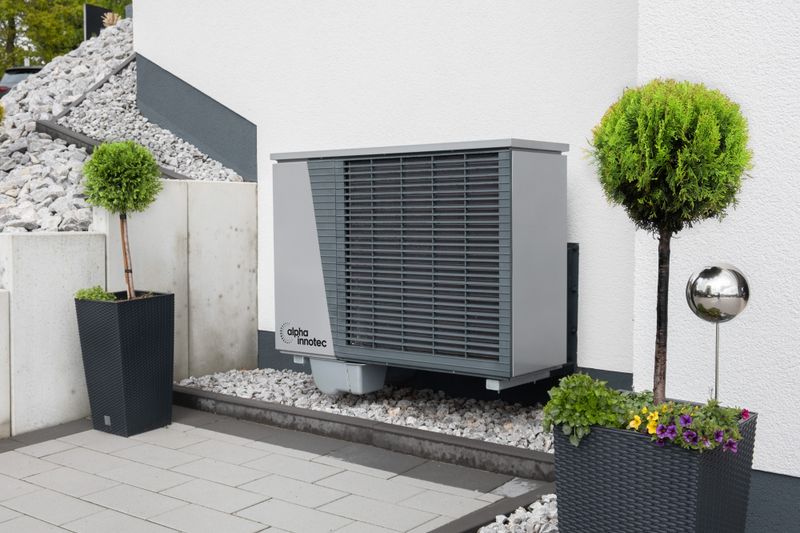
Start Outside: Clear the Condenser Unit
Walk around to your outdoor unit before you do anything else. Over a winter in a climate like Minnesota’s, leaves, seed pods, twigs, and a surprising amount of debris collect inside and around the condenser. A unit that can’t breathe works harder, runs hotter, and wears out faster.
Turn the power off at the disconnect box first. Then:
- Clear a two-foot radius around the unit of vegetation, mulch, and yard debris.
- Remove the top fan grille (four screws on most units) and lift out any debris by hand.
- Spray the fins gently with a garden hose from the inside out to flush trapped dust.
- Straighten any bent fins with a fin comb, available at any hardware store for about five dollars.
Bent fins block airflow the same way a clogged drain clogs a sink. A fin comb is one of those cheap tools that earns its price in the first five minutes.
Change the Filter. Seriously, Change It.
This is the maintenance task that every homeowner knows about, and half of them skip. A dirty filter restricts airflow, makes the system work harder than it should, and pushes dust into the air handler where it has no business being.
Replace your filter every one to three months during cooling season, depending on filter type, how often the system runs, and whether you have pets or a dusty home. A one-inch flat filter needs attention monthly in a busy household. A four-inch pleated filter can go longer, but check it anyway.
While you’re at it, vacuum out the filter slot itself. Dust builds up on the edges and bypasses even a fresh filter if the slot isn’t clean.
Check Airflow Room by Room
Walk every room in the house with the system running. Hold your hand near each supply vent. The airflow should feel consistent across rooms at a similar distance from the air handler. If one room is noticeably weaker, you’re looking at a blocked vent, a closed damper someone forgot about, or a duct problem.
Open every register fully. Partially closed registers are not a good way to zone a house. They force pressure into ducts that weren’t designed for it, which stresses the blower motor and can cause the system to short-cycle. If you want room-by-room temperature control, a zoning system with dampers is the proper fix.
Check that no furniture, rugs, or curtains are blocking vents. Even a partially covered register affects how cooled air distributes through the whole house.
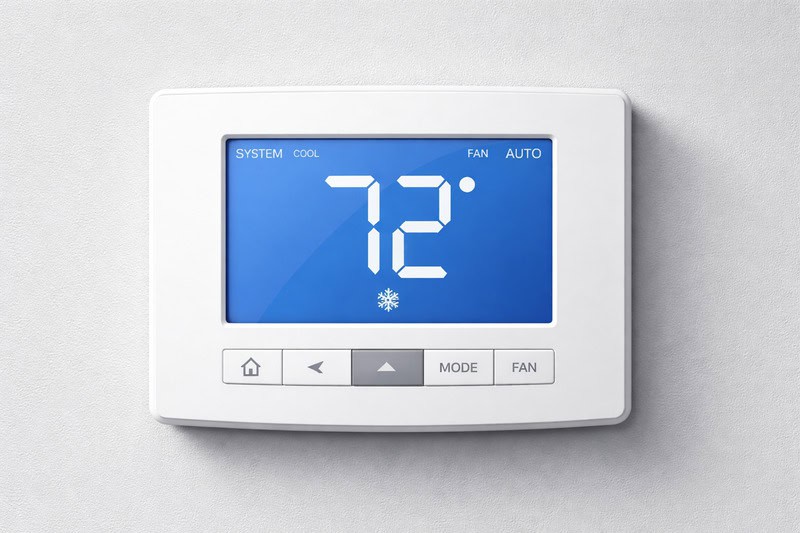
Test the Thermostat and Drain Line
Set the thermostat five degrees below room temperature and listen. The outdoor unit should start within a minute, and cold air should reach all registers within a few minutes. If nothing happens, check the circuit breaker before assuming the worst.
Next, find the condensate drain line. It’s a white PVC pipe that exits the air handler and drains outside or to a floor drain. Algae and mold love this pipe. Flush it with a cup of distilled white vinegar, wait 30 minutes, then flush with water. A clogged drain line can trigger a safety shutoff or, worse, drip water inside your home over weeks before you notice it.
The DIY vs. Pro Line: A Simple Decision Framework
Here’s a framework I call the Comfort-Risk-Cost Check. Before you attempt any AC task, run it through three questions:
- Comfort: Am I physically comfortable doing this, or am I guessing?
- Risk: Does this involve refrigerant, high-voltage wiring, or gas connections?
- Cost: If I get this wrong, does it void a warranty or cause a bigger failure?
If your answer to question 2 or 3 is yes, stop and call a technician. Refrigerant handling requires EPA certification. Electrical work inside an air handler can be genuinely dangerous. The five tasks above clear all three questions for most homeowners. Coil cleaning with chemicals, refrigerant recharging, and blower motor service do not.
“A homeowner starting with a new unit in 1985 and replacing it every 13 or 14 years thereafter can come reasonably close to achieving the lowest [energy and cost] impacts.”
University of Michigan Center for Sustainable Systems researchers reached that conclusion in a widely cited study on residential AC replacement timing, underscoring that planned replacement beats emergency replacement for both your budget and energy use.
About a third of central air conditioners in single-family homes are at least a decade old, and according to University of Michigan research, the typical central air conditioner purchased today is rated about 25 percent more efficient than systems purchased 10 years ago, largely due to stricter federal efficiency standards. That gap matters to your electric bill every single month a tired old unit is still running.
What Your Maintenance Checklist Can’t Fix
Regular upkeep extends a system’s life, but it can’t reverse time. Knowing when to stop maintaining and start planning a replacement is its own skill.
| Warning Sign | Likely Cause | DIY Fix?
|
|---|---|---|
| Uneven cooling room to room | Duct leak or undersized unit | Check registers; call a pro for duct inspection |
| Grinding or banging sounds | Failing motor or loose components | No. Power off and call a technician. |
| Ice forming on the coil | Airflow restriction or low refrigerant | Change filter first; refrigerant needs a pro |
| Rising energy bills, same usage habits | Efficiency decline as unit ages | No. Evaluate repair vs. replace. |
| Unit over 15 years old, frequent repairs | End of service life | No. Plan a replacement. |
A unit past 15 years with two or more repairs in the last two seasons is telling you something. The U.S. Department of Energy’s Federal Energy Management Program has calculated that an ENERGY STAR-qualified residential central air conditioner saves money if priced no more than $927 above a less efficient model, with the best available model saving up to $3,154 over its lifetime. That math changes the conversation about replacement costs quickly.
If you’re in the Twin Cities metro and your unit is at that stage, getting a professional assessment makes sense before another summer of declining performance. Homeowners looking into AC replacement Shorewood have access to full-service HVAC teams that size and install equipment specific to the demands of Minnesota’s humidity-heavy summers and hard winters, which is exactly the kind of local expertise that generic online guidance can’t replicate.
Your Pre-Summer Maintenance Checklist at a Glance
- Power off the outdoor unit and clear a two-foot perimeter
- Remove debris from inside the condenser and flush fins with a hose
- Straighten bent fins with a fin comb
- Replace or wash the air filter (check your filter type for correct interval)
- Vacuum the filter slot
- Walk every room and confirm consistent airflow from all registers
- Make sure no furniture or rugs are blocking vents
- Test the thermostat by dropping the set point five degrees below room temp
- Flush the condensate drain line with white vinegar
- Schedule a professional tune-up if the unit is over 10 years old
Run this list once before the season starts and again in mid-summer if the system has been running hard. A two-hour investment in April beats a 10-day wait for a service appointment in August. And if your checklist turns up more red flags than green ones, that’s information too. A system that needs help now will need more help in three months, and the hottest week of the year is the worst possible time to make that call.

Ellen is a busy mom of a 29-year-old son and 33-year-old daughter. She owns nine blogs and is addicted to social media. She believes that it doesn’t have to be difficult to lead a healthy life. She shares simple healthy living tips to show busy women how to lead fulfilling lives. If you’d like to work together, email info@confessionsofanover-workedmom.com to chat.
