
Last Updated on May 22, 2026 by Ellen Christian
Does your home feel truly comfortable in every season? Comfort is more than temperature. It is the way a space supports your body and mood from morning to night.
Posts may be sponsored. This post contains affiliate links, which means I will make a commission at no extra cost to you should you click through and make a purchase. As an Amazon Associate I earn from qualifying purchases.

Many people assume comfort comes from one system. It does not. It is created by layers working together. Air quality, insulation, lighting, sound control, and layout all play a role. When even one element is off, the imbalance is felt quickly.
Extreme weather has made this clearer. Summers are getting hotter in many regions. Winters have brought unusual cold snaps. Energy costs have climbed, so efficiency is being watched closely. A comfortable home is no longer a luxury. It is a priority.
Small upgrades can create meaningful change. Larger improvements may be planned over time. Every step counts. In this blog, we will share practical and realistic whole-home comfort solutions that improve temperature control, air quality, energy efficiency, and daily livability without unnecessary complexity.
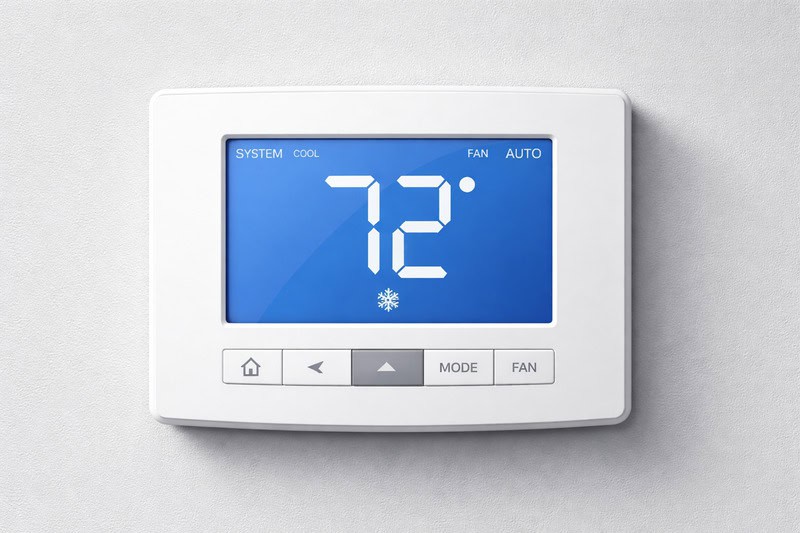
Climate Control That Actually Works
Temperature sets the tone for everything else. If a room feels too hot or too cold, nothing else matters. During warmer months, air conditioners do the heavy lifting, keeping indoor spaces livable when temperatures rise outside.
Heating and cooling systems should be checked regularly. Filters should be replaced on schedule. Vents should remain clear. These small steps are often skipped, yet they improve airflow quickly.
When uneven temperatures are noticed between rooms, the system may need attention. The air conditioner might be running, but cool air may not be reaching every space evenly. In these cases, homeowners can look up AC companies near me to find qualified technicians who can assess system performance, check refrigerant levels, and recommend upgrades that improve efficiency without overspending.
This step should not feel reactive. It is preventative. A properly sized and maintained system will distribute air evenly. Humidity levels will be managed better. Utility bills will often stabilize.
Smart thermostats are frequently installed during upgrades. Temperature schedules can be programmed. Remote adjustments can be made easily. These tools add convenience while reducing waste.

Insulation and Sealing for Lasting Results
Comfort begins inside the walls. Insulation may not be visible, yet it shapes indoor temperature constantly.
If a home feels drafty, gaps may be present. Windows may not seal tightly. Doors may allow air to slip through unnoticed. Weatherstripping can be replaced quickly. Caulking can be refreshed.
Attic insulation should be inspected periodically. Heat rises, so energy loss often occurs above. When insulation levels are improved, heating and cooling systems work less. That reduces strain and extends equipment life.
Basements and crawl spaces should not be ignored. Moisture can accumulate. Air leaks can develop. When these areas are sealed properly, indoor temperature becomes easier to control year-round.
These upgrades are often simple. The impact is long-term. Energy waste is reduced. Comfort is stabilized quietly.
Indoor Air Quality Matters More Than Ever
Air quality affects health directly. It cannot be ignored.
Dust, allergens, and pollutants circulate through HVAC systems. Filters capture some of it. High-efficiency filters can be installed to improve performance. Regular maintenance supports cleaner airflow.
Humidity control also plays a role. Excess moisture encourages mold growth. Air that is too dry can irritate skin and lungs. Whole-home humidifiers or dehumidifiers may be added if needed.
Plants can improve ambiance. Ventilation systems can be upgraded. Air purifiers are often used in bedrooms. These layered approaches create noticeable improvements.
Windows should be opened when outdoor conditions allow. Fresh air supports circulation. It reduces stagnant air buildup. Small habits contribute to long-term comfort.
Lighting and Sound Shape Comfort Too
Temperature is only one piece of the puzzle. Lighting influences mood and energy levels.
Natural light should be maximized during the day. Curtains can be adjusted seasonally. Light-blocking shades may be added in bedrooms for better sleep.
Layered lighting works best. Overhead fixtures provide brightness. Lamps create warmth. Dimmers allow flexibility. When lighting is adaptable, rooms feel balanced.
Sound control is often overlooked. Hard surfaces reflect noise. Rugs absorb echo. Curtains soften sound. When background noise is reduced, stress levels drop subtly.
Even small adjustments matter. A quieter room feels calmer. A well-lit room feels welcoming. Light-blocking shades may be added in bedrooms for better sleep.
Furniture Layout and Flow
Comfort is also about movement. Pathways should remain clear. Furniture should not block vents.
Air circulation depends on open space. Large couches placed over floor registers can restrict airflow. Rearranging furniture can improve both comfort and aesthetics.
Seating should support posture. Work-from-home setups should be ergonomic. Back pain and eye strain reduce overall well-being. These issues can be corrected with thoughtful placement. Clutter should be minimized. Visual noise creates mental strain. Storage solutions can be added. Organized spaces feel lighter.
Flow should feel natural. Movement should not require constant adjustment. When rooms are arranged intentionally, stress is lowered without dramatic renovation.
Energy Efficiency That Supports Comfort
Energy efficiency and comfort are connected. They are not separate goals.
Older appliances may consume excess power. Upgrading to energy-efficient models reduces strain. Modern systems operate more quietly and consistently.
Ceiling fans can support airflow. They reduce reliance on heating and cooling systems. Reversible fans improve winter performance.
Window treatments should match climate needs. Thermal curtains can reduce heat loss. Reflective shades limit summer heat gain. These changes are affordable and effective.
Consider these practical upgrades:
●Install programmable thermostats
●Replace worn weatherstripping
●Upgrade attic insulation
●Schedule annual HVAC maintenance
●Seal visible air leaks
Each step improves performance gradually, and when combined thoughtfully, overall comfort is strengthened without overwhelming expense.
RELATED: Preparing your AC for summer
Planning for Long-Term Comfort
Whole-home comfort should be viewed as an ongoing process. Systems age. Weather patterns shift.
Regular inspections are recommended. Equipment lifespan should be monitored. Replacement timelines should be anticipated rather than delayed.
Budgeting for upgrades reduces stress later. Preventative care is less expensive than emergency repairs. A proactive mindset protects both finances and comfort.
Technology continues to evolve. Smart systems integrate climate, lighting, and security. These tools can simplify management. They can also reduce waste.
A comfortable home supports daily life quietly, because when climate control, insulation, air quality, lighting, layout, and energy efficiency are all addressed together instead of in isolation, the result is a balanced environment that feels steady in every season and allows you to relax, focus, and enjoy your space without constantly adjusting the thermostat or opening another window in frustration.

Ellen is a busy mom of a 29-year-old son and 33-year-old daughter. She owns nine blogs and is addicted to social media. She believes that it doesn’t have to be difficult to lead a healthy life. She shares simple healthy living tips to show busy women how to lead fulfilling lives. If you’d like to work together, email info@confessionsofanover-workedmom.com to chat.
