
Last Updated on June 24, 2026 by Ellen Christian
Buying a car as a family is one of those decisions that feels straightforward until you are actually in the middle of it. Suddenly you are weighing boot space against fuel costs, arguing about whether seven seats are really necessary, and trying to figure out if the price on the windscreen is the actual price or just a starting point. For families in Perth, where long school runs, weekend sports, and sprawling suburban distances are just part of daily life, getting this decision right matters more than most.
Posts may be sponsored. This post contains affiliate links, which means I will make a commission at no extra cost to you should you click through and make a purchase. As an Amazon Associate I earn from qualifying purchases.
Here is what to think through before you sign anything.

1. Know What the Car Actually Needs to Do
Before you look at a single listing, get clear on how the car will be used day to day. School pickup and grocery runs need different things than long family road trips. A city commuter vehicle that works perfectly for two adults can feel claustrophobic with three kids and a dog in the back.
Think about the number of regular passengers, boot space for sport and school gear, parking practicality in your suburb, and whether you will regularly be on highways or mostly navigating suburbs and car parks. That clarity filters out a lot of unsuitable options very quickly.
2. Set a Real Budget — Including the Extras
The sticker price is only one part of what a car costs. Registration, insurance, fuel, and servicing add up significantly, and families on tight schedules often underestimate how quickly maintenance costs accumulate.
A practical budget should include:
- On-road costs — stamp duty, registration, and dealer delivery fees
- Insurance — family vehicles with younger drivers can carry higher premiums
- Fuel type — petrol, diesel, and hybrid running costs vary considerably
- Service intervals — some manufacturers have expensive parts and long waits for bookings

3. New vs Used: What Families Often Get Wrong
New cars come with warranties and the comfort of knowing the full history — but they depreciate fast. A new vehicle can lose 15 to 20 percent of its value in the first year alone.
Used cars offer better value per dollar, but require more due diligence. For family buyers, a certified pre-owned vehicle from a reputable dealer often hits the sweet spot — you get a reliable car with documented service history at a price that leaves room in the budget for other things.
4. Do Your Research Before Visiting Any Dealer
Walking onto a dealership lot without preparation puts you at a disadvantage from the moment you arrive. Looking at cars for sale Perth online first lets you compare makes, models, and price points before anyone is trying to sell you something. You arrive knowing what similar vehicles are selling for, which takes a lot of the pressure out of the negotiation.
Carmart Perth lists its inventory with transparent pricing and detailed vehicle information, which makes the research phase considerably easier for buyers who want to go in prepared rather than rely on the showroom experience to guide the decision.
5. Safety Ratings Are Non-Negotiable for Families
When children are regular passengers, safety ratings should be a filter, not a footnote. Vehicles that earn top scores in independent crash-testing programs are designed to provide stronger occupant protection and often include advanced safety technologies that can help drivers avoid collisions altogether. According to the U.S. National Highway Traffic Safety Administration (NHTSA), its 5-Star Safety Ratings Program helps consumers compare vehicles based on crashworthiness and overall safety performance, making it a valuable tool for families evaluating their options.
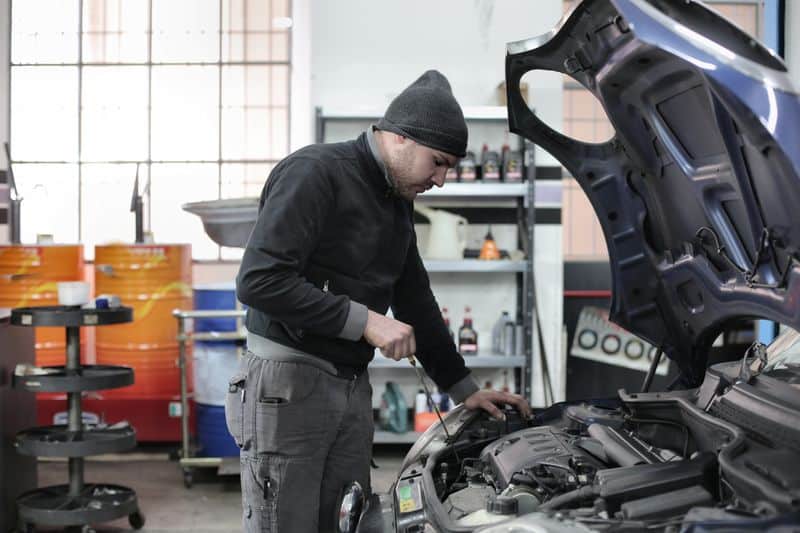
6. Get a Pre-Purchase Inspection
Even for certified used vehicles, an independent mechanical inspection is worth every cent. A qualified mechanic who has no stake in the sale will tell you things a dealer’s own inspection might not surface — worn suspension components, evidence of past repairs, or signs that the service history does not quite match the condition of the vehicle.
For private sales especially, this step is not optional. The cost of an inspection is a fraction of what an undetected problem can cost once the car is yours.
7. Read Every Line of the Contract
Dealer contracts can include add-ons that were never part of the original conversation — extended warranties, paint protection packages, tyre insurance. These are not inherently bad, but they should be your choice, not a surprise on the paperwork.
Ask for a full breakdown of every line item before signing. A good dealer will walk you through it without hesitation. If someone is reluctant to explain the charges, that tells you something important before you have committed to anything.
Final Thoughts
Buying a family car does not need to be stressful, but it does need to be deliberate. The families who come out of the process happiest are the ones who took time to define what they needed, set a realistic budget, and did enough research to walk into negotiations with confidence.
The right car is out there. The preparation is what makes sure you actually end up with it rather than something that almost fits.

Ellen is a busy mom of a 29-year-old son and 33-year-old daughter. She owns nine blogs and is addicted to social media. She believes that it doesn’t have to be difficult to lead a healthy life. She shares simple healthy living tips to show busy women how to lead fulfilling lives. If you’d like to work together, email info@confessionsofanover-workedmom.com to chat.
