Last Updated on June 25, 2026 by Ellen Christian
Bordeaux is a city that rewards curiosity. Its elegant waterfront, grand 18th-century architecture, and world-famous wine culture make a strong first impression, but many of the city’s most interesting stories are hidden in the details. A guidebook can point you toward the major attractions. A local guide can help you understand what you’re actually looking at.
Posts may be sponsored. This post contains affiliate links, which means I will make a commission at no extra cost to you should you click through and make a purchase. As an Amazon Associate I earn from qualifying purchases.
That difference is why free walking tours have become one of the most popular ways to experience Bordeaux.
The City Is Bigger Than Most Visitors Realize
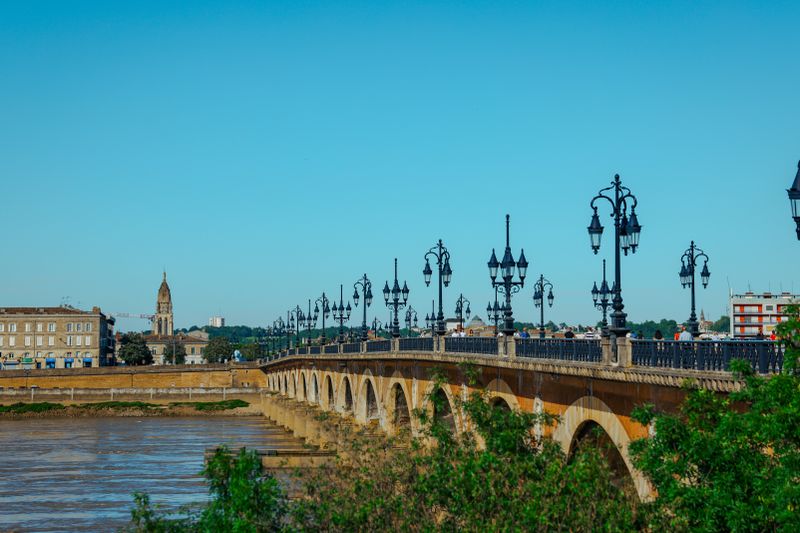
Bordeaux was inscribed on the UNESCO World Heritage List in 2007 on the basis of its 18th-century architecture and urban ensemble. The inscribed area covers 1,810 hectares, nearly half the entire city, making it the largest urban World Heritage site in France. More than 350 buildings are classified or listed as historical monuments.
The iconic sites are spread across different neighbourhoods, each with its own character and history. Without local context, it’s easy to walk past important places without understanding their significance or miss entire sections of the city that deserve attention.
A walking tour helps connect those pieces together. In just a few hours, visitors gain an understanding of how Bordeaux developed, how its districts relate to one another, and where they may want to spend more time later in their trip.
What a Guide Gives You That a Guidebook Cannot
1. Living History and Storytelling
Guidebooks provide facts. Local guides provide stories. Bordeaux’s history spans Roman settlements, medieval trade routes, centuries of wine commerce, wartime occupation, and modern urban renewal. A skilled guide brings those periods to life by connecting them to the streets, buildings, and public squares standing in front of you.
Visitors often hear about local legends, historical controversies, influential figures, and lesser-known events that rarely appear in standard travel resources. These stories transform a collection of monuments into a living city with a unique personality.
2. Access to Hidden Corners
Most visitors find the major attractions easily enough. Places like Place de la Bourse, the Miroir d’Eau, and Cathédrale Saint-André appear in every guidebook. The value of a walking tour often comes from everything in between.
Local guides frequently lead visitors through:
- Hidden courtyards tucked behind historic facades.
- Narrow medieval alleyways in the Saint-Pierre district.
- Quiet squares away from busy tourist routes.
- Architectural details and local landmarks that most visitors overlook.
These lesser-known locations often provide a more authentic glimpse of everyday life in Bordeaux than the city’s most photographed attractions.
3. Real-Time Local Recommendations
One of the biggest limitations of a guidebook is that it becomes outdated the moment it is printed. A local guide can offer recommendations based on current conditions, recent openings, seasonal events, and personal experience.
Visitors can receive practical advice on:
- Authentic wine bars frequented by locals.
- Places to try traditional canelés.
- Restaurants that offer excellent value.
- Neighbourhoods worth exploring after the tour.
- Vineyard excursions and day-trip options.
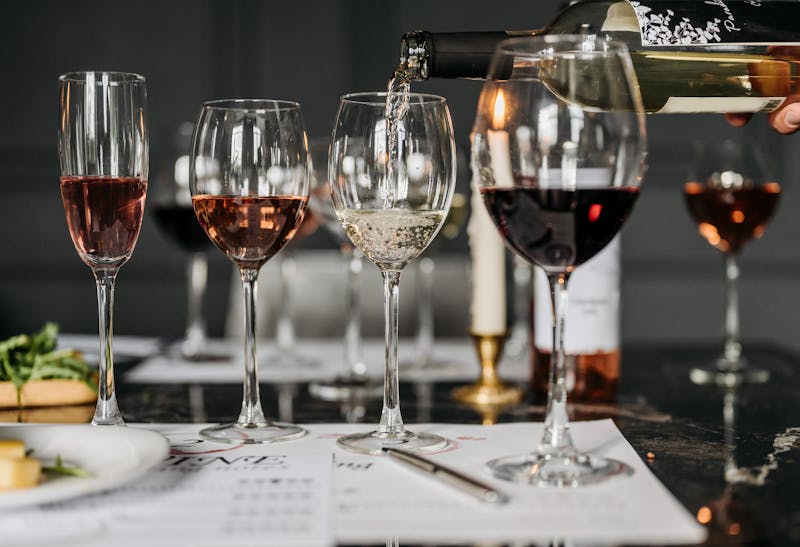
Some tours even conclude with a complimentary tasting of local wine, creating an introduction to Bordeaux’s wine culture that feels personal rather than commercial.
4. Interaction and Personal Advice
Travel guides cannot answer questions. Walking tours allow visitors to engage directly with someone who knows the city well. Whether you’re looking for transportation tips, recommendations for specific interests, advice on avoiding crowds, or suggestions for what to do after the tour, a local guide can tailor recommendations to your plans.
This personal interaction is one of the biggest advantages of joining Bordeaux Free Walking Tours. Beyond sharing the city’s history and landmarks, guides can offer practical insights into local restaurants, wine bars, neighbourhoods worth exploring, and seasonal events happening during your visit.
The ability to ask questions and receive personalized answers makes the experience far more flexible, useful, and memorable than simply following a guidebook or pre-planned itinerary.
Why Bordeaux Is Perfect for Walking Tours
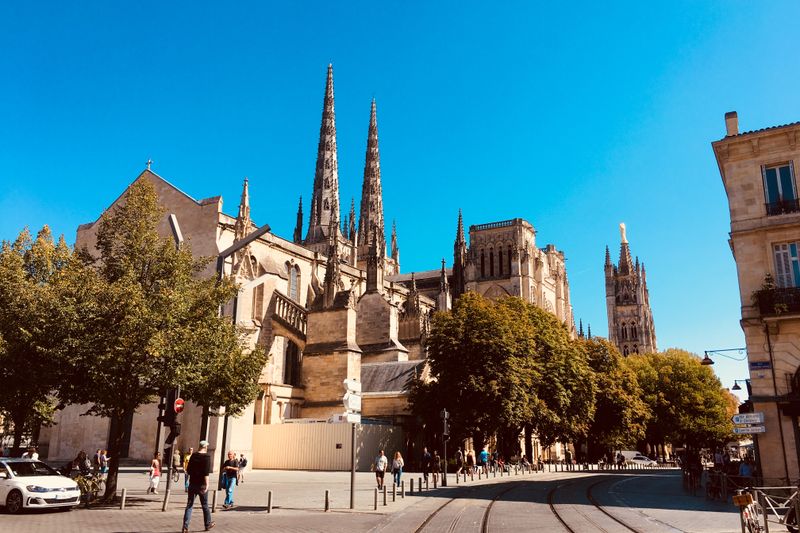
Bordeaux is unusually well suited to exploring on foot. Much of the historic centre is pedestrian-friendly, and many of the city’s most important landmarks are connected by attractive streets, public squares, and waterfront promenades. Walking allows visitors to notice details that would be missed when moving quickly between attractions.
The city also contains a remarkable mix of architectural styles. Medieval churches stand alongside elegant neoclassical facades, while modern cultural projects coexist with centuries-old streetscapes. This layering of history becomes much easier to appreciate when experienced at walking pace.
The Saint-Pierre district is a perfect example. While many tourists focus on the waterfront, this neighbourhood reveals a different side of Bordeaux through its narrow streets, hidden passages, historic buildings, and local cafés. It is often one of the highlights of a guided walking tour.
The Advantage of the Free Tour Model
Free walking tours operate on a pay-what-you-want basis. Rather than paying a fixed fee upfront, participants decide at the end what the experience was worth.
This model creates a strong incentive for guides to be knowledgeable, engaging, and genuinely helpful. Their success depends on delivering an experience that visitors value.
It also makes the tours accessible to a wide range of travellers, including students, families, solo visitors, and anyone exploring Bordeaux on a flexible budget.
Conclusion
Bordeaux is a city that reveals itself gradually. The famous landmarks are impressive, but the stories, hidden corners, local recommendations, and historical context are what make a visit truly memorable.
A free walking tour provides something that no guidebook can fully replicate: real human insight. From uncovering hidden streets and understanding centuries of history to discovering where locals eat and drink today, a knowledgeable guide helps transform Bordeaux from a collection of attractions into a city you genuinely understand.
Ellen is a busy mom of a 29-year-old son and 33-year-old daughter. She owns nine blogs and is addicted to social media. She believes that it doesn’t have to be difficult to lead a healthy life. She shares simple healthy living tips to show busy women how to lead fulfilling lives. If you’d like to work together, email info@confessionsofanover-workedmom.com to chat.
