
Last Updated on September 4, 2026 by Ellen Christian
A single restaurant menu can hide dozens of allergens inside sauces, marinades, batters, and garnishes. Every one of those components carries its own ingredient list, supplier record, and risk of change. Accuracy across hundreds of dishes therefore depends on a system rather than memory.
Posts may be sponsored. This post contains affiliate links, which means I will make a commission at no extra cost to you should you click through and make a purchase. As an Amazon Associate I earn from qualifying purchases.
Nutrition analysis and labelling software, for example, MenuSano, gives kitchens that system, with allergen data attached to each ingredient at the point of entry. Recipes then inherit those flags automatically, no matter how many dishes share a base sauce. Staff thus gain a single source for what appears on the menu, the label, and the ordering screen. This article will explain how restaurants keep allergen information accurate across diverse menus.
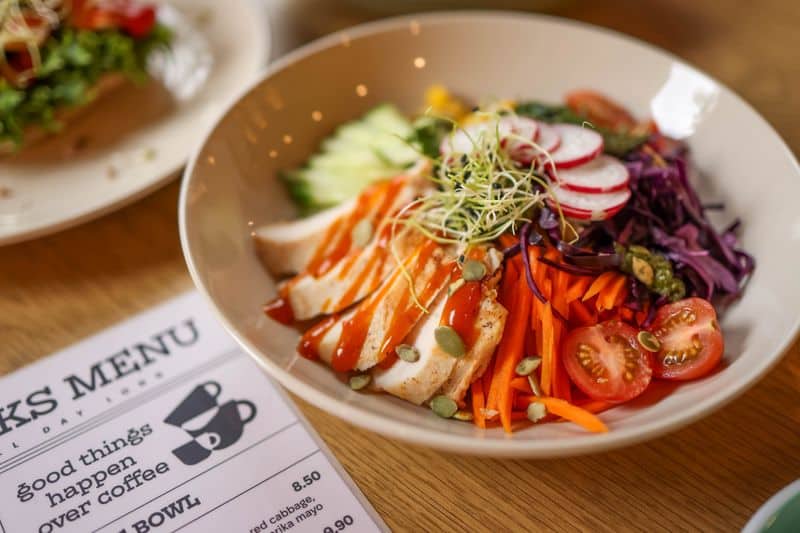
Menu Size Turns Small Errors Into Big Ones
Large menus multiply the places an allergen can hide. A single supplier swap on a bread roll can affect a dozen sandwiches, wraps, and platters at once. Recall records gathered across ten years showed undeclared allergens behind 27 percent of food recall events, second only to pathogen contamination. Digital records shrink that exposure because one ingredient entry feeds every dish built on it.
Ingredient-Level Detection Catches Hidden Sources
Allergen risk sits deepest in preparations made long before service.
Components That Hide Allergens:
- Stocks, gravies, and reduction bases built from shared ingredients.
- Flour, batter, and crumb coatings shared across several fryer items.
- Emulsified dressings that carry egg, mustard, or dairy.
- Spice blends with wheat or sesame listed far down the panel.
- House sauces reformulated for cost or seasonal supply.
Analysis tools scan each entry against priority allergen categories, so a hidden source surfaces during recipe creation rather than during service.
One Ingredient Change Updates Every Affected Dish
Supplier substitutions arrive with little warning, especially during shortages. A labelling platform stores the ingredient once, then links it to every recipe that calls for it. Amended allergen data flows through each connected dish in a single step, which removes the manual edit that gets missed most easily. Version history shows when the change happened, useful evidence during an inspection.
Seasonal menu rotations create the same pressure at larger scale. Recipes archived from a previous season keep their allergen data intact, ready for reuse without a fresh audit. Kitchens thus save hours that would otherwise go to rechecking familiar dishes.
Daily Kitchen Habits That Protect the Record
Accurate data depends on the people who enter it. Hence:
Checks Worth Repeating Each Shift:
- Confirm supplier specification sheets at every delivery.
- Record substitutions in the recipe file before service begins.
- Reprint labels after any reformulation, however minor.
- Assign one person per shift to approve recipe edits.
Consistent routines keep the digital record aligned with what the kitchen actually plates.
Clear Answers for Guests Who Ask
Guests with allergies want a specific answer, delivered quickly. Exported allergen statements give servers the same detail the kitchen holds, printed on menus or displayed on tablets. Front-of-house confidence rises when the reply no longer depends on a chef’s recollection. Trust earned at that table tends to bring the guest back. Written statements also protect the business when a question turns into a complaint. A dated record shows exactly which version of a dish reached the table.
Menus grow, suppliers shift, and recipes change throughout the year. Nutrition analysis and labelling software, such as, MenuSano, keeps allergen data linked to every dish that depends on it. Accuracy at that level protects guests with allergies and the kitchens that serve them.

Ellen is a busy mom of a 29-year-old son and 33-year-old daughter. She owns nine blogs and is addicted to social media. She believes that it doesn’t have to be difficult to lead a healthy life. She shares simple healthy living tips to show busy women how to lead fulfilling lives. If you’d like to work together, email info@confessionsofanover-workedmom.com to chat.
