Last Updated on September 16, 2026 by Ellen Christian
Staying active has become a major priority for many women, whether that means training for a marathon, attending daily fitness classes, or simply balancing busy schedules with regular exercise. Physical activity supports heart health, energy levels, bone strength, and mental wellness, but it can also increase the body’s nutritional demands.
Posts may be sponsored. This post contains affiliate links, which means I will make a commission at no extra cost to you should you click through and make a purchase. As an Amazon Associate I earn from qualifying purchases.
In many cases, active women may need more vitamins. Exercise, stress, and lifestyle habits can all influence how many nutrients the body uses each day, making proper nutrition especially important for women with active routines.
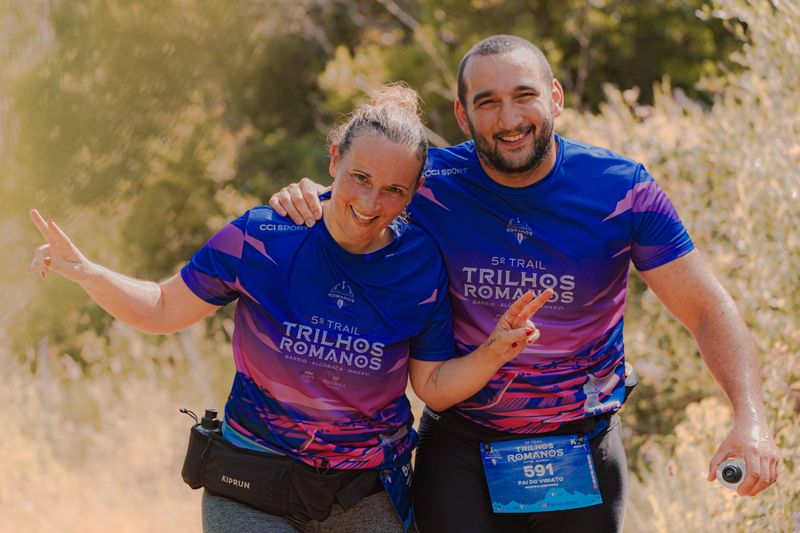
Why Do Women’s Vitamins Matter for Active Lifestyles?
For women who exercise regularly, nutrition becomes about more than simply eating enough calories.
The body depends on a steady supply of nutrients to repair muscles, maintain energy, and support recovery after physical activity. Women’s vitamins can play an important role here. While a balanced diet should always come first, supplements may help fill nutritional gaps that can develop from intense schedules or increased physical demands.
Women often have unique nutrient needs compared to men. Hormonal fluctuations, menstruation, pregnancy, and menopause can all affect vitamin and mineral requirements. Active women may also lose nutrients through sweat and physical exertion. Because of this, women’s vitamins are often formulated with nutrients that specifically support women’s health and energy production.
Exercise Can Increase Nutrient Demands
The more active the body becomes, the more nutrients it may require to function properly. Physical activity increases metabolism, which can lead to a greater need for vitamins and minerals involved in energy production and muscle recovery.
B vitamins are particularly important because they help convert food into usable energy. Women who engage in endurance sports or high-intensity exercise may also need more magnesium and potassium to support muscle function and hydration. Without adequate intake, fatigue and muscle cramps may become more common.
Iron is another nutrient many active women need to monitor carefully. Women already face a higher risk of iron deficiency due to menstruation, and intense exercise can increase iron loss even further. Low iron levels may contribute to reduced endurance, weakness, and difficulty recovering from workouts.
Bone Health Supports Long-Term Activity
Strong bones are critical for women who engage in regular physical activity, especially high-impact activities such as running, dance, or strength training. Calcium and vitamin D work together to maintain bone density and reduce the risk of fractures or stress injuries.
Unfortunately, many women do not get enough calcium through diet alone. Vitamin D deficiency is also common, especially for those who spend most of their time indoors or live in areas with limited sunlight during certain seasons. Taking vitamins that contain both nutrients may help support long-term bone health and athletic performance.

Recovery Relies on Balanced Nutrition
Recovery is one of the most overlooked parts of fitness. After exercise, the body works to repair muscle tissue, replenish energy stores, and reduce inflammation. Vitamins and minerals help support these processes behind the scenes.
Vitamin C helps the body produce collagen, which supports connective tissue and joint health. Antioxidants like vitamins E and A may also help combat oxidative stress created during intense physical activity. Magnesium supports muscle relaxation and can contribute to better sleep, which is another major factor in recovery.
Busy Schedules Can Create Nutritional Gaps
Modern lifestyles can make healthy eating difficult, even for women who prioritize fitness. Long work hours, family responsibilities, and packed schedules often lead to skipped meals or reliance on convenience foods that may not provide enough nutrients.
Supplements can help bridge small nutritional gaps when meals are inconsistent or dietary restrictions limit certain foods. Women following vegetarian, vegan, or low-calorie diets may have an even harder time meeting all their nutritional needs through food alone.
Still, supplements should not replace a healthy diet. Fruits, vegetables, whole grains, lean proteins, and healthy fats remain the foundation of a healthy diet. Vitamins work best when paired with balanced eating habits and consistent hydration.
Vitamin Needs Can Vary Between Women
Nutritional needs can vary significantly depending on age, activity level, and overall health. A woman training for endurance events may require different nutrients than someone focused on yoga or moderate exercise. Pregnancy, breastfeeding, and menopause can also affect vitamin requirements.
Because of this, there is no one-size-fits-all solution. Some women may benefit from additional iron or vitamin D, while others may need more omega-3 fatty acids or magnesium. Choosing vitamins designed for specific life stages or activity levels can provide targeted support.
It’s also important to avoid taking excessive amounts of certain vitamins. More is not always better, especially with fat-soluble vitamins like A, D, E, and K. Reading labels carefully and speaking with a healthcare professional can help women determine what nutrients they actually need.
Fueling Strength Beyond the Workout
Being active places extra demands on the body, and proper nutrition helps women stay energized, strong, and resilient over time. While not every woman requires supplements, many active individuals can benefit from paying closer attention to vitamin and mineral intake.
Ultimately, the goal is not perfection but consistency. Eating nutrient-rich foods, staying hydrated, getting enough rest, and supporting the body with the right vitamins can all contribute to better performance and long-term health. For active women, nutrition supports every part of a healthy, balanced life.
Ellen is a busy mom of a 29-year-old son and 33-year-old daughter. She owns nine blogs and is addicted to social media. She believes that it doesn’t have to be difficult to lead a healthy life. She shares simple healthy living tips to show busy women how to lead fulfilling lives. If you’d like to work together, email info@confessionsofanover-workedmom.com to chat.
