
Last Updated on January 22, 2026 by Ellen Christian
Living in Memphis means you’re used to weather that can change quickly. One week it’s humid and warm, and the next, temperatures drop enough to kick the heat on. During those cooler stretches, many homeowners notice something unexpected. Even though the house feels warm, the air inside feels dry, uncomfortable, and sometimes irritating.
Posts may be sponsored. This post contains affiliate links, which means I will make a commission at no extra cost to you should you click through and make a purchase. As an Amazon Associate I earn from qualifying purchases.

Why Your Home Still Feels Dry Even When the Heat Is On
You might deal with dry skin, itchy eyes, or a scratchy throat that doesn’t seem to go away. Static shocks become more common, and wood furniture or floors may even start to look stressed. It can be confusing, especially when your heating system is working exactly the way it should. After all, if the heat is on, shouldn’t your home feel comfortable?
The reality is that temperature and moisture are two different things. Heating systems are designed to warm the air, not add moisture to it. In a city like Memphis, where homes are often sealed tightly to keep outdoor air out, dry indoor air can become a real comfort issue during colder months. Understanding why this happens is the first step toward fixing it and creating a home that feels comfortable, not just warm.
Why Heating Alone Can’t Fix Dry Indoor Air
When cold air comes into your home from outside, it naturally holds very little moisture. Once that air is heated, its ability to hold moisture increases, but the actual moisture content stays the same. The result is warm air that still feels dry. Your HVAC system circulates that dry air throughout your home, spreading the discomfort from room to room.
This becomes more noticeable in winter because your heater runs more often, and windows and doors stay closed. In Memphis homes, this combination can cause humidity levels to drop lower than what feels comfortable.
In situations where dry air becomes a consistent issue, whole home humidifiers in Memphis, TN, can help restore balance by adding moisture directly into the air as it moves through your HVAC system. Instead of treating dryness room by room, this approach supports even humidity throughout the entire home, making the air feel more comfortable without overworking your heater.

How Dry Air Affects Everyday Comfort in Your Home
Dry indoor air affects more than just how the room feels when you walk in. It can impact your comfort throughout the day in subtle but noticeable ways. Dry skin and chapped lips are often the first signs. You may also notice your eyes feel irritated or your throat feels scratchy, especially in the morning or at night.
Sleep can suffer too. Dry air can irritate nasal passages, making it harder to breathe comfortably while resting. Even if the temperature is perfect, the lack of moisture can make the air feel harsh rather than soothing.
Over time, this discomfort adds up. Your home may feel less inviting, even though it’s warm. That’s because comfort isn’t just about heat. It’s about how the air feels when you breathe it in.
Common Signs Your Home’s Air Is Too Dry
There are several signs that point to low humidity levels indoors. Static electricity is a big one. If you’re getting shocked every time you touch a doorknob or flip a light switch, dry air is often the cause.
Wood furniture, floors, or trim may start to crack or separate slightly. Dry air pulls moisture out of wood, causing it to shrink. You may also notice frequent nose irritation or a dry cough that seems worse when you’re at home.
These signs don’t always appear all at once, but when you notice several of them together, it’s usually a clear signal that your indoor air needs more moisture.

Why Dry Air Is More Noticeable During Winter
Dry air tends to stand out more during winter because of how outdoor air behaves in colder temperatures. Cold air holds less moisture than warm air. When that already-dry air is brought inside and heated, humidity levels drop even further.
In Memphis, winter may not last as long as in colder regions, but those cooler periods still make an impact. Homes are sealed tightly to keep heat in, which limits the amount of fresh, moisture-balanced air entering the space. Longer heating cycles only make the dryness more noticeable.
The result is a home that feels warm but uncomfortable, leaving you wondering why the heat doesn’t seem to be doing its job.
The Limits of Portable Humidifiers
Many homeowners try to solve dry air issues with small, portable humidifiers. While these devices can help in a single room, they often fall short for whole-home comfort. They require frequent refilling, constant cleaning, and careful placement to avoid excess moisture in one area.
Portable units also don’t address dryness evenly. One room may feel better, while the rest of the house stays dry. This can lead to inconsistent comfort and extra effort without long-term results.
For homes dealing with ongoing dry air, these temporary fixes can become frustrating rather than helpful.
RELATED: Home HVAC Maintenance
How Balanced Humidity Supports Your HVAC System
Proper humidity doesn’t just improve comfort. It helps your heating system work more efficiently. Moist air feels warmer than dry air at the same temperature. When humidity levels are balanced, you may find you don’t need to turn the thermostat up as high to feel comfortable.
This reduces strain on your HVAC system and can help maintain more consistent temperatures throughout the home. Instead of fighting dryness with extra heat, balanced humidity allows your system to do its job more effectively.
It’s a simple shift that can make a noticeable difference in how your home feels during cooler months.
Simple Steps You Can Take to Reduce Dryness
There are a few everyday habits that can help reduce dry indoor air. Keeping track of indoor humidity levels gives you a better sense of when the air is too dry. Using exhaust fans when cooking or showering can help manage moisture balance.
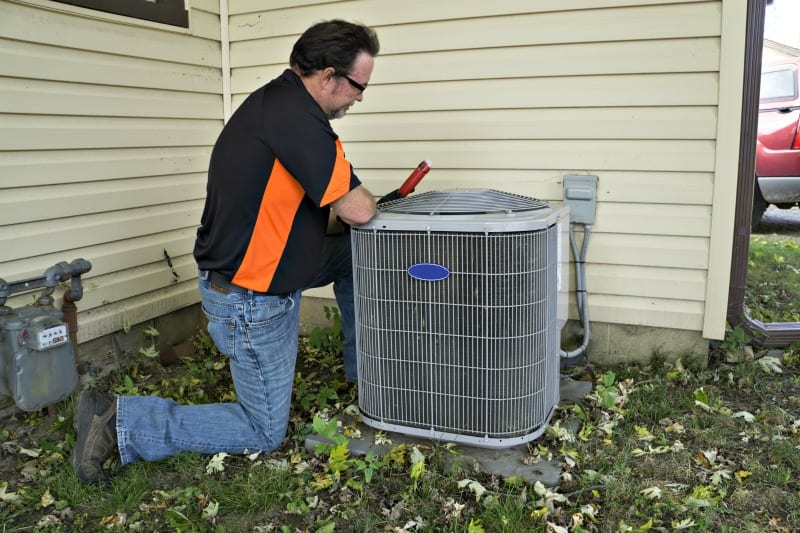
Regular HVAC maintenance, including changing filters, supports better airflow and air quality. While these steps won’t solve severe dryness on their own, they help create a healthier indoor environment.
Paying attention to how your home feels from season to season helps you catch dryness early, before it becomes a constant comfort issue.
If your home feels dry even when the heat is on, you’re not alone. It’s a common issue, especially during colder months when heating systems run more often. The key is understanding that warmth and moisture work together to create true comfort.
By addressing dry air and focusing on balanced humidity, you can make your home feel better without constantly adjusting the thermostat. When temperature and moisture are in sync, your home feels more comfortable, welcoming, and easier to enjoy all season long.

Ellen is a busy mom of a 29-year-old son and 33-year-old daughter. She owns nine blogs and is addicted to social media. She believes that it doesn’t have to be difficult to lead a healthy life. She shares simple healthy living tips to show busy women how to lead fulfilling lives. If you’d like to work together, email info@confessionsofanover-workedmom.com to chat.
