
Last Updated on March 30, 2026 by Ellen Christian
Walking into a space that feels light, open, and warm is one of the simplest pleasures a home can offer. It lifts your mood, makes the space feel larger, and creates an atmosphere where people genuinely want to spend time.
Posts may be sponsored. This post contains affiliate links, which means I will make a commission at no extra cost to you should you click through and make a purchase. As an Amazon Associate I earn from qualifying purchases.

Whether you live in a compact apartment or a spacious house in Pittsburgh, Pennsylvania, brightness and warmth are not luxuries reserved for fancy renovations. With the right changes, even the most dim and unwelcoming space can be transformed into something that feels alive. Homeowners everywhere are discovering that small, thoughtful updates can make a world of difference.
Start With Your Windows
Most homes lose a significant amount of natural light simply because their windows are no longer doing their job properly. Older frames warp over time, glass becomes cloudy, and seals break down, all of which chip away at how much light actually enters a room. Weather extremes accelerate this process considerably, battering windows season after season until the damage becomes impossible to ignore.
For homeowners in Pittsburgh replacement windows are a necessary upgrade given how relentlessly the climate cycles between freezing winters and humid summers. Once your windows are in good shape, keep them working for you by swapping heavy curtains for light, sheer fabrics that let sunlight filter through freely. Place mirrors on walls opposite windows so light reflects across the room rather than getting absorbed. Clean your glass regularly inside and out, because even a thin film of dust can dull the light coming through more than you might expect.

Rethink Your Wall Colors
Paint is one of the most affordable and impactful changes you can make to a room. Dark or heavily saturated wall colors absorb light and can make a space feel closed in, even when the room itself is a decent size. Lighter shades such as soft whites, warm creams, pale grays, and muted pastels reflect light and create a sense of openness. If you are not ready to commit to an entirely white room, consider using a lighter shade on just one or two walls. An accent wall in a soft, warm tone can add character without darkening the overall feel of the space.
Ceilings are often overlooked, but painting them a crisp, bright white can dramatically lift the perceived height of a room and make everything feel more airy. The finish you choose matters just as much as the color itself, as matte finishes tend to absorb light while satin and eggshell finishes reflect it softly back into the room. Even a single fresh coat in the right shade can make a space feel cleaner, newer, and noticeably more open without any structural changes whatsoever.
RELATED: How the Right Windows Can Make Your Home Feel Brighter
Layer Your Lighting Thoughtfully
Relying on a single overhead light source is one of the most common mistakes people make when trying to brighten a room. A single fixture casting light from above creates shadows and uneven illumination that can actually make a space feel less inviting. Instead, think about lighting in layers.
Mixing overhead lighting with floor lamps, table lamps, and under shelf lighting creates a warm, balanced glow that fills every corner of the room. Warmer light tones tend to feel more welcoming and comfortable, while cooler tones work well in spaces where you need focus and clarity. Dimmer switches are a simple addition that give you control over the mood of any room at any time of day.
Declutter and Create Breathing Room
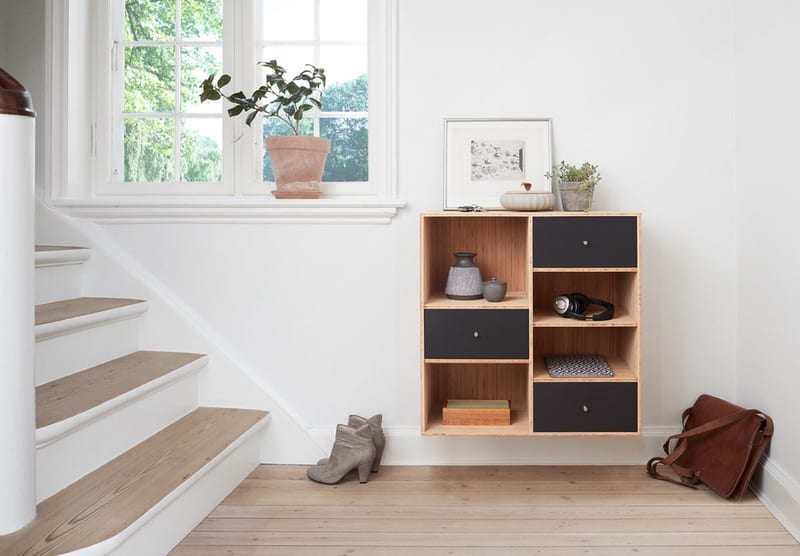
A cluttered home, no matter how well lit, will never feel truly inviting. Clutter creates visual noise that tires the eye and makes spaces feel smaller and more chaotic. The goal is not to strip your home of personality but to be intentional about what you display and where.
Go through each room and identify items that are taking up space without adding value or meaning. Clear surfaces, open shelving with breathing room, and well-organized storage all contribute to a sense of calm and order. When your home has space to breathe, light moves through it more freely, and the entire atmosphere shifts.
Bring in Greenery and Natural Textures
Nothing makes a home feel more alive quite like plants. They bring color, texture, and a natural energy to a space that is difficult to achieve any other way.
Even a few small plants placed on windowsills or shelves can completely change the energy of a room. If you do not have a green thumb, there are plenty of low-maintenance options that thrive with minimal care.
Beyond plants, incorporating natural textures through materials like wood, linen, cotton, and woven fabrics adds warmth and depth to your interiors. These elements create a tactile richness that makes a space feel considered and comfortable rather than sterile.

Choose Furniture That Fits the Space
Oversized furniture in a small room is one of the fastest ways to make a space feel cramped and dark. When pieces are too large for the room, they block sightlines, restrict movement, and weigh the space down visually.
Choosing furniture that is appropriately scaled to the room allows light and air to circulate more freely. Pieces with legs, such as sofas and chairs raised off the floor, create a sense of visual lightness that contributes to an open feeling. Arranging furniture away from walls and creating clear pathways through a room also helps the space feel more intentional and breathable.
Pay Attention to Floors and Ceilings
Floors and ceilings are often treated as afterthoughts, but they play a significant role in how bright and welcoming a home feels. Light colored or natural wood flooring reflects light upward and makes rooms feel larger. If you have dark flooring, a large, light colored rug can soften the effect and brighten the space considerably.
On the ceiling, removing outdated textured finishes and applying a smooth, bright coat of paint can refresh an entire room without touching anything else. These changes are not dramatic on their own, but combined with everything else covered here, they add up to a home that genuinely feels brighter, warmer, and more inviting every single day.

Ellen is a busy mom of a 29-year-old son and 33-year-old daughter. She owns nine blogs and is addicted to social media. She believes that it doesn’t have to be difficult to lead a healthy life. She shares simple healthy living tips to show busy women how to lead fulfilling lives. If you’d like to work together, email info@confessionsofanover-workedmom.com to chat.
