
Last Updated on November 11, 2026 by Ellen Christian
What Is Traditional Thai Massage and How Does It Work?
Posts may be sponsored. This post contains affiliate links, which means I will make a commission at no extra cost to you should you click through and make a purchase. As an Amazon Associate I earn from qualifying purchases.
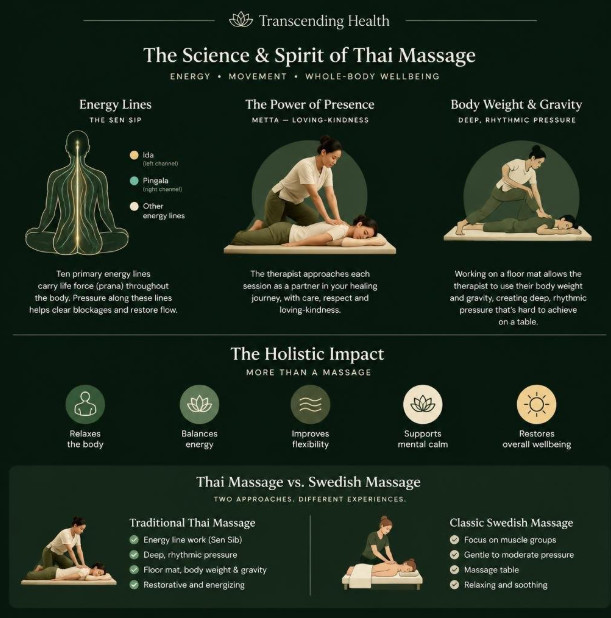
At the heart of traditional Thai massage lies the concept of Sen Sib, or the ten primary energy lines that traverse the body. These pathways are believed to carry life force, or prana. Practitioners traditionally apply pressure along these pathways with the goal of encouraging balance, relaxation, and a sense of physical well-being.
The philosophy of metta, or “loving-kindness,” is central to the practice. The therapist approaches the session not as a technician, but as a partner in the client’s healing journey. Because the session takes place on a padded floor mat rather than an elevated table, the therapist can utilize their own body weight and gravity to apply deep, rhythmic pressure. This biomechanical leverage allows for a level of compressive force that is difficult to achieve in passive, table-based massage.
Key Differences Between Thai Massage and Western Modalities
To understand why this practice feels so distinct, it is helpful to contrast it with the Western styles many of us are accustomed to.
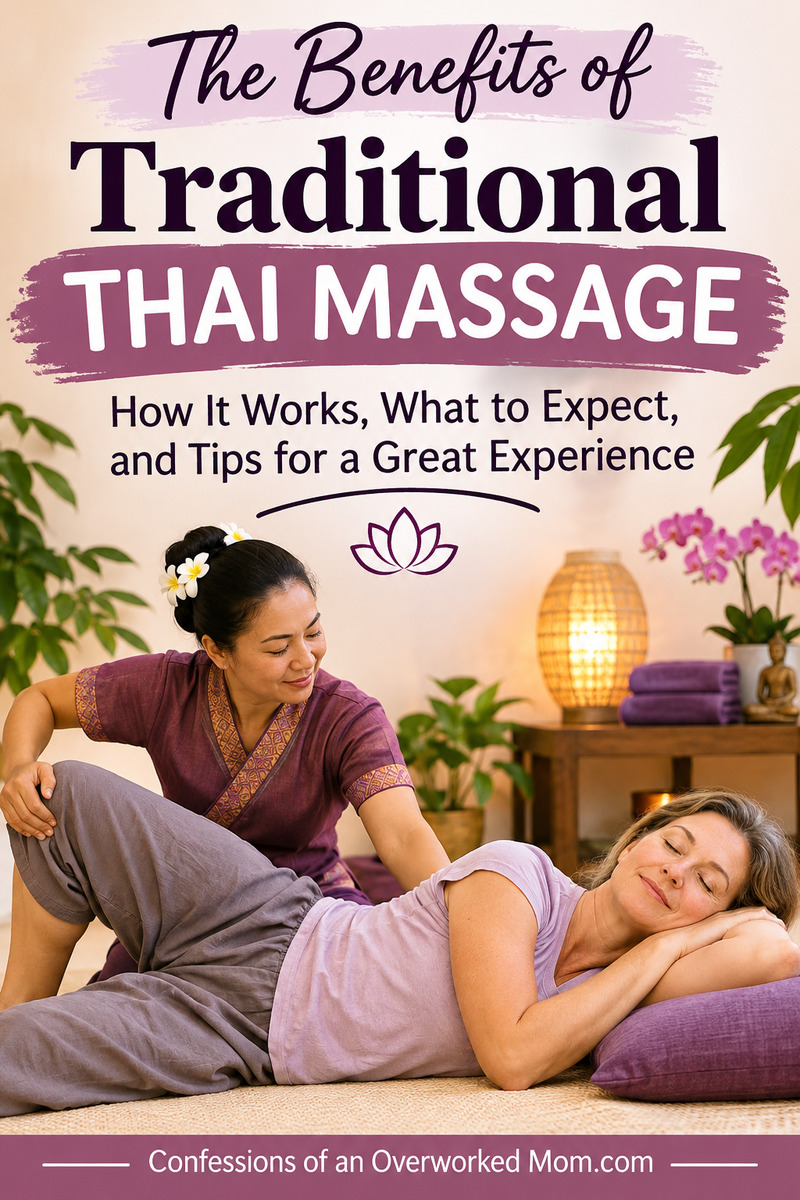
While Swedish massage focuses on passive kneading to promote relaxation and blood flow, Thai massage is an active, collaborative process. You remain fully clothed in loose, comfortable attire, which allows the therapist to manipulate your limbs through a full range of motion. There is no oil involved; instead, the focus is on traction, stretching, and the application of pressure to specific trigger points. This approach turns the session into a form of “assisted yoga,” where your muscles are lengthened and your joints are mobilized without you having to exert any physical effort.
According to the Cleveland Clinic’s guide to Thai massage, this traditional practice combines assisted stretching, yoga-like movements, and rhythmic pressure, with potential benefits that include improved flexibility and relaxation.
Thai massage is traditionally performed on a padded floor mat, which provides a supportive surface for assisted stretching and movement. If you’re curious about the equipment used, you can explore Thai massage mats on Amazon.
Evidence-Based Physical Thai Massage Benefits
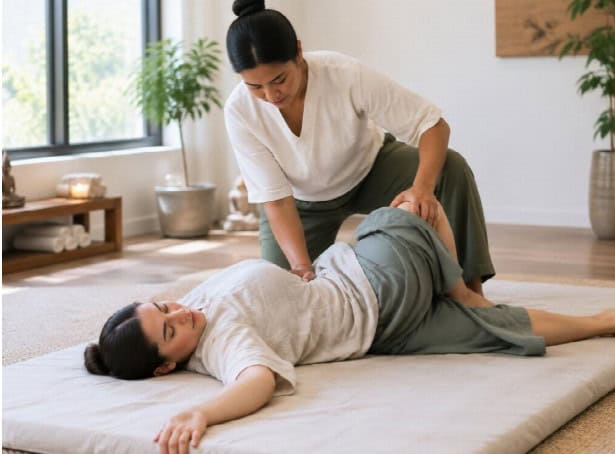
The growing body of clinical research suggests that the benefits of this practice extend far beyond ancient tradition. Thai massage combines gentle pressure and assisted stretching to help ease muscle tension, encourage relaxation, and support comfortable movement. For those interested in a deeper dive into the specific clinical outcomes, you can read this comprehensive resource on Thai massage benefits that offers further insights into how these techniques modulate the body’s response to chronic strain.
Alleviating Back Discomfort and Joint Stiffness
Thai massage incorporates targeted pressure and assisted stretching, particularly around areas that commonly feel tight, such as the back, shoulders, and legs. Some people find these techniques helpful for easing everyday muscle tension and feeling more comfortable during normal activities.
Reducing Neck Tension and Head Discomfort
If you frequently experience tension built up in the neck or upper back, Thai massage offers a specialized approach. Practitioners utilize “court-type” techniques, which involve precise, localized pressure on the suboccipital muscles at the base of the skull. By releasing tight spots in the shoulder girdle and neck, the therapy targets key areas where tension accumulates. Many clients report that this release provides lingering comfort and lightness in the head and neck area for days following a session.
Enhancing Flexibility, Mobility, and Athletic Recovery
Thai massage can appeal to active individuals who enjoy stretching and hands-on bodywork as part of their wellness routine. The combination of assisted stretches and rhythmic pressure encourages gentle movement through a comfortable range of motion.
After exercise or a physically demanding day, some people find a Thai massage session relaxing and appreciate the opportunity to focus on areas that feel particularly tight.
Autonomic and Systemic Health Impacts of Thai Bodywork
The rhythmic movements and structured approach of Thai massage may create an environment that encourages relaxation. The experience combines physical movement with periods of stillness, giving participants an opportunity to unwind.
Neurological Thai Massage Benefits for Stress Relief
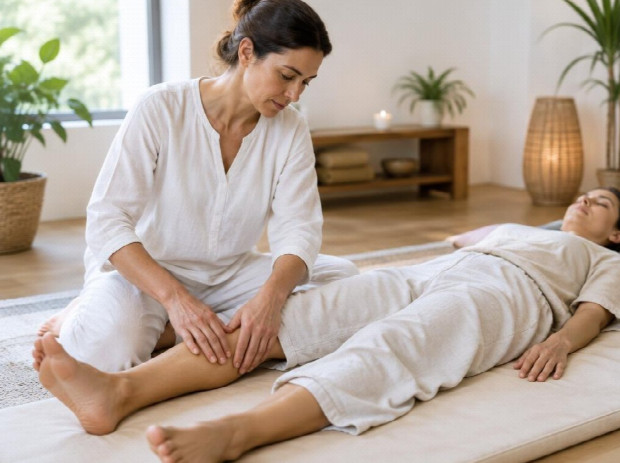
Thai massage combines gentle pressure, stretching, and rhythmic movements to create a calming experience that encourages relaxation. Many people find the experience calming, making it a soothing addition to a general wellness routine.
Energizing the Body and Supporting Digestive Health
Unlike some massage styles that emphasize stillness, Thai massage incorporates assisted stretches and rhythmic movements throughout the session. Some people describe the experience as refreshing or energizing rather than sleepy or deeply sedating.
What to Expect and Safety Considerations
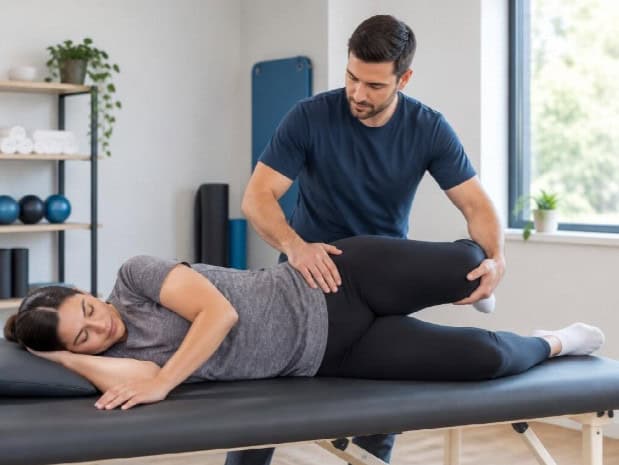
A typical Thai massage session is a 90-minute experience designed to address the entire body. You will be asked to wear loose-fitting, comfortable clothing—think gym shorts and a t-shirt—so that you can move freely during the assisted stretches.
Client Preparation Steps:
- Communicate: Inform your therapist of any injuries, sensitive areas, or medical conditions before the session begins.
- Hydrate: Drink plenty of water before and after your session to support muscle recovery.
- Feedback: If a stretch or pressure point feels too intense, communicate this immediately. The therapist can easily adjust their leverage to suit your comfort level.
- Dress: Choose breathable, flexible fabrics that allow for a full range of motion.
Who Should Avoid or Modify Thai Massage?
Because Thai massage involves deep, dynamic movement, it is not suitable for everyone. You should consult with a physician before booking if you have:
- Uncontrolled hypertension or cardiovascular disease.
- Osteoporosis or bone fragility.
- A history of deep vein thrombosis (DVT) or blood clotting disorders.
- Recent surgical wounds or active infections.
- Pregnancy (unless a practitioner is specifically certified in prenatal modifications).
Making Thai Massage Part of Your Wellness Routine
If you enjoy Thai massage, you may choose to incorporate occasional sessions into your general self-care routine. Gentle stretching, comfortable movement, and attention to posture can also be useful everyday wellness habits.
Taking time to relax is just one part of a balanced wellness routine. Learning how to define self-care can help you choose simple habits that fit your lifestyle and personal needs.
Frequently Asked Questions About Thai Massage
Is Thai massage painful or uncomfortable?
While the pressure can be firm, it should never be “painful.” The goal is to reach your pressure pain threshold—the point where you feel a deep, therapeutic release without crossing into sharp or distressing pain. Always maintain an open dialogue with your practitioner.
What should you wear to a Thai massage?
Wear loose, comfortable clothing that you would wear to a yoga class. Avoid restrictive fabrics like denim or heavy sweaters, as these will hinder the therapist’s ability to move your limbs through the necessary stretches.
How long do the therapeutic benefits of Thai massage last?
The duration of benefits varies based on the individual and the condition being treated.
Conclusion
Traditional Thai massage offers a distinctive approach to bodywork that combines assisted stretching, rhythmic pressure, and centuries-old wellness traditions. For those who enjoy hands-on relaxation techniques, it can be an interesting addition to a balanced self-care routine. Whether you are looking to recover from a tough workout or simply want to rebalance your body and mind, the practice of Nuad Bo-rarn provides an active, engaging, and deeply restorative experience. As you consider your next step in your wellness journey, the best results come from listening to your body and choosing the modality that supports your unique, long-term health goals.

Ellen is a busy mom of a 29-year-old son and 33-year-old daughter. She owns nine blogs and is addicted to social media. She believes that it doesn’t have to be difficult to lead a healthy life. She shares simple healthy living tips to show busy women how to lead fulfilling lives. If you’d like to work together, email info@confessionsofanover-workedmom.com to chat.
