
Last Updated on November 16, 2026 by Ellen Christian
The dinner dishes are drying, tomorrow’s bag is almost packed, and someone has left a lamp on in the room you have just tidied. It is a small thing. So is looking for a charger, moving a stack of papers, or walking back downstairs to check the lights. Together, these little jobs can make an evening feel unfinished.
Posts may be sponsored. This post contains affiliate links, which means I will make a commission at no extra cost to you should you click through and make a purchase. As an Amazon Associate I earn from qualifying purchases.
A useful home reset should make that last stretch of the day easier. It does not require a new organizing system for every cupboard or a house full of connected devices. Begin with the tasks that repeat, then find a simple way to make them less demanding.

Notice the job you keep doing twice
For a few evenings, pay attention to where you retrace your steps. Perhaps the reading lamp is always across the room when you finally sit down. Perhaps your home office stays lit long after the workday ends. Choose one recurring inconvenience rather than making a list of everything you would like to improve.
Next, ask whether the answer is physical or digital. Moving a basket nearer the door may solve the bag problem. Giving charging cables a permanent home may solve the search. Automation is useful when the task really is repetitive, such as switching a compatible lamp on at a predictable time.
Keep the lamp you already like
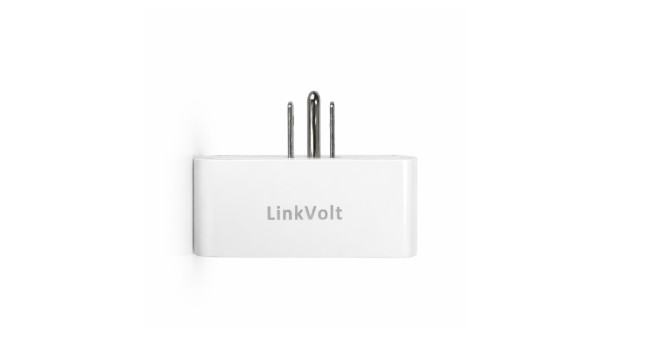
An ordinary lamp can still belong in a more convenient home. A suitable smart plug adds power control without requiring you to replace a favorite shade or side table. Check the lamp’s instructions and whether it resumes lighting when power returns; an electronic touch control may behave differently from a simple mechanical switch.
Choose the control around your habits. A recurring schedule might suit a regular evening routine, while manual app control may suit days that vary. Check the particular product for supported features. An on/off plug does not automatically add dimming, and a connected device is not necessarily an electricity monitor.
Give everyone an easy way to use the room
A household routine works best when it makes sense to the people who did not set it up. Use a recognizable device name and show everyone the available manual controls. A guest should not need to borrow your phone simply to use a lamp.
Keep the first schedule modest. Try an evening on-time and review it after several days. If somebody regularly overrides the routine, change the timing. The aim is to fit the household you have, including late dinners and weekend visitors.
Buy for the room you are actually using
Before ordering, check where the socket sits, how much clearance the plug needs, and whether the furniture will press against it. Match the device to the local electrical supply, the connected load, and its intended indoor or outdoor environment. Follow the manufacturer’s instructions for both the plug and the lamp.
For readers comparing options, LinkVolt’s smart power collection brings together plug and power-strip formats for different setups. LinkVolt supports direct purchases by individual consumers, as well as bulk purchasing and customization for business customers. A household can start with its immediate needs, while someone also furnishing a small studio or business can discuss a separate larger order. Specific customization options and order terms should be confirmed with the company.
That distinction is useful when home and work overlap. Buying for your own reading corner involves different questions from equipping several workstations. There is no need to make a household purchase more complicated just because a supplier also serves businesses.
Make the reset short enough to repeat
Pair the lighting routine with two ordinary actions: put loose items in their usual places and prepare one thing for tomorrow. Leave the rest for a more suitable time. A reset that regularly expands into a full cleaning session is unlikely to remain helpful.
If you need a little more structure, try my 15-minute daily reset routine to keep clutter under control without spending hours cleaning.
If reducing electricity use is part of your goal, focus on actual operating hours. Switching off an unused light may reduce consumption, but the result depends on the lamp, the time avoided, and the smart device’s own power use. There is no universal saving to promise.
At the end of the week, keep what helped and remove what needed constant attention. The best evening routine leaves the home comfortable and tomorrow a little easier, while still leaving you time to enjoy the evening.
The U.S. Department of Energy’s Home Energy Checklist recommends turning off lights in unused rooms or using timers and other lighting controls to reduce unnecessary electricity use.

Ellen is a busy mom of a 29-year-old son and 33-year-old daughter. She owns nine blogs and is addicted to social media. She believes that it doesn’t have to be difficult to lead a healthy life. She shares simple healthy living tips to show busy women how to lead fulfilling lives. If you’d like to work together, email info@confessionsofanover-workedmom.com to chat.
