
Last Updated on September 6, 2026 by Ellen Christian
A backyard should be a place where the family can relax, eat outside and enjoy a little fresh air at the end of a busy day. But once the sun goes down, dark stairs, poorly marked pathways and shadowy corners can make the space difficult to use. The good news is that improving outdoor lighting does not have to mean installing dozens of bright fixtures or beginning an overwhelming renovation.
Posts may be sponsored. This post contains affiliate links, which means I will make a commission at no extra cost to you should you click through and make a purchase. As an Amazon Associate I earn from qualifying purchases.
A few carefully selected lights can make a deck safer, create a welcoming atmosphere and help the family enjoy the yard for more of the year. The key is to light the places that matter while leaving enough darkness for the space to feel peaceful. Here are several practical ways to plan an outdoor lighting update that works for everyday family life.
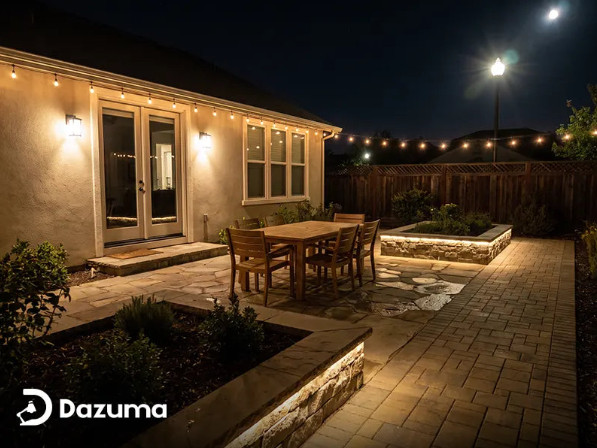
Begin With the Way Your Family Uses the Yard
Before buying any lights, think about what actually happens in the backyard. Perhaps the children walk across the deck to reach the lawn, the dog uses a side path after dark or the family eats dinner on the patio during warm weather. Make a list of the routes and activity areas that need better visibility.
Walk through the yard after sunset and look for changes in elevation, uneven paving, low branches and objects that are easy to miss. Check the stairs, gates, door handles and the area around the grill. Starting with these practical needs keeps the project manageable and prevents money from being spent on lighting parts of the yard that nobody uses.
Create Small Lighting Zones
It is usually easier to divide the backyard into zones than to illuminate everything at once. The back door may need a wall fixture, stairs require low-level guidance and an outdoor table benefits from soft ambient light. A garden bed or favorite tree can receive a small amount of accent lighting.
Each zone should have a clear job. Lights around doors and steps support safety, while lighting near seating areas creates comfort. Decorative lights add personality but should not compete with the functional fixtures. Separating these roles produces a more balanced result and makes it easier to add improvements gradually.
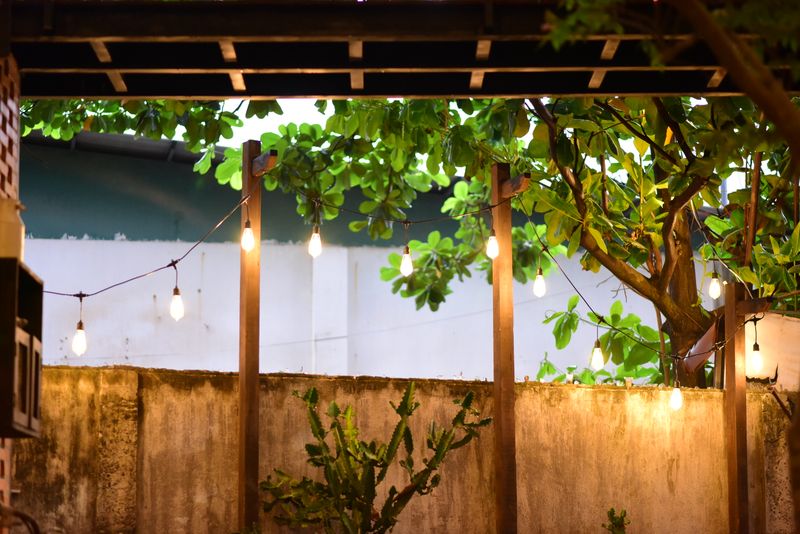
Use Linear Light in Awkward Spaces
Some outdoor locations are difficult to illuminate with a conventional lamp. The underside of a stair tread, the edge of a raised deck or the back of a built-in bench may not have enough room for a bulky fixture. Flexible or linear lighting can fit into these areas and create a continuous line of gentle illumination.
Dazuma’s collection of Outdoor Led Strip Lights provides examples of linear options that can be considered for steps, decks and architectural details. When comparing products, check whether the light is designed for the intended outdoor location, how it is powered and whether additional channels, connectors or controls are required.
Strip lighting looks best when the light source itself is concealed. Placing it beneath an edge allows the glow to reach the walking surface without shining directly into anyone’s eyes. This creates a cleaner appearance and reduces distracting glare.
Make Stairs and Deck Edges Easier to See
Outdoor stairs can become difficult to judge at night, especially when the steps and surrounding deck are made from the same material. Lighting should reveal the edge of each tread without creating bright spots that make the areas between them appear darker.
Small step lights, concealed linear lighting or low fixtures positioned nearby can provide visual guidance. Pay particular attention to the first and last step, since these changes in level are often the easiest to overlook. Railings should also remain visible enough for family members and guests to locate them quickly.
Lights and cables must not create new tripping hazards. Keep electrical components away from normal foot traffic, and make sure nothing projects into a narrow walkway.
Choose Products for Real Outdoor Conditions
A covered porch and an exposed garden wall do not experience the same conditions. Even beneath a roof, a fixture may encounter humidity, dust and wind-driven moisture. Lights installed on decks, stairs or retaining walls can receive direct rain, snow and strong sunlight.
Confirm that every product is suitable for its exact installation environment. Outdoor ratings, compatible power supplies and protected connections all matter. Materials should also suit the climate. Sun can affect some plastics and finishes, while moisture and salty air can accelerate corrosion.
Do not assume that a product is appropriate for outdoor use simply because it appears in a garden photograph. Read the technical information and installation instructions before purchasing it.
Keep the Light Warm and Comfortable
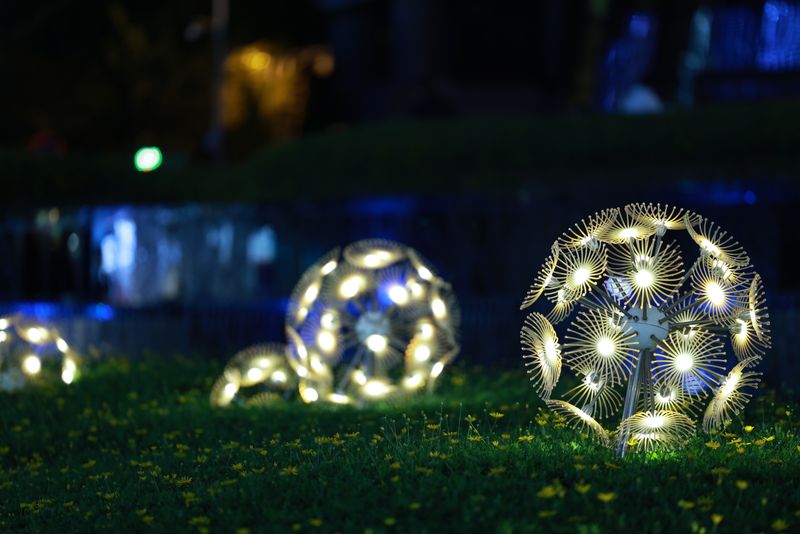
Very bright, cool-colored light can make a backyard feel more like a parking area than a place to unwind. Warm white light usually creates a softer atmosphere around wooden decks, plants and outdoor furniture. It can also coordinate more naturally with the light coming from inside the home.
Consistency is important. If the porch light is warm but the steps and patio are illuminated in noticeably cooler colors, the yard may feel disconnected. Check the color information for existing fixtures before adding new ones.
Brightness should be based on the activity. Steps need enough light for safe movement, but a bench or flower bed may need only a subtle glow. If possible, select dimmable fixtures or install compatible controls so the lighting can be adjusted for different occasions.
Or, change it up for the holidays. You can use smart lighting for holiday decorating.
Avoid Glare and Unwanted Light
More brightness does not always improve visibility. An exposed light shining directly toward the eyes can make it harder to see the darker area beyond it. This is particularly uncomfortable near a table, lounge chair or window.
Direct the light toward the surface where it is needed. Shielded fixtures and concealed light sources can help keep illumination on steps, paths and work areas. Check the result from inside the house as well. A fixture that appears harmless from the patio might shine through a bedroom window throughout the night.
It is also considerate to view the installation from neighboring properties. Keeping light within the yard helps preserve a peaceful nighttime environment for everyone.
Add Controls That Reduce Daily Work
Busy families rarely want another household system that requires constant attention. Timers, dusk-to-dawn sensors and smart controls can turn lights on when they are useful and switch them off later in the evening.
Motion sensors may work well near gates, service paths and storage areas that are used only occasionally. However, sensitivity and direction should be adjusted so moving branches or small animals do not activate the lights repeatedly.
Keep the controls simple enough that every family member can operate them. An automatic schedule is helpful, but a clearly accessible manual switch is still valuable when the family is entertaining or completing an outdoor task after the usual shutoff time.
Think About Children, Pets and Everyday Messes
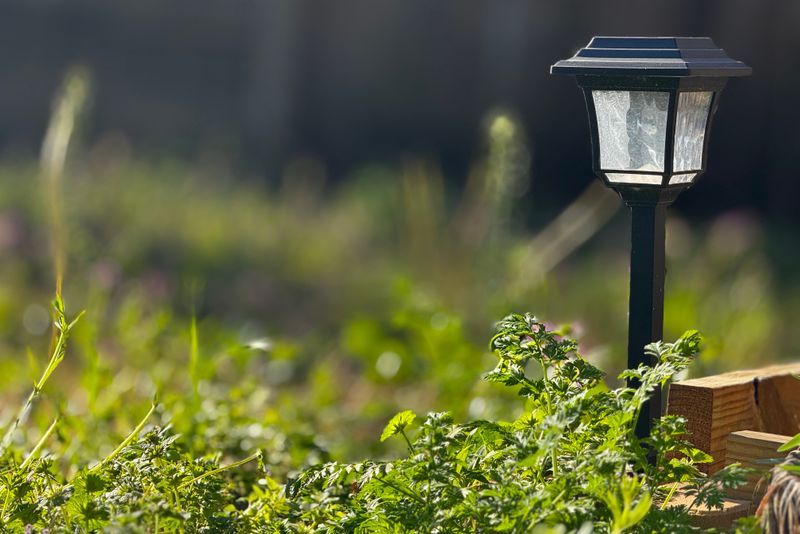
Family yards are active spaces. Balls roll beneath furniture, pets explore garden beds and children may move objects without returning them to the same place. Lighting equipment should be positioned with real household routines in mind.
Avoid placing delicate fixtures where they are likely to be hit by toys, lawn equipment or excited pets. Cables should be secured and protected, and low fixtures should remain visible during daytime play. Around eating areas, choose surfaces that can be cleaned without complicated disassembly.
Lighting can improve awareness, but it does not replace railings, secure gates or appropriate supervision. Treat it as one part of a safer outdoor setup.
RELATED: Freshen up your home exterior with these ideas
Plan the Installation Before Ordering
Measure the proposed location and determine where the power will come from before selecting a lighting system. For strip lighting, consider the total required length, corners, connection points and the position of the power supply. Cutting or joining rules vary between products, so those details should be confirmed in advance.
Outdoor electrical installations must follow applicable local requirements. A qualified professional can determine whether existing circuits, outlets and controls are appropriate, particularly when hardwired components or new electrical connections are involved.
If the project feels too large, complete one zone first. Updating the deck stairs or patio edge provides an opportunity to evaluate the brightness and color before repeating the approach elsewhere.
Make Maintenance Part of the Routine
Outdoor lights collect pollen, dirt, insects and fallen leaves. Clean the visible surfaces periodically and inspect the installation after severe weather. Check for loose mounting hardware, damaged cables, moisture around connections or plants growing across the light.
Seasonal changes may also require adjustments. A light that works well in spring can be blocked by dense summer foliage. Snow may cover low fixtures during winter, while fallen leaves can hide lights in autumn. A quick inspection several times a year keeps the system useful and attractive.
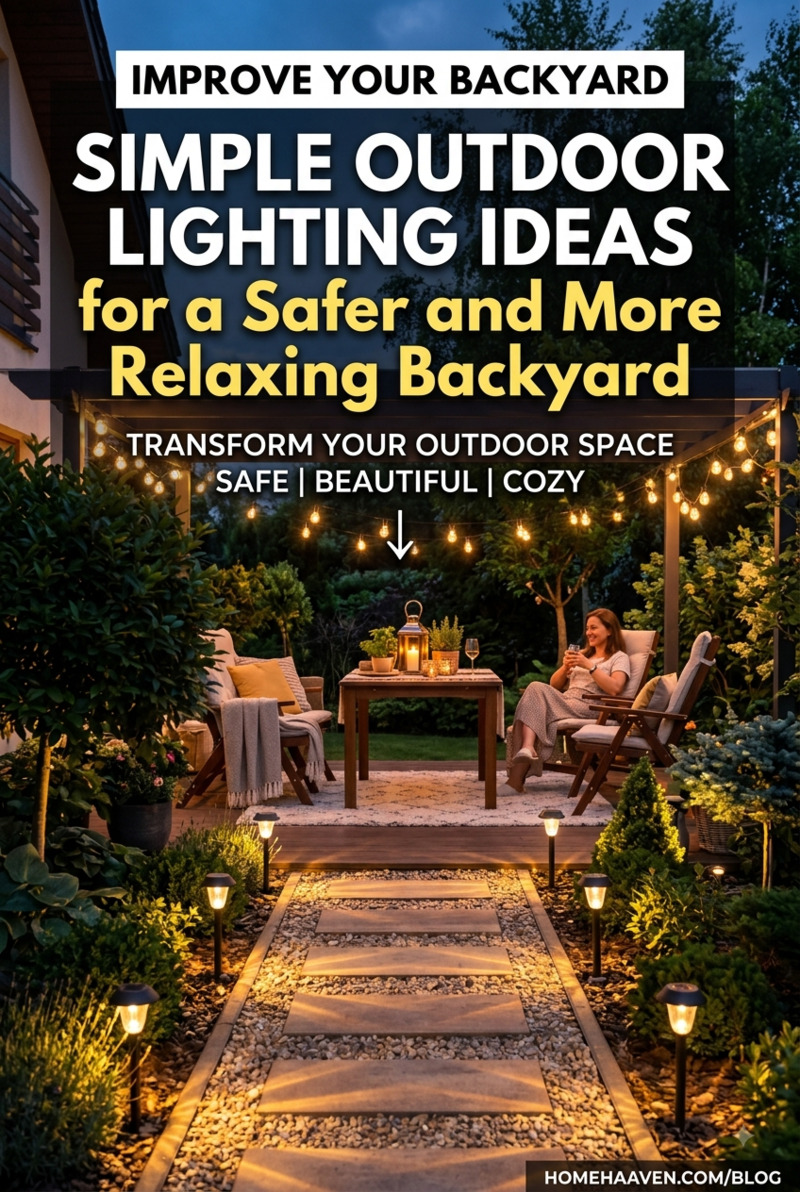
Create a Backyard That Works After Sunset
Effective outdoor lighting does not require the entire yard to be bright. It requires the right light in the places where the family walks, gathers and completes everyday tasks. By beginning with the busiest areas, controlling glare and selecting products suitable for outdoor exposure, homeowners can create a safer space without losing the calm atmosphere of the evening.
A thoughtful lighting update can make the deck more inviting, the stairs easier to navigate and the backyard more enjoyable after a long day. Start with one practical improvement, observe how it works and expand the plan only where more light is truly needed.

Ellen is a busy mom of a 29-year-old son and 33-year-old daughter. She owns nine blogs and is addicted to social media. She believes that it doesn’t have to be difficult to lead a healthy life. She shares simple healthy living tips to show busy women how to lead fulfilling lives. If you’d like to work together, email info@confessionsofanover-workedmom.com to chat.
