
Last Updated on October 23, 2026 by Ellen Christian
Rain, wind, hail, snow, and repeated temperature changes can gradually weaken a home’s exterior. Rick McCathron, CEO of Hippo, notes that the damage caused by weather can extend far beyond the property. The worst happens when the extent of the damage is underestimated.
Posts may be sponsored. This post contains affiliate links, which means I will make a commission at no extra cost to you should you click through and make a purchase. As an Amazon Associate I earn from qualifying purchases.
A loose shingle, clogged gutter, cracked seal, or small foundation crack may not seem urgent at first. However, moisture and movement can spread behind walls, under roofing materials, and into structural components over time. Catching these issues early is one of the most effective ways to protect both your home and your budget.
The goal is not to diagnose every issue yourself, but to recognize when a closer look or professional assessment is needed. In this article, we will share a few tips on spotting the early signs of weather damage and addressing them sooner rather than later.
Look for Missing Shingles and Water Damage
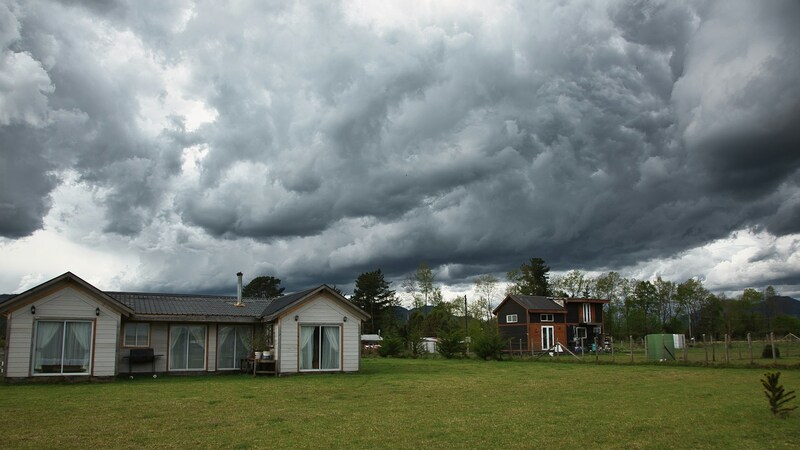
The roof deserves close attention after storms because it bears the brunt of the weather. According to the National Weather Service, ice dams are frequent in northern climates. They are formed due to the snow buildup melting during the day and refreezing when temperatures dip overnight.
Over several days of these melting-freezing cycles, the ice and melted water reach under the shingles. Eventually, water enters the attic and damages the ceilings, walls, and contents.
To act in time, look for missing, cracked, curling, loose, or lifted shingles. Hail may leave dents in metal vents, flashing, or roof accessories, while strong winds can loosen shingles. Inside the home, check ceilings and upper walls for water stains, bubbling paint, or discoloration. In the attic, look for damp insulation, moldy odors, or daylight visible through roof boards.
Addressing minor roof damage early can prevent water from reaching the roof deck, attic, insulation, and interior ceilings. Left unrepaired, a small leak can result in wood rot, mold growth, damaged drywall, and eventually structural deterioration.
Check Gutters and Downspouts for Drainage Problems
Gutters and downspouts need to be monitored cautiously as they direct rainwater away from the roof, siding, and foundation. When they fail, water can overflow onto exterior walls, collect around the foundation, and erode landscaping. After heavy rain, inspect gutters for sagging sections, loose brackets, separated seams, rust spots, and visible clogs.
Look for overflowing water during rainfall, streaks or stains on siding, and pooling water near the base of the home. Soil erosion beneath downspouts is another red flag that water is being discharged close to the foundation. Downspouts should carry water away from the house, and extensions may be needed where drainage is poor.
Proper drainage helps protect foundations, basements, exterior walls, crawl spaces, and landscaping from moisture damage. Clean gutters regularly and repair leaks or separated sections before the next storm. If gutters repeatedly overflow despite cleaning, or if water continues to pool near the foundation, a professional may need to evaluate the roof drainage, grading, or downspout placement.
RELATED: Smart ways to protect your home decor from water damage
Look for Cracks, Warping, and Moisture Damage in Siding
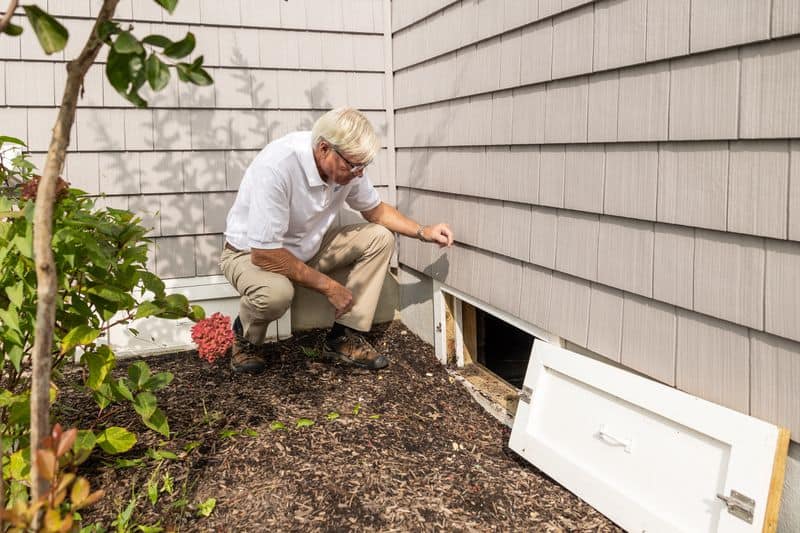
Heavy rain, hail, strong winds, and temperature fluctuations can gradually cause damage to exterior siding. Hail can also leave dents, chips, or fractures that compromise the siding’s protective barrier. Warning signs include cracked panels, bubbling or peeling paint, loose boards, warped sections, soft or swollen wood, and gaps around seams or corners.
Let us consider the example of Kansas. Kansas City siding damage is likely a problem faced by many homeowners in the area when storms hit. That’s pretty much a concern for all American homeowners living in storm-prone areas.
Four Seasons Home Products recommends ultra-durable siding materials to stand strong regardless of the harsh weather conditions. Wood siding may crack, warp, split, or loosen. Vinyl siding can crack, buckle, or pull away from the wall. Painted surfaces may peel or bubble when moisture becomes trapped beneath the finish.
Inspect siding periodically, especially after hailstorms and periods of heavy wind or rain. Small areas of damage may be repairable, but extensive cracking, widespread warping, persistent moisture stains, or suspected water intrusion should be evaluated by a qualified professional. Early repairs help preserve the wall assembly and prevent hidden damage from spreading.
Examine Windows, Doors, and Exterior Seals
Windows and doors are common entry points for both drafts and moisture. Check the caulking around the exterior window and door frames for cracks, shrinkage, gaps, or missing sections. Also, inspect weatherstripping along doors for wear, flattening, tears, or gaps that allow outside air to enter.
Look for damaged or soft window frames, peeling paint, water stains on nearby walls, and condensation between double- or triple-pane glass. Condensation between panes is an indication of a failed seal, which can reduce insulation performance and allow moisture-related problems to develop.
Repairing failed seals can curb moisture intrusion, reduce drafts, and prevent further deterioration. Consider caulking exterior gaps, replacing worn weatherstripping, and repairing damaged flashing. These measures are relatively inexpensive compared with repairing water-damaged walls or replacing entire window units.
For addressing condensation between window panes, you will need a glazier to remove the fogged sealed glass assembly and install a new, factory-sealed insulated glass unit (IGU) in the existing frame. This restores the airtight cavity, insulating gas, and thermal performance without window replacement.

Look for Foundation Cracks and Signs of Excess Moisture
The foundation should be checked for new or widening cracks, crumbling concrete, exposed rebar, water seepage, and mineral deposits. This Old House explains that you should worry about a crack that grows, spreads, or appears suddenly. This could indicate active foundation movement and requires professional evaluation. Horizontal and diagonal cracks are more bothersome than vertical cracks.
Watch for persistent dampness, musty odors, standing water, efflorescence, and soil that slopes toward the house. Check basement or crawl-space walls after heavy rain, and note whether water appears in the same locations repeatedly. Poor drainage, clogged gutters, and downspouts discharging beside the home cause excess moisture around the foundation.
The size of the crack is not the only thing to be considered when determining the severity of damage. Instead, check whether it is stable or changing over time. Homeowners should also check ceilings and floors for sagging after major storms. Remember to look for structural damage before entering a storm-affected home.
FAQs
How often should homeowners inspect their homes for weather damage?
A visual inspection at least twice a year, typically in spring and fall, is recommended. You must also do checks after severe storms to identify potential problems early. Focus on the roof, gutters, siding, windows, doors, and foundation. Roofs, attics, and other hard-to-access areas should be inspected safely by qualified professionals when necessary.
What are the most common signs of weather damage to a home’s exterior?
Common warning signs include missing or curling roof shingles, damaged siding, clogged or sagging gutters, peeling paint, cracked caulking, and water stains. Look for drafts around windows and doors and pooling water near the foundation. Interior clues such as ceiling stains, damp attic insulation, or musty odors can also point to weather-related moisture problems.
When should weather damage be repaired by a professional?
Professional help is advisable when damage affects roofing, siding, structural components, or areas where moisture may have entered hidden spaces. Widening foundation cracks, significant leaks, sagging ceilings or floors, extensive storm damage, and repeated water intrusion warrant prompt assessment.
Key Takeaways
| Weather damage indicator | Key data or warning signs | Recommended action |
| Roof damage | Missing shingles, leaks, ice dams, and water stains | Inspect after storms and repair damaged shingles promptly. |
| Gutter problems | Overflowing water, sagging gutters, and soil erosion | Clear clogs and direct downspouts away from the foundation. |
| Siding damage | Cracks, warping, dents, and peeling paint | Repair damaged panels to prevent moisture intrusion. |
| Window and door seals | Cracked caulking, drafts, and condensation between panes | Replace worn seals and weatherstripping. Install a factory-sealed insulated glass unit (IGU) |
| Foundation damage | Widening cracks, seepage, and persistent dampness | Monitor changes and seek professional assessment for concerning signs. |
Weather damage in a home often begins with small signs. When these warning signs are ignored, moisture and structural movement can spread into areas that are much more expensive to repair. A simple inspection routine can make a major difference. By spotting problems early and calling qualified professionals when needed, homeowners can protect their property and avoid major repairs down the road.

Ellen is a busy mom of a 29-year-old son and 33-year-old daughter. She owns nine blogs and is addicted to social media. She believes that it doesn’t have to be difficult to lead a healthy life. She shares simple healthy living tips to show busy women how to lead fulfilling lives. If you’d like to work together, email info@confessionsofanover-workedmom.com to chat.
