
Last Updated on June 10, 2026 by Ellen Christian
Most homeowners do not think much about their HVAC system until something stops working. It usually happens on the hottest day of summer or the coldest night of winter, when you need it the most. The truth is, your heating and cooling system needs regular care to keep running smoothly.
Posts may be sponsored. This post contains affiliate links, which means I will make a commission at no extra cost to you should you click through and make a purchase. As an Amazon Associate I earn from qualifying purchases.

A simple seasonal checklist can help you stay ahead of problems, save money on energy bills, and keep your home comfortable all year. You do not need to be an expert to follow these steps.
With a little attention each season, you can avoid many common issues and extend the life of your system.
Be Ready for Sudden HVAC Problems
Even if you follow every maintenance step, there is always a chance your system could stop working without warning. This is especially common during extreme weather when HVAC systems are under the most stress.
That is why it is important to be prepared and know where to turn for help. Having access to emergency HVAC services can make a stressful situation much easier to handle. Whether your AC stops working during a heat wave or your heater fails on a cold night, quick help can restore comfort to your home.
Common urgent problems include no airflow, warm air coming from vents when cooling is needed, or a system that will not turn on at all. Being prepared means you will not have to scramble when something goes wrong.
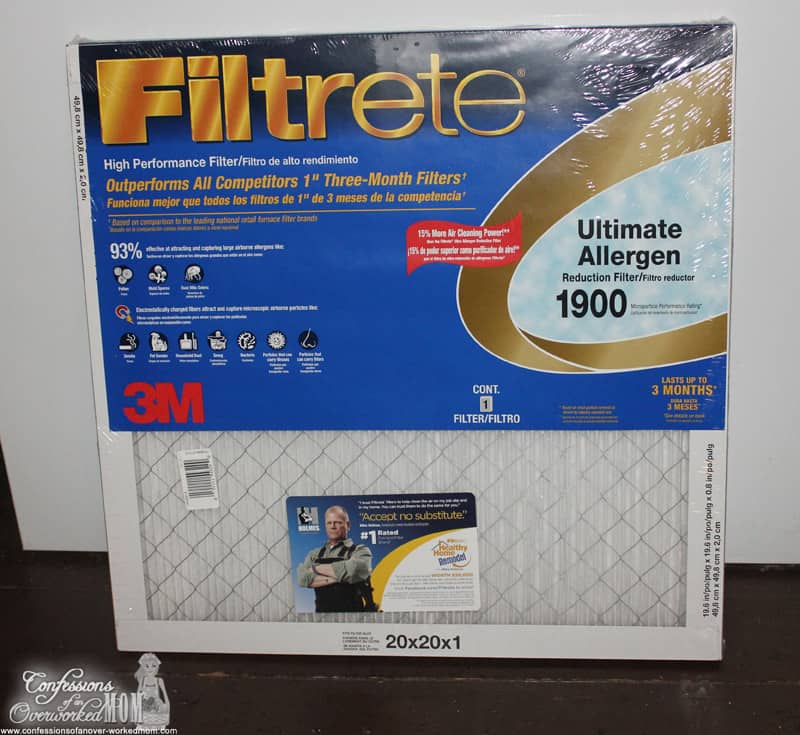
Spring HVAC Checklist for Cooling Season
Spring is the perfect time to get your system ready for warmer weather. Before you start using your air conditioner daily, take a few simple steps to prepare it.
Start by replacing or cleaning your air filters. Dirty filters restrict airflow and make your system work harder. Next, check your thermostat to make sure it is working properly. If it uses batteries, replace them to avoid unexpected shutdowns.
Take a look at your outdoor unit. Clear away leaves, dirt, and any debris that may have built up around it. This helps improve airflow and efficiency. Inside your home, check vents to make sure they are not blocked by furniture or dust.
It is also a good idea to schedule a professional AC tune-up. A technician can inspect your system, clean important parts, and catch any issues early.
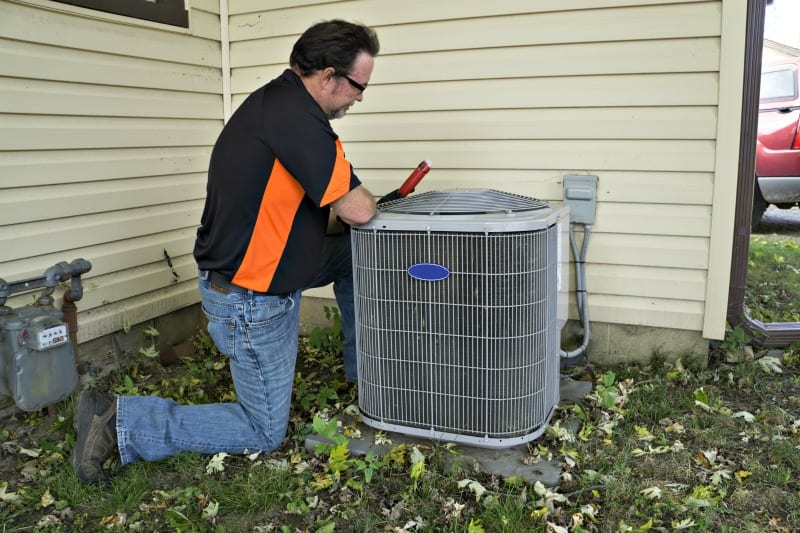
Summer HVAC Maintenance Tips
During summer, your air conditioner is used the most, so it is important to keep an eye on how it is performing.
Make sure the outdoor unit stays clean and has enough space around it. If possible, keep it shaded to help it run more efficiently. Inside your home, pay attention to airflow and temperature.
If some rooms feel warmer than others, there may be an issue that needs attention.
Listen for unusual sounds like rattling or buzzing. Also, notice any strange smells coming from the vents. These can be signs that something is wrong and lead to costly ac repair mistakes.
Change or clean your air filters regularly during this time, since they get dirty faster with constant use. Try not to set your thermostat too low, as this can put extra strain on your system.

Fall HVAC Checklist for Heating Season
As temperatures start to drop, it is time to prepare your heating system. Turning it on for the first time before winter arrives is a smart move. This gives you time to address any problems before you really need it.
Replace your air filters again to keep airflow smooth. Check your carbon monoxide detectors to make sure they are working properly, especially if you use a gas heating system.
Inspect your ductwork for any visible leaks or damage. Leaky ducts can waste energy and reduce heating efficiency. It is also a good idea to schedule a professional inspection for your heating system. This helps ensure everything is safe and ready for the colder months.
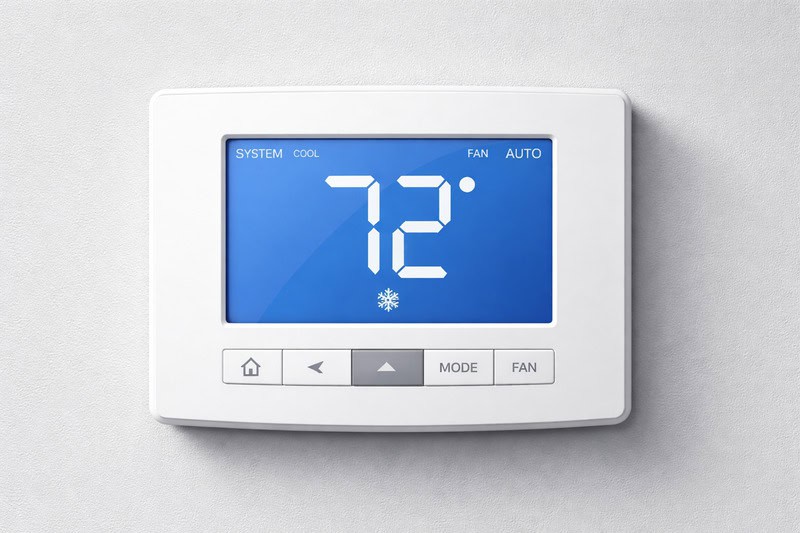
Winter HVAC Care Tips
In winter, your heating system becomes essential for daily comfort. Keeping it in good condition is important.
Make sure vents are not blocked by furniture, rugs, or other items. Blocked vents can lead to uneven heating and make your system work harder.
Pay attention to how your home feels. If some rooms are colder than others, there may be an issue with airflow or insulation. Keep an eye on indoor humidity levels as well, since dry air can affect comfort.
Listen for unusual noises coming from your system, and avoid constantly adjusting the thermostat. Frequent changes can reduce efficiency and wear out your system faster.
Taking care of your HVAC system does not have to be complicated. By following a simple seasonal checklist and paying attention to how your system performs, you can keep your home comfortable all year. Small steps like changing filters, checking vents, and scheduling regular inspections can go a long way.
Staying proactive helps you avoid unexpected breakdowns and costly repairs. And when problems do happen, being prepared ensures you can handle them quickly and with less stress.

Ellen is a busy mom of a 29-year-old son and 33-year-old daughter. She owns nine blogs and is addicted to social media. She believes that it doesn’t have to be difficult to lead a healthy life. She shares simple healthy living tips to show busy women how to lead fulfilling lives. If you’d like to work together, email info@confessionsofanover-workedmom.com to chat.
