Last Updated on June 12, 2026 by Ellen Christian
Downsizing your home can feel like a major life shift. The move from a larger space filled with memories into something more compact and intentional can be challenging. The decision may be driven by lifestyle changes, financial goals, or the desire for simplicity.
Posts may be sponsored. This post contains affiliate links, which means I will make a commission at no extra cost to you should you click through and make a purchase. As an Amazon Associate I earn from qualifying purchases.
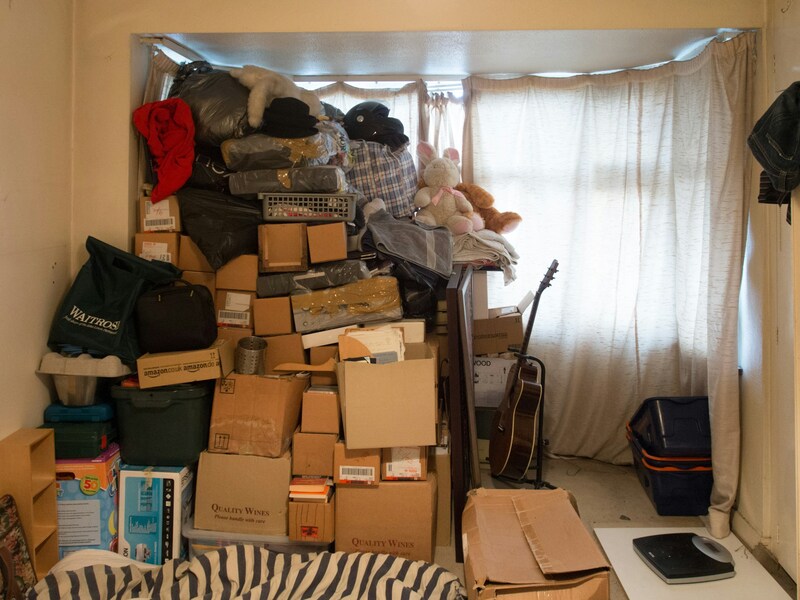
A Guardian article explains that many people in the UK do it for massive savings. “I’ve definitely seen a trend for homeowners downsizing to reduce their mortgage payments,” notes David Sharpstone, mortgage adviser.
Without the right approach, you may end up feeling overwhelmed when making this transition. However, measures like move-out decluttering, timely planning, and a clear mindset can simplify the process. The key is to treat downsizing not as a loss, but as an opportunity to create a more functional, peaceful, and manageable living environment.
In this article, we will share a few practical downsizing tips to help reduce stress as you transition into a smaller home that truly supports your lifestyle.
Downsize with Intention
A Psyche Central article defines intentional living as building your life around your values and beliefs. You do not act on impulse or merely exist, but command your day. Intentional living reduces stress and creates a sense of agency. The most successful downsizing journeys begin with this mindset.
Instead of stressing about what you are giving up, consider what you want to gain with this transition. A smaller home often means less maintenance, lower expenses, and a simplified daily routine. Start by identifying your priorities. When you downsize with intention, every decision seems easier and simpler.
For example, if your goal is to create a calm and clutter-free home, you will keep only items that add value or joy. This mindset helps you avoid unnecessary stress and prevents you from holding on to things out of habit or guilt.
Plan and Measure Early
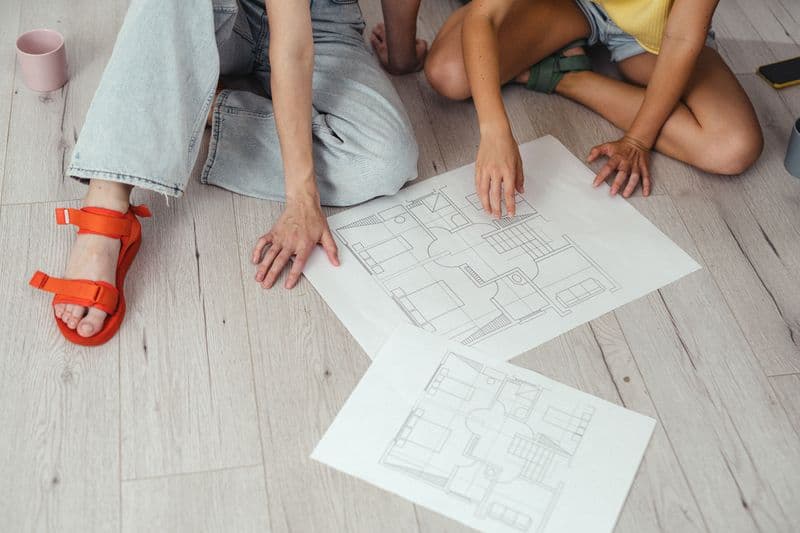
Proper planning is essential for a smooth downsizing experience, and the sooner you start, the better. Before you start with the move, understand the layout and dimensions of your new home. Measure rooms, doorways, and storage areas to decide which furniture pieces and belongings will realistically fit.
Create a basic floor plan to visualize how your items can be best arranged in the new space. This step prevents last-minute surprises and reduces the chances of moving items that will not work in your new home. It also gives you clarity on what to keep, sell, or donate before moving out.
For example, a large sectional sofa that fits perfectly in your previous living room may overwhelm a smaller one. The best thing about planning early is that it saves time, money, and emotional energy.
Declutter Strategically
Decluttering is perhaps one of the most important parts of downsizing, but it does not have to be overwhelming. Clutterless Home Solutions explains that professional help can translate stress and anxiety, and create an orderly space even when you downsize homes. Moreover, you can seek help for moving, packing, and unpacking for the entire process.
A Country Living article reiterates that clearing out the excess is the key to creating a serene and stress-free environment. Your space feels like a breath of fresh air, and you are able to focus on what actually matters. Moreover, the decluttering process itself can be therapeutic, as the decisions of letting go empower you.
Instead of trying to tackle everything at once, break the process into smaller, manageable tasks. Focus on one room or category at a time, such as clothing, kitchen items, or paperwork. Be honest about what you actually use and need in your daily life. Dedicating just 30 minutes a day to decluttering can lead to steady progress without burnout.
Define the Essentials
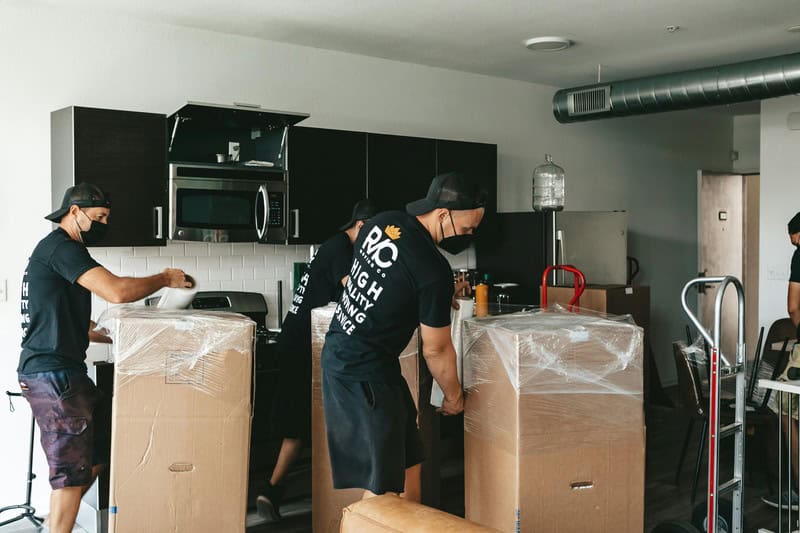
When moving to a smaller home, defining your essentials makes sense. Essentials are not just basic necessities but also items that support your lifestyle and bring genuine value. Take time to evaluate what you truly need for comfort, functionality, and happiness. Be honest when you assess things.
Think about your daily routines and ask questions that can help you simplify the process.
- What items do you use regularly?
- What belongings make your life easier or more enjoyable?
- What can you give up without regrets?
This will help prioritize things and let go of duplicates or rarely used items. For example, instead of keeping multiple sets of kitchen tools, choose versatile items that serve multiple purposes. In your wardrobe, keep clothing that fits well and is worn frequently. By focusing on essentials, you create a more organized and efficient living space where everything has a clear purpose.
Be Mentally Ready
A Woman & Home feature discusses the emotional toll of downsizing for homeowners. Most people rightsize due to practical reasons, but the emotional attachment to one’s home cannot be underestimated. Moreover, the dread of change and upheaval often makes people hang on to their family homes for longer than they serve them.
Being mentally prepared can help you make more confident and less stressful decisions. Remind yourself why you chose to downsize and the benefits it will bring to your life. Whether it is more financial freedom, less maintenance, or a simpler lifestyle, keeping your goals in mind can keep you motivated.
Moreover, you can find realistic ways to preserve memories without holding on to physical items. For instance, taking photos of sentimental objects allows you to keep the memory without the clutter. Downsizing becomes easier when you focus on the future rather than holding on to the past.

FAQs
How can a smaller home be better?
A smaller home can be better because it is easier to maintain, more cost-efficient, and encourages intentional living. With less space, you naturally reduce clutter and focus on essentials. It can also lower utility bills, cleaning time, and stress, allowing you to spend more time on family, hobbies, and meaningful daily activities.
Why is downsizing difficult for some people?
Downsizing can be difficult due to emotional attachments to belongings and memories tied to a larger home. Many people fear losing comfort or space, and decision-making can feel overwhelming. Letting go of items accumulated over time can create stress, especially when balancing practical needs with sentimental value and lifestyle changes.
How can you plan a home relocation to a smaller space?
Planning a move to a smaller home involves measuring your new space, decluttering early, and prioritizing essential items. Create a clear layout plan to decide what will fit comfortably. Organize belongings into categories, and start packing gradually. This approach reduces last-minute stress and ensures a smoother, more efficient transition.
Key Takeaways
| Downsizing Tip | Key Action | Main Benefit |
| Downsize with Intention | Focus on goals and values rather than loss | Creates a purposeful and stress-free transition |
| Plan and Measure Early | Measure rooms, furniture, and storage | Prevents moving items that will not fit |
| Declutter Strategically | Declutter one room or category at a time | Reduces overwhelm and creates steady progress |
| Define the Essentials | Keep items that are useful and meaningful | Builds a more organized and functional home |
| Be Mentally Ready | Prepare emotionally and focus on future benefits | Makes letting go easier and lowers stress |
Downsizing does not have to be a stressful or overwhelming experience. With the right mindset and practical strategies, it can become an opportunity to simplify your life and create a home that truly works for you. Each step you take, from decluttering to defining your essentials, brings you closer to a more manageable and fulfilling lifestyle in the long run.

Ellen is a busy mom of a 29-year-old son and 33-year-old daughter. She owns nine blogs and is addicted to social media. She believes that it doesn’t have to be difficult to lead a healthy life. She shares simple healthy living tips to show busy women how to lead fulfilling lives. If you’d like to work together, email info@confessionsofanover-workedmom.com to chat.
