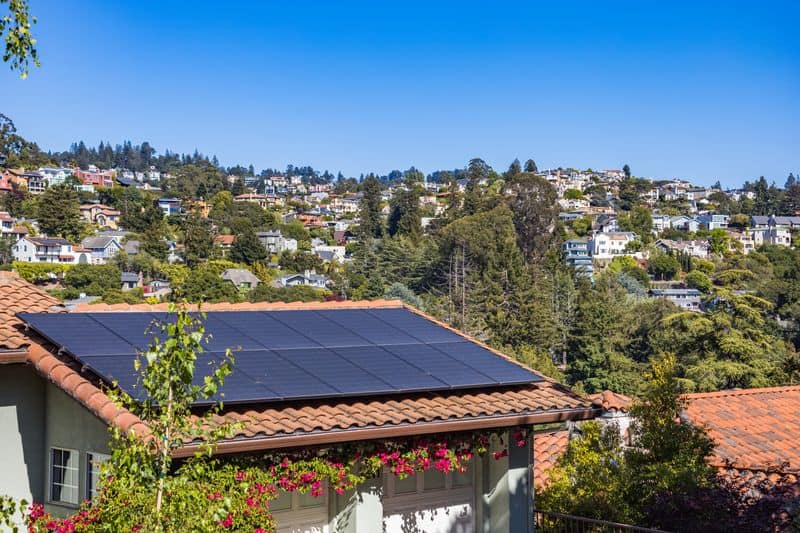
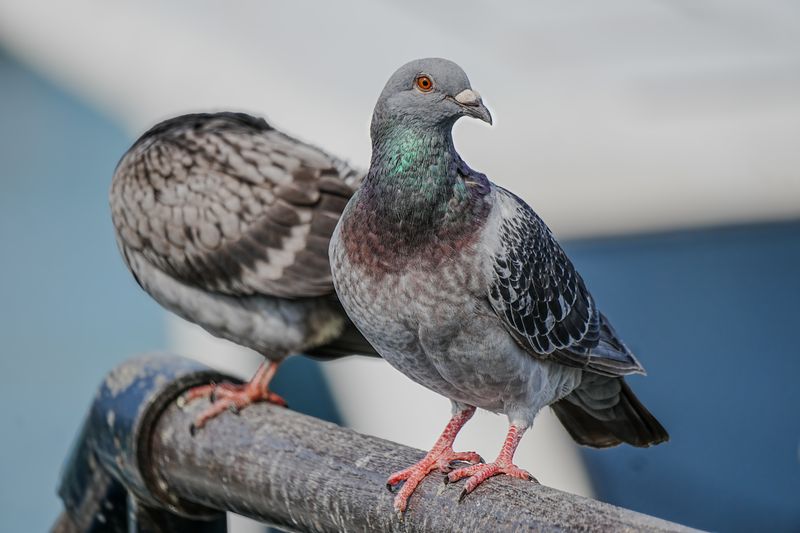
Solar panel owners across the country are running into an unexpected complication with their energy setup: pigeons. What begins as a couple of birds on the roofline can balloon into a full flock nesting beneath the panels in just a few weeks. If you’ve spotted droppings piling up on your roof, caught scratching sounds at dawn, or watched birds circle your array repeatedly, you’re facing a problem that won’t disappear on its own. Pigeons show up to solar installations for concrete reasons, and pinning those down matters; it’s the foundation for keeping them away. This article lays out the exact reasons pigeons congregate around solar panels, and more importantly, what steps actually work to stop them.
Posts may be sponsored. This post contains affiliate links, which means I will make a commission at no extra cost to you should you click through and make a purchase. As an Amazon Associate I earn from qualifying purchases.
Why Pigeons Are Attracted to Solar Panel Installations
Solar panels create conditions pigeons find nearly irresistible. Start withOvoControl’s guide to get rid of pigeons for real-world examples of why this happens. The guide spells out how pigeons actively hunt for high, sheltered spots with steady warmth nearby, which is basically describing the underside of a rooftop solar array to a T. That narrow band between a panel and the roof deck (usually just a few inches) gives pigeons enough room to squeeze in and settle. The space shields them from wind, keeps rain out, and soaks up heat radiating from both the panel and the roof beneath it. From a pigeon’s angle, that’s a choice property. Most homeowners don’t peek under their panels often enough, so nesting can continue undetected for weeks or months while birds multiply.
How Solar Panels Provide Shelter and Nesting Opportunities
The gap under solar panels solves two major problems pigeons face in cities: escape from predators and protection from the weather. Hawks and falcons rarely chase pigeons into tight corners, so a solar array underbelly works as a built-in safe zone. Pigeons are territorial and breed in pairs. Once a couple nests under your panels, they’ll come back to the same spot year after year and guard it fiercely against competitors. A single nest becomes a colony. The debris they drag in, twigs, leaves, feathers, whatever else, stacks up and blocks airflow, traps moisture on the roof, and can even threaten wiring if it gets close enough. Beyond that, nesting stuff collects mites and lice; these parasites can slip into attics if panels sit near roof openings.
The Role of Food Sources and Water Near Solar Arrays
Pigeons don’t settle far from food; they’ll nest only as far as they can easily fly for meals. Dumpsters behind restaurants, open compost piles, bird feeders in yards nearby, even spilled seed on driveways, all of it keeps pigeons bound to a neighborhood. On commercial properties with solar arrays? Loading docks, trash compactors, and outdoor eating spaces multiply the food supply. And water pulls just as hard. Flat roofs trap rainwater in puddles around panel frames; clogged gutters hold water for days after storms. Pigeons drink from these pools multiple times daily. So if your property has food, standing water, and the shelter panels give, you’ve basically rolled out a welcome mat. But remove just one of those pieces; suddenly, the location becomes way less appealing to birds hunting for a place to land.
Practical Methods to Prevent and Remove Pigeons from Solar Panels
Getting pigeons off your solar installation takes more than one tactic. Deterrence alone stalls the problem if shelter and food stay unchanged; the best plans tackle both physical barriers and behavior simultaneously. What follows covers techniques ranging from one-time passive installations to ongoing active strategies; the right mix depends on array size, roof setup, and whether pigeons have already dug in on your property.
Physical Barriers and Installation Techniques That Work
Direct action, a physical exclusion barrier, stops pigeons from reaching the underside space entirely. Specialized solar panel mesh or wire kits clamp to the frame edge and seal the gap between panel and roof without cutting off airflow or hurting panel output. These kits come in galvanized steel or coated wire; the best ones use J-clips that bolt straight to the frame with no drilling required. Installed right, the mesh holds up ten years or longer with almost zero upkeep, just a quick look during your yearly roof check. Anti-roosting spikes along panel frames, roof ridges, and gutters add another layer of push-back for birds trying to land on outer surfaces rather than squeeze underneath. On flat commercial roofs where panels sit on ballasted racks, suspended wire grids a few inches above the deck stop pigeons from walking under the array entirely.
Humane Deterrents and Control Options for Long-Term Management
Mesh closes the door, but you’ve got to handle birds already there, and stop new ones from arriving. Birth control delivered through treated corn at automated feeders ranks as one of today’s most effective long-term population tools. The active ingredient, nicarbazin, cuts egg fertility without harming birds or the broader ecosystem; the effect reverses fully. This works best where a flock’s already taken hold because it shrinks numbers gradually across one or two breeding cycles instead of just pushing birds elsewhere. Visual tricks like decoy predators and reflective tape help short-term, but fade fast as pigeons adjust to stationary objects. But combine mesh barriers with birth control? You get the strongest outcome: barriers prevent fresh nesting, and contraceptive programs trim the existing flock until numbers drop to something manageable.
Conclusion
Pigeons congregate around solar panels because those systems deliver what they crave: shelter, warmth, easy access to food and water. Ignore it, and even a handful of nesting birds beneath your panels can wreck the roof, wreck warranties, and turn into something much worse. The real answer for stopping pigeons and keeping them stopped lands on two moves: install solid exclusion mesh to block entry; pair it with a population control plan that fits your property. Do both things; your solar investment stays safe.
Ellen is a busy mom of a 29-year-old son and 33-year-old daughter. She owns nine blogs and is addicted to social media. She believes that it doesn’t have to be difficult to lead a healthy life. She shares simple healthy living tips to show busy women how to lead fulfilling lives. If you’d like to work together, email info@confessionsofanover-workedmom.com to chat.