
Last Updated on September 15, 2026 by Ellen Christian
A luxury safari does not revolve around finding luxurious accommodations and getting around in open-air vehicles. Luxury in this case involves being able to witness pristine locations as they are, witnessing wildlife in their natural habitat, and being disconnected from the hustle of life. One ends up surrounded by other vehicles whenever there are animals to be witnessed within the popular parks, but the private locations give something extra. One gets that sense of having experienced something rare.
Posts may be sponsored. This post contains affiliate links, which means I will make a commission at no extra cost to you should you click through and make a purchase. As an Amazon Associate I earn from qualifying purchases.
For one to fully benefit from the private locations, one requires knowledgeable and professional guides. A great safari experience involves knowledge and expertise regarding the region. To make your normal trip feel special, talk to our Africa travel specialists. They know the ins and outs of the seasons, private places, and how to set up travel made just for you. This can help turn your next holiday into one you will never forget.
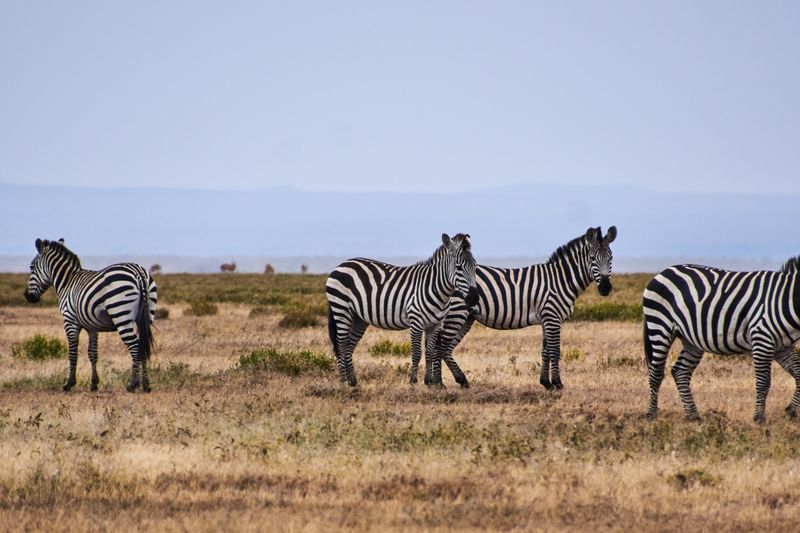
Public Parks vs. Private Reserves: The Luxury Difference
The way public national parks and private game reserves work shows the main way safari trips are not the same. National parks keep important land safe, but they have strict public rules. Private reserves sit close to many national parks, and there are often no big fences. They give you more freedom, and being there can feel more special.
| Feature | Public National Parks | Private Game Reserves & Concessions |
| Crowd Control | Open to public day-visitors; heavy vehicle density around key sightings. | Restricted strictly to overnight lodge guests; low vehicle density guarantees private sightings. |
| Off-Road Tracking | Strictly prohibited; vehicles must remain on paved or dirt roads. | Permitted; professional trackers navigate off-road to follow big cats and rare species. |
| Night Drives | Gates close at sunset; night activities are forbidden. | Allowed; specialized spotlight drives reveal nocturnal predators like leopards and aardvarks. |
| Walking Safaris | Restricted or limited to specific short trails. | Guided bush walks let you explore nature up close alongside armed rangers. |
| Dining & Atmosphere | Standard communal dining zones with set hours. | Boma dinners under the stars, private bush breakfasts, and flexible schedules tailored to wildlife movement. |
Why On-the-Ground Knowledge Is Essential
Private concessions cover hundreds of thousands of acres of land that stay untouched and clean. To move through these huge places in the right way, you need up-to-date info that you will not get from guides you find online.
- Micro-Climate and Seasonal Tracking: Wildlife groups move, water in the ground changes, and how thick the plants grow shifts each month. Experts know exactly where animals travel—like the time when herds cross the river on certain private lands or when dried-up streams start to have water again during the season.
- Handling Private Reserve Travel: A lot of top wildlife areas can only be reached by private flights that land on small remote airstrips. Experts at these spots handle every travel detail. They deal with your luggage size, keep trips between camps smooth, and manage all the small plans.
- Getting Close with Famous Tracker-Guide Teams: Your safari gets its excitement from your guide. A special group can pair you with expert trackers. These guides read small signs in the bush, like a bent blade of grass, the far sound of an animal call, or new tracks. They help you see the story in what first looks like just empty land.
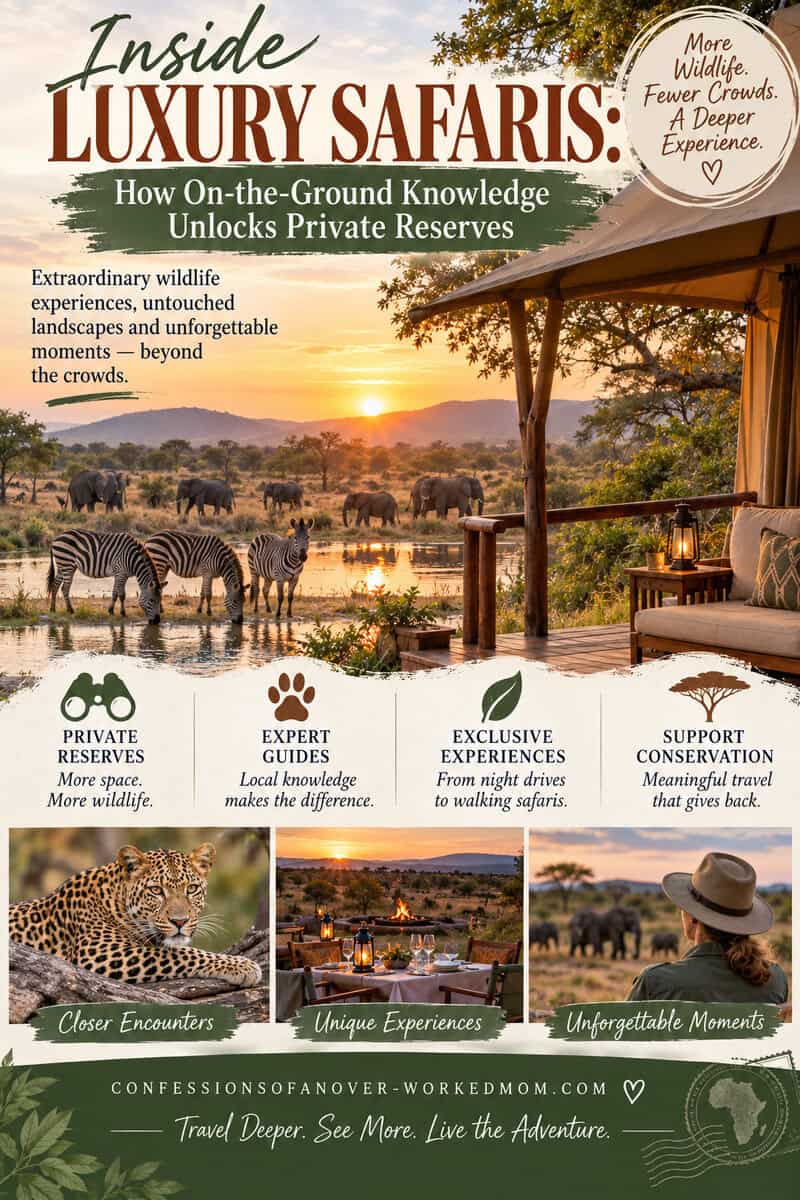
Unlocking Conservation and Exclusive Experiences
Beyond seeing wildlife, having entry to a private reserve helps give money to strong nature care work and helps local people. People who like top travel get to do special things that most people do not get to do.
- Behind-the-Scenes Conservation: Get involved in real field projects like rhino dehorning, pangolin tracking, or keeping track of animals’ collars. A local vet will guide you.
- Exclusive-Use Villas & Fly-Camping: Families or small groups can book private safari homes. These come with private chefs, their own plane, and a car just for game drives. If you feel brave, you can sleep outside in comfort and safety and feel close to nature under the stars.
- Genuine Cultural Exchanges: Spend real and thoughtful time with local groups. Your visit will help support their schools, health clinics, and jobs right there.
RELATED: How to make a helicopter tour part of your vacation
Designing Your Custom Safari
Creating a safari that fits you best needs you to think about weather in the area, the land, and the way you like to travel. You can mix big-cat tracking on private lands with canoe rides on water. You might also want to see animals move during different times of the year while staying in private areas. Using advice from people who know the place makes sure every part of your trip goes well.
From getting yearly camp permits to matching luxury wild lodges with stays by the sea, special planning helps in every step. To start making your own trip, talk to our africa travel specialists today.
Ellen is a busy mom of a 29-year-old son and 33-year-old daughter. She owns nine blogs and is addicted to social media. She believes that it doesn’t have to be difficult to lead a healthy life. She shares simple healthy living tips to show busy women how to lead fulfilling lives. If you’d like to work together, email info@confessionsofanover-workedmom.com to chat.
