
Last Updated on October 19, 2026 by Ellen Christian
A finished home does not have to look staged or expensive. The best rooms feel settled because the furniture, lighting, storage, and smaller details all seem to belong together while still making everyday life easy. In Tennessee, about two-thirds of occupied homes are owner-occupied, which means many people are making long-term decisions about how their spaces should function and feel. The goal is to create rooms that look intentional without losing the comfort that makes a home feel lived in.
Posts may be sponsored. This post contains affiliate links, which means I will make a commission at no extra cost to you should you click through and make a purchase. As an Amazon Associate I earn from qualifying purchases.
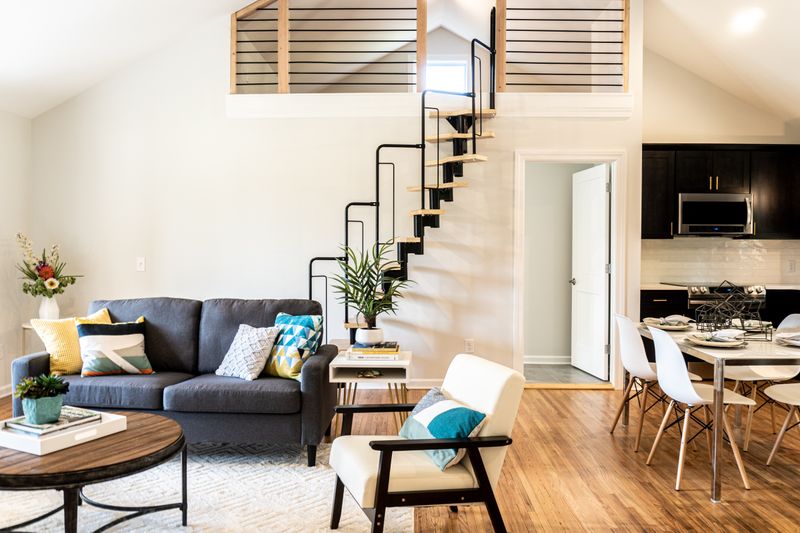
Start With What the Room Needs to Do
Before choosing colors or buying furniture, decide how the room actually needs to work.
A living room used for movie nights has different requirements from one designed mainly for entertaining. A dining area that doubles as a workspace needs more flexibility than a formal room used occasionally. Once the function is clear, furniture choices become easier.
Think about where people sit, where everyday items collect, and which activities happen most often. Storage, lighting, table placement, and traffic flow should support those routines.
A beautiful room becomes frustrating quickly if there is nowhere to put a drink, insufficient storage, or furniture blocking the natural path through the space.
Create Cohesion Without Making Everything Match
A coordinated home should feel connected, not copied and pasted.
Repeating a few materials, tones, or shapes across rooms can create consistency without forcing every piece to belong to the same furniture set. Warm wood, black metal, soft neutrals, or curved forms can become quiet threads that tie different spaces together.
Smoky’s Furniture offers turnkey furniture in Tennessee through a done-for-you furnishing service that can help coordinate furniture selection, delivery, placement, and styling for homeowners who want a more unified result.
The advantage of a planned approach is not simply convenience. It reduces the chance of accumulating attractive individual pieces that never quite work together once they are in the same room.
Get the Scale Right Before Buying More
Rooms often feel unfinished because the proportions are wrong rather than because anything is missing.
A small rug under large furniture can make everything look disconnected. Oversized seating can crowd a room, while tiny accent pieces may disappear visually in a larger space. Measuring before buying is one of the simplest ways to avoid those problems.
Pay attention to how pieces relate to one another. A coffee table should suit the size of the sofa, artwork should feel substantial enough for the wall, and lighting should fit the height and scale of the room.
Understanding how scale affects a room can help create balance without relying on rigid decorating formulas.

Use Lighting to Add Depth
Furniture gives a room structure, but lighting often determines how welcoming it feels.
One overhead fixture rarely does enough. A room tends to feel warmer when several kinds of light work together. Ambient lighting provides general brightness, task lighting supports activities such as reading or cooking, and accent lighting draws attention to artwork or architectural details.
Using layers of lighting also gives you more control throughout the day.
Good lighting should support the room instead of calling attention to itself.
Add Layers Without Adding Clutter
A furnished room and a finished room are not always the same thing.
Textiles, art, plants, books, trays, baskets, and personal objects can soften the harder lines of furniture and make the space feel more complete. The key is choosing details that add something rather than filling every empty surface.
A rug can define a seating area. Curtains can make windows feel more substantial. A throw introduces texture, while art gives the walls personality.
Leave some open space too. Every shelf does not need to be full, and every corner does not need a decorative object. Restraint gives the pieces you do choose more impact and keeps the room from feeling visually noisy.
Protect the Natural Flow of the Room
A room can look good from one angle and still be difficult to live in.
Traffic flow is one of the easiest things to overlook when decorating because furniture is often considered piece by piece instead of as part of a complete layout. People should be able to move through the room without squeezing behind chairs or navigating around sharp table corners.
Avoid automatically pushing every item against the wall. In some rooms, bringing seating slightly inward creates a more comfortable conversation area and makes the layout feel intentional.
Do not fill open space simply because it exists. Empty areas can help a room breathe and make movement easier.
Give Everyday Clutter Somewhere to Go
A polished home becomes difficult to maintain when everyday objects have no designated place.
Storage should exist where clutter naturally appears. An entryway may need hooks, a bench, or a tray for keys. A living room may need closed storage for electronics, chargers, blankets, and games. Bedrooms benefit from nightstands and drawers that keep small essentials close without leaving them on display.
The easiest homes to keep looking good are usually not the ones with the fewest possessions. They are the ones where frequently used items have obvious places to return to.
Finish With Personality, Not Perfection
The final layer should make the home feel like yours.
Family photographs, collected objects, meaningful artwork, favorite books, or pieces with a little age can keep a polished room from feeling anonymous. These details create character that cannot be reproduced by buying an entire display at once.
Living with a space for a while can reveal what is actually missing. Maybe a dark corner needs a lamp, the sofa needs a side table, or a bare wall needs one larger piece of art rather than several smaller ones.
A home feels complete when function, proportion, comfort, and personality support one another. That balance matters more than matching every finish or following every trend. The goal is not to create a room that looks untouched. It is to create one that feels considered, comfortable, and easy to live in.

Ellen is a busy mom of a 29-year-old son and 33-year-old daughter. She owns nine blogs and is addicted to social media. She believes that it doesn’t have to be difficult to lead a healthy life. She shares simple healthy living tips to show busy women how to lead fulfilling lives. If you’d like to work together, email info@confessionsofanover-workedmom.com to chat.
