
Last Updated on September 30, 2026 by Ellen Christian
Exercising outdoors can make a regular workout feel much more enjoyable. A morning walk, a run through the park, or a quick backyard workout gives you fresh air and a welcome change of scenery. However, spending time outside also means greater exposure to ultraviolet rays.
Posts may be sponsored. This post contains affiliate links, which means I will make a commission at no extra cost to you should you click through and make a purchase. As an Amazon Associate I earn from qualifying purchases.
Sun protection is not only something to think about at the beach. Your skin and eyes are exposed whenever you exercise outdoors, including on cool or cloudy days. A few simple precautions can help you stay comfortable and protected without making your fitness routine complicated.
Choose the Right Time for Your Workout
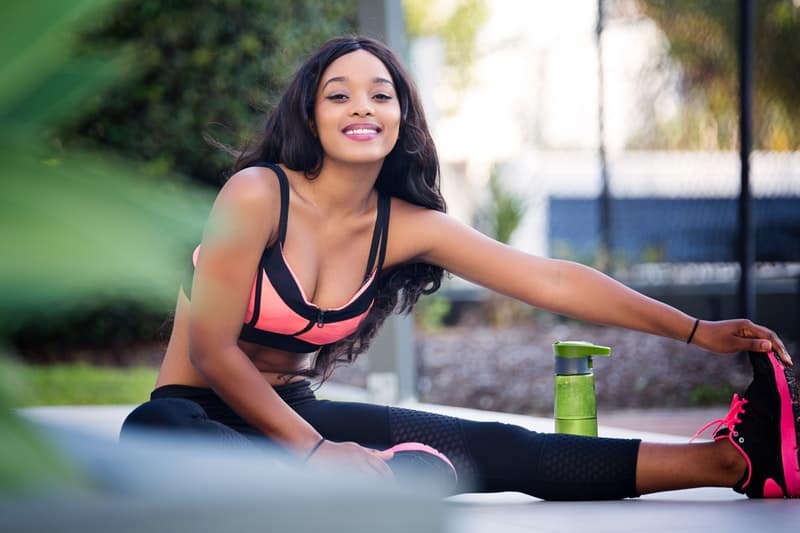
If your schedule allows, plan outdoor exercise for the morning or later in the afternoon. The sun is usually strongest around the middle of the day, so changing your workout time can reduce direct exposure.
Of course, busy schedules do not always leave much room for choice. If lunchtime is the only opportunity you have to take a walk or go for a run, look for a shaded route. A path lined with trees or a covered exercise area can make a noticeable difference.
Checking the UV index before leaving home is also helpful. The temperature may feel mild while UV levels are still high, so it is better not to judge sun exposure by the weather alone.
Apply Sunscreen Before You Leave
Sunscreen should be part of your workout preparation, just like filling your water bottle or tying your shoes. Choose a broad-spectrum, water-resistant sunscreen with an SPF of 30 or higher. Broad-spectrum products protect against both UVA and UVB rays, while water-resistant formulas are more practical when you expect to sweat.
The American Academy of Dermatology recommends applying sunscreen before going outside and reapplying it approximately every two hours, as well as after swimming or sweating.
Pay attention to areas that are easy to overlook, including:
- Your ears
- The back of your neck
- Your hairline
- Your shoulders
- The backs of your hands
- The tops of your feet
- The skin around your workout top
If you are planning a longer workout, carry a small bottle of sunscreen so you can reapply it when needed. Sunscreen sticks can also be convenient for the face because they are easy to use without getting lotion on your hands.

Protect Your Eyes from UV Rays
Bright sunlight can cause glare, make you squint, and leave your eyes feeling tired after a workout. More importantly, repeated UV exposure can affect eye health over time. Sunglasses also help protect the delicate skin around the eyes, an area where applying sunscreen can sometimes be uncomfortable.
When looking at sunglasses for women, focus on more than color or style. Look for lenses marked as providing 100% UV protection or UV400 protection. The American Academy of Ophthalmology advises choosing sunglasses that block both UVA and UVB rays.
Fit matters during exercise as well. Your sunglasses should stay comfortably in place when you walk, run, or cycle. Lightweight frames, larger lenses, and wraparound styles can offer practical coverage while reducing the amount of sunlight entering from the sides.
Keep in mind that darker lenses do not automatically provide better UV protection. Always check the label rather than judging a pair by the shade of its lenses.
Wear Lightweight Protective Clothing
Covering more skin does not have to mean feeling overheated. Many fitness brands offer lightweight, breathable clothing designed for outdoor activity. A long-sleeved workout top made from moisture-wicking fabric can provide more coverage while still allowing sweat to evaporate.
You may also see clothing with a UPF rating. UPF, or ultraviolet protection factor, indicates how effectively a fabric helps block UV radiation. This can be especially useful for longer walks, hikes, bike rides, or outdoor sports.
A hat can provide additional protection for your face, scalp, ears, and neck. While a wide-brimmed hat offers the most coverage, a lightweight sports cap may feel more secure during running or faster-paced exercise. If you wear a cap, remember that your ears and the back of your neck will still need sunscreen.
Do Not Skip Protection on Cloudy Days
It is easy to forget sunscreen when the sky is grey or the temperature is cool. However, UV rays can still reach your skin through clouds. Wind can also make a sunny day feel cooler, which may cause you to stay outdoors longer without noticing how much sun you are getting.
Try to base your sun-protection routine on the amount of time you will spend outside rather than how warm or bright the day feels. Keeping sunscreen near your workout shoes or water bottle can serve as a useful reminder.
Sun protection is important throughout the year as well. Snow, water, sand, and pavement can reflect sunlight, increasing the amount of glare around you. Sunglasses and sunscreen should not be packed away as soon as summer ends.
Make Use of Shade
Shade provides a helpful break from direct sunlight, particularly during longer workouts. If you are exercising in a park, plan rest periods near trees, covered benches, or shelters.
You can also design your route around shaded streets rather than open roads. For home workouts, consider using a covered patio or an area of the yard that does not receive direct midday sun.
Remember that shade is only one part of sun protection. Reflected and scattered UV rays can still reach you, so sunscreen, protective clothing, and sunglasses remain important.
Build a Small Outdoor Workout Kit
Sun safety becomes much easier when everything you need is already packed. Keep a small outdoor exercise kit by the door or in your car with:
- Water-resistant sunscreen
- UV-protective sunglasses
- A lightweight hat
- A refillable water bottle
- A clean towel
- Lip balm with SPF
- A light long-sleeved layer
Having these items ready saves time, especially when you are trying to fit exercise into a busy day. It also makes it less likely that you will skip protection because you cannot find what you need.
Pay Attention to Your Body
Sun protection and heat safety often go together. During outdoor exercise, take breaks and drink water regularly. If you begin to feel dizzy, weak, nauseated, unusually tired, or confused, stop exercising and move to a cooler place.
After your workout, check your skin for redness or tenderness. A cool shower and a gentle moisturizer may help soothe skin that feels dry, but it is best to avoid further sun exposure if you notice signs of sunburn.
Make Sun Safety Part of the Routine
Protecting your eyes and skin does not require a long list of extra steps. Applying sunscreen, wearing UV-protective sunglasses, choosing suitable clothing, and planning a shaded route can quickly become part of your normal workout routine.
The goal is not to avoid outdoor exercise. Spending time outside can support both physical fitness and emotional well-being. With a little preparation, you can enjoy those benefits while giving your skin and eyes the protection they need.

Ellen is a busy mom of a 29-year-old son and 33-year-old daughter. She owns nine blogs and is addicted to social media. She believes that it doesn’t have to be difficult to lead a healthy life. She shares simple healthy living tips to show busy women how to lead fulfilling lives. If you’d like to work together, email info@confessionsofanover-workedmom.com to chat.
