
Last Updated on August 20, 2026 by Ellen Christian
Brain injuries are a leading health concern in the United States, including traumatic brain injuries (TBIs) commonly caused by falls, motor-vehicle crashes, assaults, and firearm-related incidents. The CDC reported 214,110 TBI-related hospitalizations in 2020 and 68,663 deaths in 2023.
Posts may be sponsored. This post contains affiliate links, which means I will make a commission at no extra cost to you should you click through and make a purchase. As an Amazon Associate I earn from qualifying purchases.
A TBI occurs when an outside force disrupts normal brain function. Concussions are generally considered mild TBIs, but symptoms can still affect memory, concentration, balance, mood, sleep, and daily activities. Knowing brain injury statistics adds context because many mild cases never enter hospitalization data.
How Common Are TBIs?
No single statistic captures every brain injury. CDC surveillance focuses mainly on emergency-department visits, hospitalizations, and deaths, while people with milder symptoms may receive outpatient care or never seek treatment. In 2017, falls accounted for about 49.1% of TBI-related hospitalizations, while motor-vehicle crashes accounted for about 24.5%.
Falls affect people of all ages. Wet floors, broken stairs, missing handrails, and unsafe walking surfaces can contribute to falls. Legal responsibility depends on the circumstances and applicable state law, not simply on the fact that someone fell.
Motor-Vehicle Crashes
Vehicle collisions can injure the brain through direct impact, rapid acceleration and deceleration, or the head striking a vehicle interior or roadway. A person does not have to lose consciousness to suffer a TBI. Symptoms can include headaches, dizziness, nausea, memory problems, and mood changes.
Responsibility may involve another driver, a commercial carrier, a manufacturer, or a road-maintenance entity. Medical records and symptom timing can help connect the injury to the crash.
Assaults and Firearm Injuries
Assaults can cause TBIs through blunt-force impacts, falls during an attack, or penetrating injuries. Firearm-related incidents can cause severe brain injuries. CDC data identify firearm-related suicide as the leading cause of TBI-related deaths in the United States.
Civil claims and criminal prosecutions are separate. An injured person may pursue a claim against an attacker, while surviving relatives may have a wrongful-death claim after a fatal injury.
Sports and Recreational Injuries
Cycling, skiing, skateboarding, horseback riding, and other activities can cause TBIs. An injury does not automatically create liability because participants may accept ordinary risks.
A claim may become possible when the injury involves defective equipment, unsafe premises, reckless conduct, inadequate supervision, or failure to follow established safety procedures.

Medical and Workplace Causes
Brain damage can also result from oxygen deprivation, surgical complications, medication errors, or delayed treatment, potentially raising malpractice issues.
At work, falls, machinery incidents, construction hazards, and explosions can cause TBIs. Workers’ compensation may apply, with a possible third-party claim when someone else caused the injury.
Why Brain Injuries Can Be Difficult to Prove
Brain injuries are not always visible. Someone may appear physically fine while experiencing problems with memory, attention, or daily functioning.
Useful evidence includes:
- Medical records.
- Neuropsychological testing.
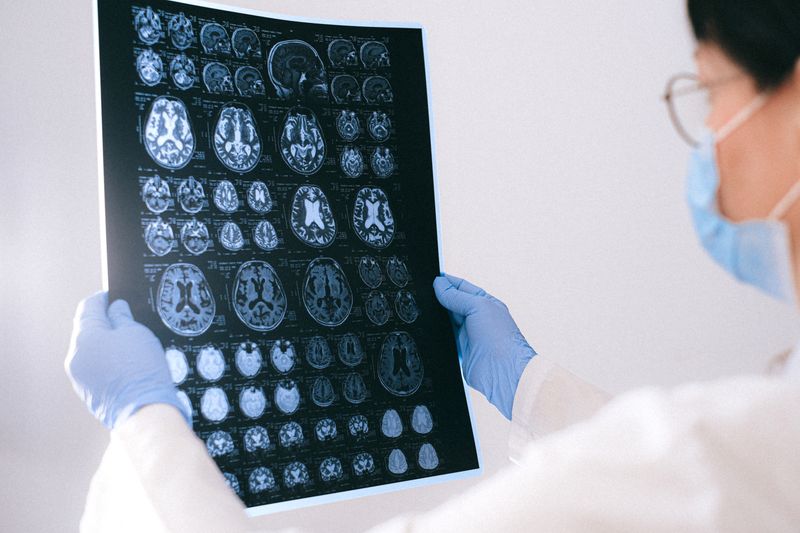
- Imaging.
- Witness accounts.
- Employment records.
- Rehabilitation evidence.
A normal CT scan or MRI does not necessarily rule out a concussion or functional brain injury.
Legal Considerations
There is no single federal negligence law governing every brain-injury claim. State law generally determines duty, breach, causation, deadlines, comparative fault, and damages. In federal cases, 28 U.S.C. § 1652 generally provides that state law supplies the rules when federal law does not control.
Expert evidence may matter when diagnosis, causation, prognosis, or long-term effects are disputed. Under Fed. R. Evid. 702, qualified experts can testify when their specialized knowledge and reliable methods will help explain issues.
Final Takeaways
- Falls lead TBI-related hospitalizations.
- Motor-vehicle crashes are also major causes.
- Concussions can occur without loss of consciousness.
- Symptoms may be delayed or invisible.
- Medical records help establish diagnosis and causation.
- Liability depends on the facts and state law.
- Experts may matter in complex cases.

Ellen is a busy mom of a 29-year-old son and 33-year-old daughter. She owns nine blogs and is addicted to social media. She believes that it doesn’t have to be difficult to lead a healthy life. She shares simple healthy living tips to show busy women how to lead fulfilling lives. If you’d like to work together, email info@confessionsofanover-workedmom.com to chat.
