
Last Updated on April 20, 2026 by Ellen Christian
In Grand Rapids, MI, many homeowners want a space that feels comfortable and well-designed, but rising material costs and labor fees make large renovations harder to justify. It’s common to put off upgrades because they seem expensive or time-consuming. Still, a home doesn’t need a full overhaul to feel better.
Posts may be sponsored. This post contains affiliate links, which means I will make a commission at no extra cost to you should you click through and make a purchase. As an Amazon Associate I earn from qualifying purchases.
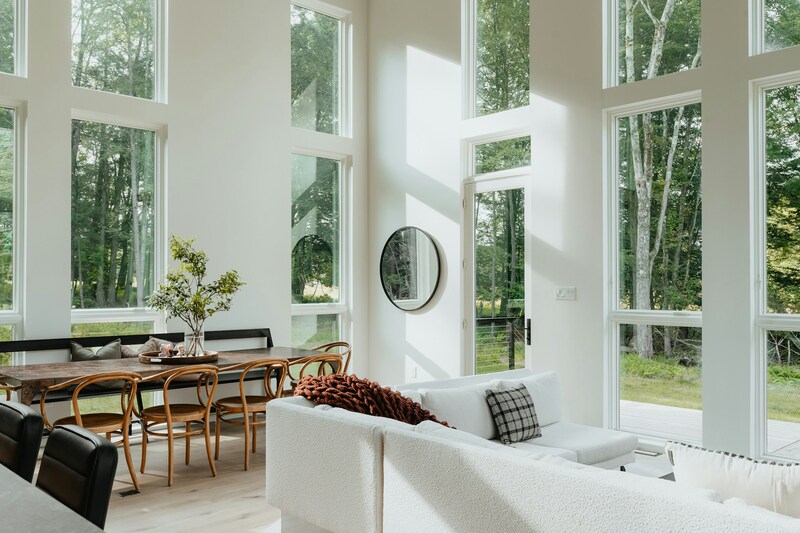
When you focus on details that improve comfort, lighting, and usability, the results can feel surprisingly high-end. This guide breaks down practical ways to improve your home step by step, without stretching your budget or committing to long, stressful renovations.
Planning Smart Before Spending Anything
Before buying anything, take time to walk through your home and notice what feels off. It could be poor lighting, worn-out fixtures, or cluttered surfaces. Write down the areas that bother you the most in daily life. This helps you avoid spending money on upgrades that look good but don’t solve real problems. Set a budget that feels manageable and leave a small buffer for unexpected costs. Focus on one or two spaces instead of trying to fix everything at once. A clear plan keeps your decisions practical. It also helps you avoid impulse purchases that don’t match your overall style or improve how your home actually feels.

Refreshing Your Bathroom Without Starting Over
Bathrooms play a big role in how your home feels day to day. You don’t need a full renovation to improve them. Start with simple changes like replacing an old showerhead, updating the vanity light, or installing a new mirror. Wall surrounds made from easy-care materials can give the space a clean look without the upkeep of tile grout. If your bathtub or shower feels outdated, targeted upgrades can make a noticeable difference. Many homeowners explore options like bathroom remodeling in Grand Rapids, MI to improve function without dealing with long timelines. Focus on materials that are durable and easy to maintain so the space stays fresh with minimal effort.
Making Everyday Spaces Work Better for You
A home feels more comfortable when it supports your daily routine. Look at how you use each space and adjust it to fit your needs. In the kitchen, keep frequently used items within easy reach and store less-used tools out of the way. In living areas, arrange seating so conversations feel natural instead of forced. Add shelves or storage where clutter tends to build up. Even small changes, like better drawer organizers or hooks near entryways, can save time every day. Focus on what makes your routine smoother rather than following trends. When your home works well, it naturally feels more comfortable and easier to maintain.
Lighting That Instantly Changes the Mood
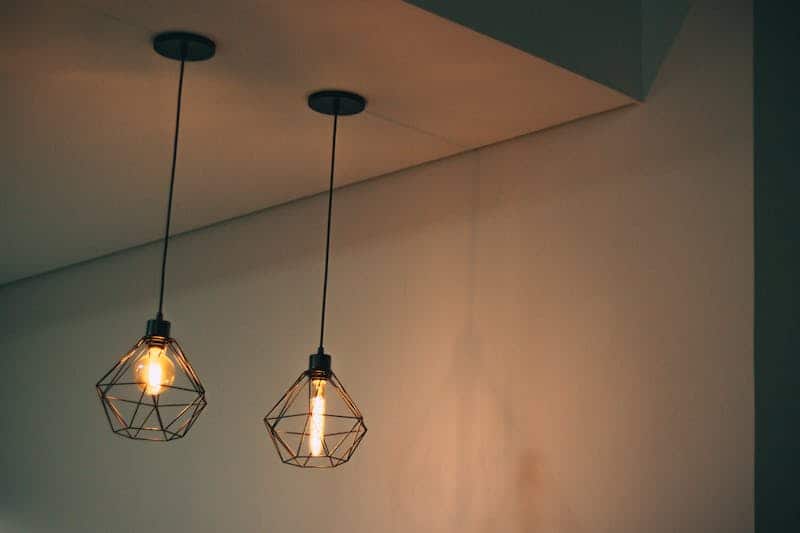
Lighting shapes how every room feels, yet many homes still rely on one harsh ceiling light. Start by switching to warm-toned bulbs that create a softer, more relaxed atmosphere. Add a mix of lighting sources like floor lamps, table lamps, or wall fixtures to spread light evenly across the room. This removes dark corners and makes spaces feel more open. Replace outdated fixtures with simple, modern designs that don’t draw too much attention but still look clean. Dimmer switches are another practical upgrade and are often easy to install. With better lighting, even older rooms start to feel more comfortable and thoughtfully put together.
Small Hardware Changes That Feel High-End
Cabinet handles, drawer pulls, and faucets often go unnoticed until they look outdated. Replacing them is one of the easiest ways to refresh a space without spending much. Choose finishes that work well with your existing colors, such as brushed nickel or matte black. These tend to look clean and don’t go out of style quickly. Keep the design simple and consistent throughout your home so everything feels connected. When installing new hardware, make sure the sizes and placements match your current setup to avoid extra work. These small updates don’t take long, but they can make kitchens and bathrooms feel more polished and intentional.

Textiles That Add Comfort and Depth
Soft materials change how a room feels the moment you walk in. Start with items you use every day, like towels, bedding, and cushions. Choose fabrics that feel comfortable and hold up well after regular washing. Cotton and linen are reliable choices because they breathe well and don’t feel heavy. Stick to a simple color palette so everything works together without looking busy.
Layering also helps. A throw on the sofa or a textured blanket on the bed adds depth without needing new furniture. Curtains matter more than most people think. Floor-length panels in neutral tones can make the ceilings look higher and more put together without much effort.
RELATED: DIY Curtain Rods to Add Style to Your Room

Using Paint to Refresh Without Overspending
Paint offers one of the easiest ways to update a space without hiring help. Start by fixing any surface issues like cracks or peeling areas so the finish looks clean. Choose colors that feel calm and easy to live with over time. Soft whites, warm neutrals, and muted tones tend to age well and match most furniture. If repainting a full room feels like too much work, focus on high-impact areas like an accent wall or built-in shelves. Use quality paint that covers well to avoid multiple coats. A fresh coat can make older spaces look well-maintained and brighter without changing anything else in the room.
Simple Design Details That Pull a Room Together
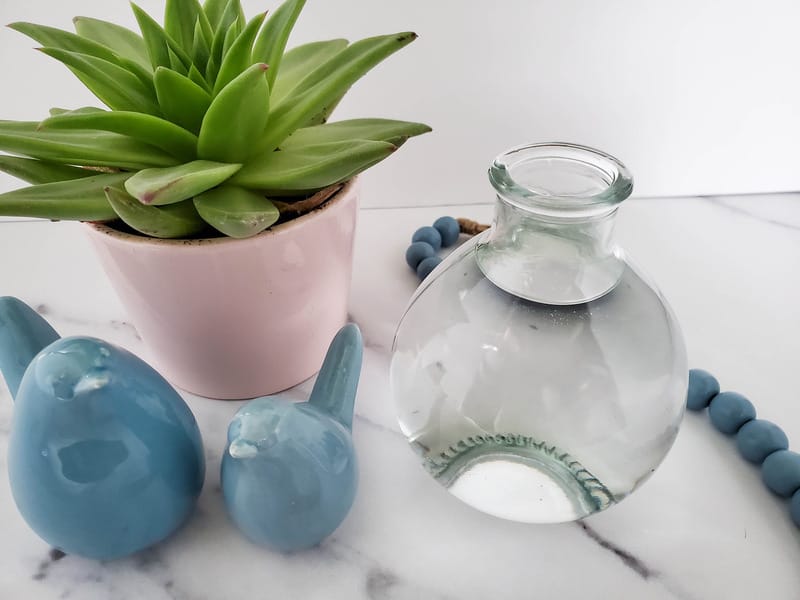
A few well-chosen details can make a space feel complete. Start with mirrors, especially in smaller rooms, since they reflect light and make the area feel more open. Wall art should feel intentional rather than filling empty space. Choose a few pieces that match your color scheme and hang them at eye level for a cleaner look. Plants are another easy addition. Even low-maintenance options like snake plants or pothos can bring life into a room without much care. Keep surfaces balanced by leaving some empty space instead of covering everything. When each item has a purpose, the room feels more organized and thoughtfully designed.
A more refined home comes from paying attention to details that improve daily living. You don’t need a large budget or a full renovation to see real change. When you plan carefully, upgrade key elements, and focus on comfort and function, your space starts to feel more complete. Small improvements like better lighting, updated hardware, and thoughtful storage create lasting results. Over time, these changes build a home that feels easier to live in and more enjoyable to spend time in. The goal isn’t perfection. It’s creating a space that works well for you and feels comfortable every single day.

Ellen is a busy mom of a 29-year-old son and 33-year-old daughter. She owns nine blogs and is addicted to social media. She believes that it doesn’t have to be difficult to lead a healthy life. She shares simple healthy living tips to show busy women how to lead fulfilling lives. If you’d like to work together, email info@confessionsofanover-workedmom.com to chat.
