Last Updated on August 4, 2026 by Ellen Christian
Kids don’t separate health into little boxes the way adults do. To them, a day is just a day full of snacks, school, play, and hopefully not too much nagging before bed. For families in Arlington, Washington, simple everyday routines can go a long way toward supporting both overall wellness and healthy smiles. The same habits that promote better energy and sleep can also help protect your child’s teeth. You don’t need a color-coded life plan, either. A few steady habits can make a big difference, and they’re much easier to maintain when they fit real family life.
Posts may be sponsored. This post contains affiliate links, which means I will make a commission at no extra cost to you should you click through and make a purchase. As an Amazon Associate I earn from qualifying purchases.
Why Daily Habits Matter
When you think about your child’s health, it helps to zoom out. Teeth are part of the bigger picture, not a side quest. What your child eats, drinks, and does every day affects their mouth just as much as it affects their mood and energy.
A steady routine matters because kids thrive on repetition. If breakfast happens at a regular time, water is easy to grab, and brushing is just part of the bedtime flow, those choices start to feel normal. That’s the sweet spot.
Daily habits also work like tiny building blocks. One good snack won’t create perfect teeth. One skipped brushing session won’t ruin them either. But patterns add up over time.
That’s actually good news for tired parents. You don’t need perfection. You need a handful of doable habits that happen more often than not. Think less “wellness boot camp,” more “calm autopilot with a toothbrush.”
Choose Tooth-Friendly Snacks
Snacks can either help your child’s smile or stage a tiny sugar ambush. The trick is choosing foods that don’t cling to teeth for ages. Sticky fruit snacks, chewy candy, and crackers that turn to mush can hang around in the mouth longer than you’d think.
Better snack options are simple, filling, and easier on growing teeth. Some good choices include:
- Apple slices
- Cheese sticks
- Yogurt with low added sugar
- Carrot sticks or cucumbers
- Nuts, if age-appropriate
- Hard-boiled eggs
These foods are easier on teeth and help with energy too. Cheese and yogurt can be especially handy because they’re quick and don’t feel like “health food punishment.”
If your child does have sweets, timing helps. It’s usually better to have a treat with a meal instead of grazing on sugary foods all afternoon. Constant snacking means teeth get more exposure.
You’re not banning birthday cake or turning snack time into a lecture. You’re just making the easy choice a little smarter and a lot less sticky.

Water Is Always the Best Choice
If there were a gold medal for easiest healthy habit, water would be on the podium waving awkwardly. It’s simple, cheap, and surprisingly helpful for your child’s mouth.
Besides keeping kids hydrated, water also helps rinse away bits of food after meals and snacks. That matters, especially on busy days when brushing can’t happen right away. If your child has sports practice, a car snack, or a long school day, water is the easiest reset button.
It’s also a better everyday pick than juice, soda, or sports drinks. Those drinks can bathe teeth in sugar or acid, which is not exactly a spa day for enamel.
Make water easier to choose by keeping a bottle in the backpack, car, or lunchbox. Some kids drink more when they have a fun cup or a straw. Is it mildly ridiculous that a dinosaur bottle can improve hydration? Yes. Is it effective? Also yes.
You don’t need to make water exciting every second. You just want it to feel normal, available, and part of the day.
Make Brushing Fun, Not a Battle
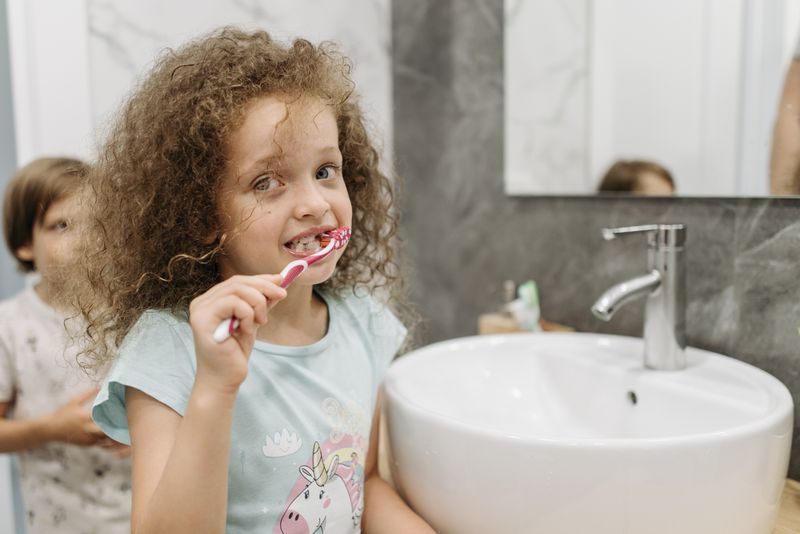
If brushing your child’s teeth feels like negotiating with a tiny union leader, you’re not alone. A lot of kids resist it, even when they know the routine. The goal is to make brushing feel expected, not optional.
Start by linking it to things that already happen. Brush after breakfast. Brush before stories. That kind of habit-stacking works because kids learn the order of events, not just the rule.
A few practical tricks can help:
- Use a timer or two-minute song
- Let your child choose the toothbrush color
- Keep child-friendly floss picks nearby to make flossing easier.
- Offer simple choices like “brush first or pajamas first?”
For younger kids, you’ll still need to help longer than many parents expect. Little hands often miss the hard-to-reach spots. That’s normal.
Keep your tone calm and matter-of-fact. If brushing turns into a nightly courtroom drama, scale back the emotion. You’re not asking for a heroic act. You’re asking for two minutes and a little spit. That’s a very fair deal.
Keep Dental Checkups Stress-Free
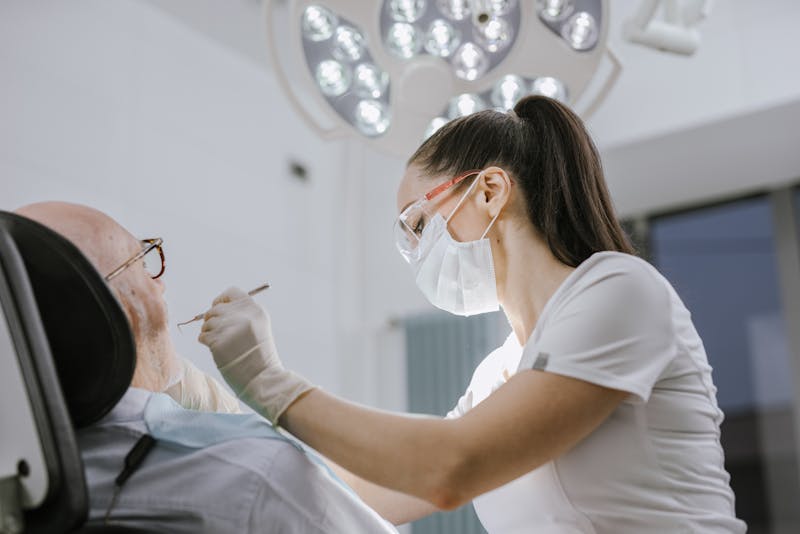
Home habits do a lot, but regular checkups still matter. They give you a chance to catch small issues before they turn into bigger ones. They also help kids get used to dental visits as a normal part of staying healthy, not a scary surprise.
If you’re trying to make dental visits less stressful, it helps to choose someone who works with children every day. For families looking for a pediatric dentist in Arlington, WA, finding a kid-focused practice can make routine care feel more comfortable and less intimidating.
You can also prepare your child in simple ways. Talk about the visit ahead of time using calm language. Avoid saying things like “it won’t hurt,” which can accidentally make kids worry more. Instead, say the dentist will count and clean their teeth.
Try scheduling appointments when your child is usually rested and fed. A hungry, tired child in a waiting room is basically a weather system. A little planning goes a long way.
Build Habits That Last
The best family routines are the ones you can repeat on ordinary days. Not vacation days. Not super-organized days. Just regular Tuesday days when someone can’t find a shoe.
A simple rhythm might look like this:
- Water with meals and snacks
- Tooth-friendly snacks most of the time
- Brushing in the morning and before bed
- Flossing once a day
- Regular checkups on the calendar
That’s enough. Really. You don’t need to overhaul your whole kitchen or become a wellness influencer with matching jars.
What matters most is consistency. Kids learn from what happens over and over. When healthy choices are easy to reach and part of the routine, they stop feeling like extra work.
So if you want to support your child’s smile, start small. Pack the water bottle. Keep the toothbrush somewhere that’s easy to reach. Keep better snacks in sight. Little habits may not look dramatic, but they do a lot of heavy lifting. Unlike glitter, these are the kind of habits you’ll be happy to keep around.

Ellen is a busy mom of a 29-year-old son and 33-year-old daughter. She owns nine blogs and is addicted to social media. She believes that it doesn’t have to be difficult to lead a healthy life. She shares simple healthy living tips to show busy women how to lead fulfilling lives. If you’d like to work together, email info@confessionsofanover-workedmom.com to chat.
