
Last Updated on June 22, 2026 by Ellen Christian
Gardening is often associated with cozy weekends spent digging, watering, weeding, and maintaining plants. It’s hard work, but the hobby remains incredibly popular despite the work involved. As Dave Whitinger, Executive Director of the National Gardening Association, notes, younger people want to garden but lack the space is often a hindrance. Despite space challenges, 81% of households in the country were gardening back in 2023, which is still a significant percentage.
Posts may be sponsored. This post contains affiliate links, which means I will make a commission at no extra cost to you should you click through and make a purchase. As an Amazon Associate I earn from qualifying purchases.
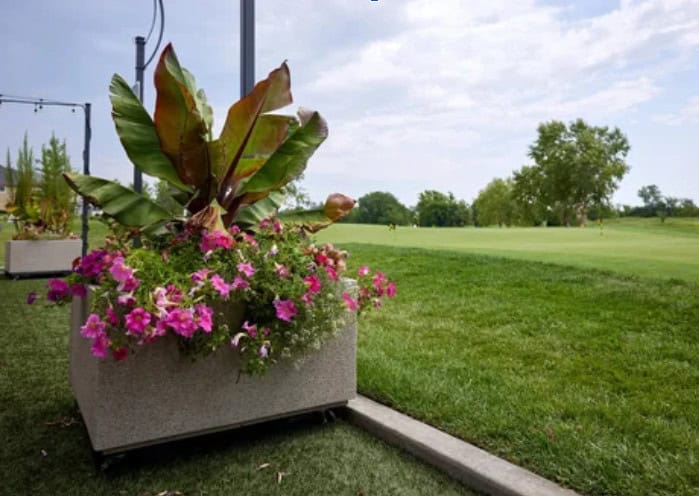
Image source: https://www.polymade.com/gallery
Here’s some more trivia. Back in 2020, the average amount spent on household gardening was about $40.3 billion and $458 per home. In 2023, that number shot up to $75.9 billion and $671 per home. When asked why they gardened, 64% people said it was for relaxation, while 46% said it was to be more connected to nature.
That said, while some people genuinely enjoy the work, many gardeners are searching for ways to make things more efficient. In this article, we’ll be looking at a few ways to do precisely that. Read on to learn more.
#1. Build a Better Watering Strategy
Watering frequently becomes one of the most time-consuming parts of maintaining a garden. During warm weather, many gardeners find themselves returning to the same beds day after day with a hose or running sprinkler systems. While this approach may keep plants alive, it is not always the most efficient use of time or resources.
The problem becomes even larger when water is applied inefficiently. In the case of sprinklers, they may seem convenient, but they often distribute water to areas that do not need it. This is the last thing you want, given how much water most people waste.
As the EPA points out, Americans use an average of 82 gallons of water every day. Outdoor water use makes up 30% of total usage, and households with inefficient irrigation methods (like sprinklers) waste 50% of water. This happens because of evaporation, wind, and runoff.
For gardeners looking to improve efficiency, drip irrigation and soaker hose systems often provide a better solution. Essentially, you want to deliver water closer to plant roots while reducing waste. In some situations, investing in a custom planter box can make these systems easier to install and manage.
Planters designed with drip-irrigation in mind can simplify hose placement, improve drainage control, and help direct water exactly where it is needed. As PolyMade notes, some services also allow you to choose the kind of finish you want, for example, granite or stucco planters.
#2. Be Smart With Plant Choice
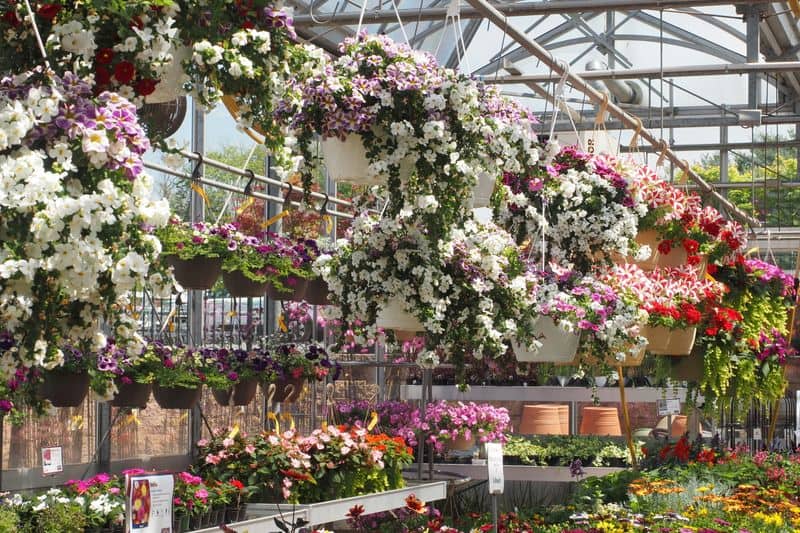
Many gardeners spend considerable time researching fertilizers, watering schedules, and pest control methods. Yet, they overlook one of the biggest factors influencing workload: plant selection. The types of plants you choose will often determine how much maintenance your garden requires over the coming years.
Annual plants can provide excellent harvests, but they also create recurring tasks. Seeds need to be purchased, beds prepared, and young plants monitored each season. When multiplied across an entire garden, these recurring responsibilities can consume a surprising amount of time.
For some reason, many beginners are drawn to vegetable gardening, which can be tricky if you choose the high-maintenance varieties. The easiest vegetables to manage tend to be perennial varieties that are hardy and don’t need constant babysitting.
According to Kiera Jekos, a garden designer and educator, artichoke varieties like the “Imperial Star” were bred to deal with cold temperatures. Likewise, she notes that asparagus is one of the ‘easiest’ vegetables to grow; however, it does require three years before you get yields.
Thinking long-term can dramatically reduce annual gardening work. Once established, many perennial vegetables continue producing with far less intervention than crops that require complete replanting every year. The result is a garden that remains productive while demanding fewer hours of maintenance.
#3. Start Using Mulch as Early as Possible
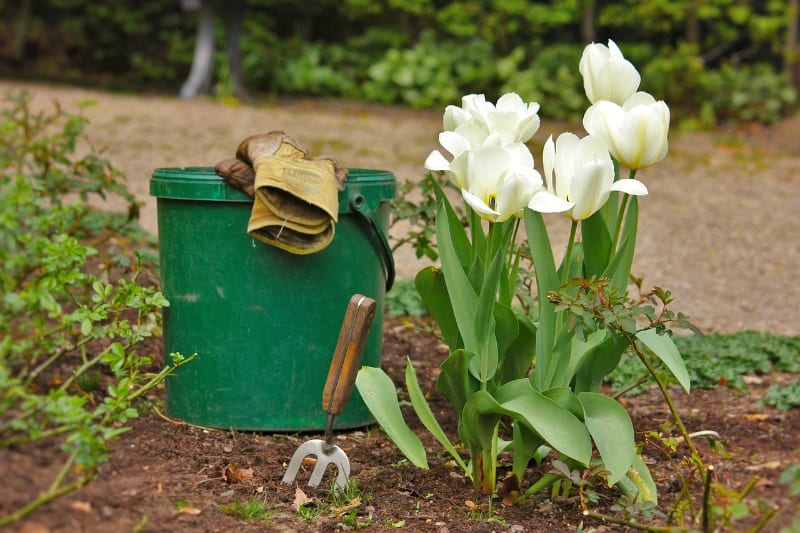
A surprising amount of gardening work comes from solving problems that could have been prevented earlier. Dry soil leads to more watering, while bare soil might encourage weeds. Similarly, temperature fluctuations stress out plants and create additional maintenance concerns. These are challenges every gardener has been frustrated with at least once. Thankfully, mulch addresses several of these issues at once.
Pascal Aspe, head gardener at the Terre Vivante ecological center, says that mulching is his best recommendation to keep gardens alive in dry spells. The fact is that you don’t need to spend money on mulch. You just need 2 to 4 inches of dead leaves from last autumn.
People think of mulch primarily as a finishing touch that makes beds look tidy. In reality, a proper layer of mulch helps retain moisture in the soil and even reduces the frequency of watering sessions. It also blocks sunlight from reaching weed seeds, which limits the number of unwanted plants that emerge throughout the growing season.
The reduction in weed growth alone can save significant amounts of time during the busiest parts of the year. Instead of spending weekends pulling weeds by hand, gardeners can focus on harvesting, pruning, or simply enjoying their outdoor space.
Frequently Asked Questions
1. What gardening tasks take the most time?
For many gardeners, weeding, watering, pruning, and pest management end up consuming the most time. These tasks often need to be repeated throughout the growing season rather than completed once. Harvesting can also become surprisingly time-intensive, especially when managing a large vegetable garden with multiple crops.
2. What are the benefits of raised garden beds?
Raised garden beds offer better drainage, improved soil control, and easier access for planting and harvesting. They can also reduce soil compaction caused by foot traffic and help keep weeds under control. Many gardeners find that raised beds make garden maintenance more organized and physically comfortable.
3. What are the most common gardening mistakes beginners make?
New gardeners often make the mistake of planting too much too soon, choosing plants that are unsuitable for their climate, or watering inconsistently. Poor spacing is another common issue, as crowded plants compete for sunlight and nutrients, which can lead to weaker growth and lower yields.
Key Numbers & Facts at a Glance
| Households that were gardening in 2023 | 81% |
| Average household gardening spend in 2020 | $458 |
| Average household gardening spend in 2023 | $671 |
| People who garden for relaxation | 64% |
| Average water use per American household | 82 gallons per day |
All things considered, efficient gardening rarely comes from working harder. More often, it comes from creating conditions that reduce unnecessary work throughout the growing season. This is why plant selection, watering strategies, and natural aids like mulch make gardening so much more manageable.
Everyone knows that you can always automate things these days, but if you’re passionate about gardening, that’s just not an option. The joy is in being with your garden and working in it. So, when you try to do things more efficiently, you’re ensuring it stays a fun hobby and not a full-time, unpaid job.

Ellen is a busy mom of a 29-year-old son and 33-year-old daughter. She owns nine blogs and is addicted to social media. She believes that it doesn’t have to be difficult to lead a healthy life. She shares simple healthy living tips to show busy women how to lead fulfilling lives. If you’d like to work together, email info@confessionsofanover-workedmom.com to chat.
