
Last Updated on March 3, 2026 by Ellen Christian
Have you ever watched your dog stare at the leash like it’s both a promise and a mystery? That tiny head tilt. The burst of tail wagging. The sudden zoomies across the living room. Walks are more than bathroom breaks, they’re stimulation, structure, and freedom all rolled into one.
Posts may be sponsored. This post contains affiliate links, which means I will make a commission at no extra cost to you should you click through and make a purchase. As an Amazon Associate I earn from qualifying purchases.

According to the 2025 APPA National Pet Owners Survey cited in the APPA’s State of the Industry Report, 94 million U.S. households have a pet, and about 68 million of those households own a dog, making dogs by far the most common companion animal in the country.
Preparation makes all the difference. Here are a few practical steps to make that first walk feel familiar rather than overwhelming for both you and your dog.
1. Assess Your Dog’s Temperament and Energy Level
Before you book anything, take a realistic look at your dog’s personality. Are they cautious around strangers? Instantly social? Easily overstimulated on busy sidewalks?
If you’re planning to work with Trails and Tails Dog Walking, knowing your dog’s tendencies helps create the right match and pace from the start. Some pups thrive on longer exploratory walks through neighborhood trails, while others prefer predictable routes and slower introductions, especially in busier areas of the city.
A thoughtful team will build their approach around those individual differences rather than applying the same structure to every dog. That flexibility matters in a place like Seattle, where sidewalks can shift from quiet residential blocks to lively intersections within minutes.
High energy? Easily distracted by waterfront smells? A little unsure in a steady drizzle? Sharing those details upfront makes the first walk feel intentional instead of experimental.

2. Practice Leash Manners at Home and in Low-Distraction Areas
Before your dog ever steps out with someone new, it helps to rehearse the simple things. Not in a strict way, just in small, everyday moments. Clip the leash on in the living room. Walk a slow circle in the yard. Pause at the door and wait for calm before stepping outside.
Leash manners aren’t about perfection. They’re about rhythm. A dog who understands that pulling doesn’t speed things up, and that stopping means “check in,” feels more grounded in new situations.
Think of it as a warm-up. When the basics feel familiar, the first professional walk becomes an extension of what they already know.
3. Schedule a Meet-and-Greet Before the First Walk
Dogs form impressions quickly, through scent, tone, and posture. A brief meet-and-greet gives them time to observe without pressure.
Keep it relaxed. No crowding or overexcitement. Let your dog approach at their own speed. Some dogs will immediately lean in for pets. Others may circle first. Both are normal.
That first interaction sets the tone. When walk day arrives, the person at the door won’t feel like a stranger, just someone familiar returning. It’s a small step. But it lowers stress in ways you’ll notice later.
4. Create a Consistent Walking Routine
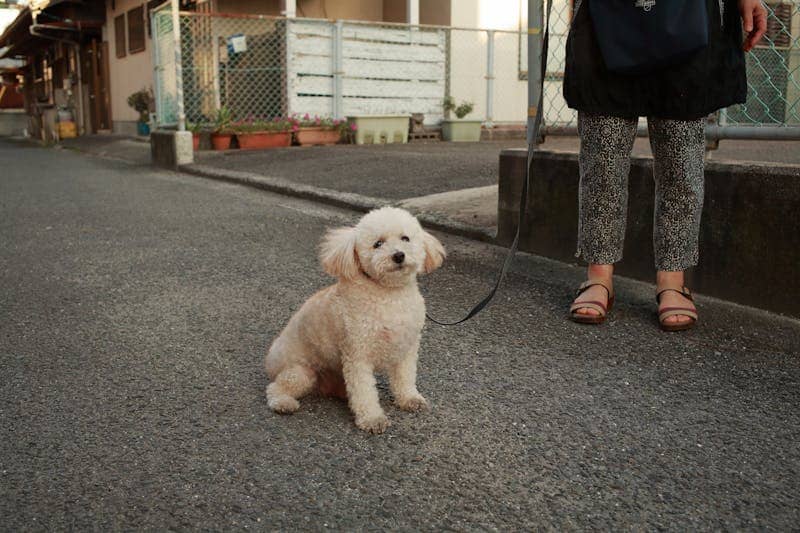
Dogs thrive on patterns. Feeding times, nap times, and walk times. Repetition builds comfort. If possible, begin adjusting your dog’s schedule to match the future walking window. Even shifting by 30 minutes each day can help.
Consistency reduces anxiety because the day becomes predictable. And predictable days help dogs feel secure.
The American Kennel Club notes that consistent daily walks support healthy weight, joint mobility, and better overall behavior in dogs. That first walk isn’t just a checklist item; it quietly shapes your dog’s physical health and emotional balance over time. The more routine the handoff feels, the less dramatic it becomes.
5. Share Clear Instructions and Emergency Information
Think beyond basic commands. Does your dog freeze when loud buses pass? Pull toward other dogs? Have food sensitivities? Write everything down, like the emergency contact numbers, vet information, preferred routes, and the behavioral triggers.
Transparency prevents guesswork and also builds trust. A walker who understands your dog’s full picture can respond confidently if something unexpected happens. This isn’t about being overprotective. It’s about setting everyone up for success.
6. Prepare the Right Gear and Safety Essentials
Seattle weather doesn’t commit to one mood. Mist, drizzle, wind, sometimes all before lunch. Make sure your dog’s harness fits properly and isn’t worn or frayed. ID tags should be updated. If your dog tolerates it, a light rain jacket can make wet days more comfortable.
Keep a towel by the door. Paw wipes help after muddy trails. Small details prevent bigger inconveniences later. Comfort influences behavior. If your dog feels physically secure, they’re more likely to stay relaxed during the walk.
7. Start With Short Walks and Gradually Increase Duration
The first walk doesn’t need to be an hour-long adventure. Shorter sessions allow your dog to adjust to the new dynamic without overwhelm.
Observe their behavior afterward. Are they relaxed? Resting comfortably? Excited but calm? Gradually increase duration as confidence builds.
Dogs adapt quickly when experiences are positive and consistent. Rushing rarely helps. Gradual exposure, on the other hand, builds resilience. Let the relationship grow naturally.
RELATED: How to Spot High Quality Bully Sticks
Remember That Trust Takes Time
The first professional walk isn’t just a service, it’s a new relationship. Dogs don’t automatically transfer trust from their owner to someone else. That trust builds through repetition, tone of voice, pacing, and small positive experiences layered over time.
You might notice your dog watching the door differently after a few visits. Less uncertainty. More anticipation. That shift doesn’t happen because everything was perfect on day one. It happens because the experience stayed consistent.
Give it space to unfold. When a dog feels secure with both you and the person holding the leash, walks stop feeling like a handoff and become an extension of home.
Conclusion
Letting someone else hold your dog’s leash for the first time can feel surprisingly personal. It’s not just about scheduling help, it’s about sharing responsibility for something you care about deeply.
But preparation changes the tone. A thoughtful introduction, steady routines, clear communication, and a little patience can turn that first walk from a question mark into something steady and familiar.
Seattle’s sidewalks, parks, and rain-soaked trails aren’t going anywhere. With the right groundwork, your dog won’t just adjust to professional walks, they’ll grow into them. And one day soon, when the door opens and the leash clips on, the excitement won’t come with hesitation.

Ellen is a busy mom of a 29-year-old son and 33-year-old daughter. She owns nine blogs and is addicted to social media. She believes that it doesn’t have to be difficult to lead a healthy life. She shares simple healthy living tips to show busy women how to lead fulfilling lives. If you’d like to work together, email info@confessionsofanover-workedmom.com to chat.
