
Last Updated on March 2, 2026 by Ellen Christian
The Colosseum has fascinated travelers for centuries. Standing in the heart of Rome, the ancient amphitheater is a reminder of how advanced Roman engineering and entertainment once were. Every year, millions of visitors walk through its arches to imagine what it must have been like when gladiators stepped into the arena, and thousands of spectators filled the stands.
Posts may be sponsored. This post contains affiliate links, which means I will make a commission at no extra cost to you should you click through and make a purchase. As an Amazon Associate I earn from qualifying purchases.
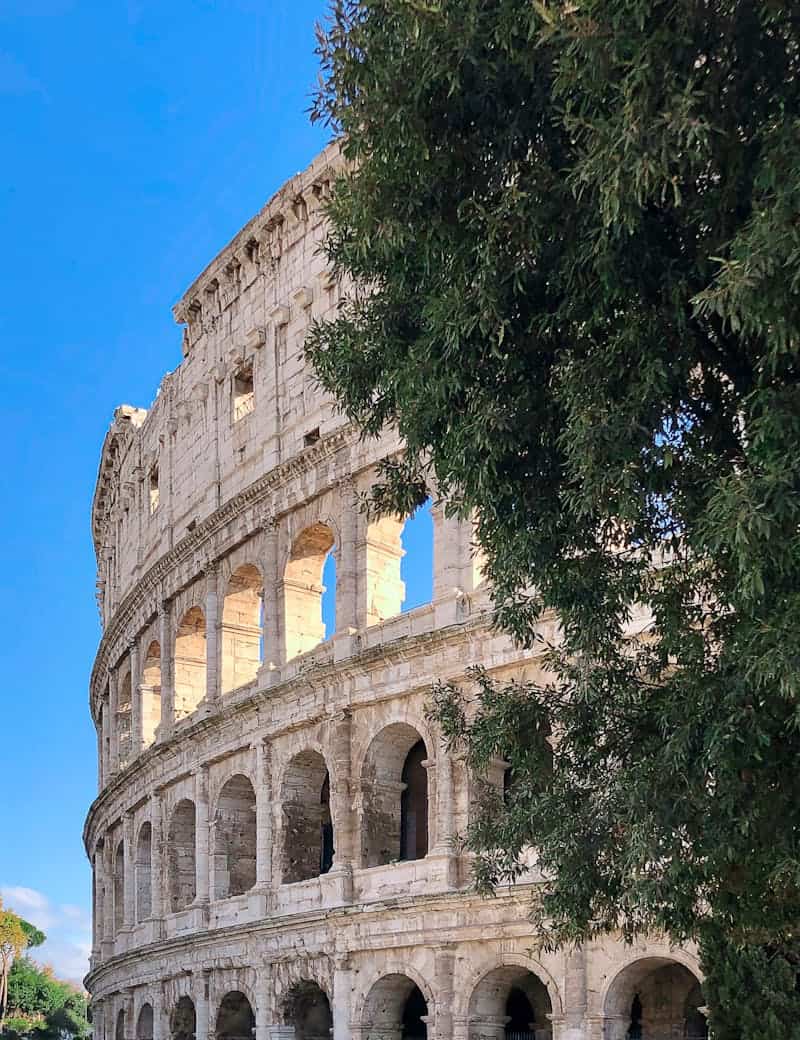
While most visitors explore the monument’s main levels, some choose experiences that offer access to sections not included in standard entry. The underground arena experience is one of those options, offering a closer look at the hidden parts of the structure where much of the action once began. Since these visits are more specialized and limited, understanding how they work before booking can help travelers plan their day more effectively.
Knowing what to expect ahead of time can make the experience smoother and far more meaningful.
1. Underground Access Is Limited
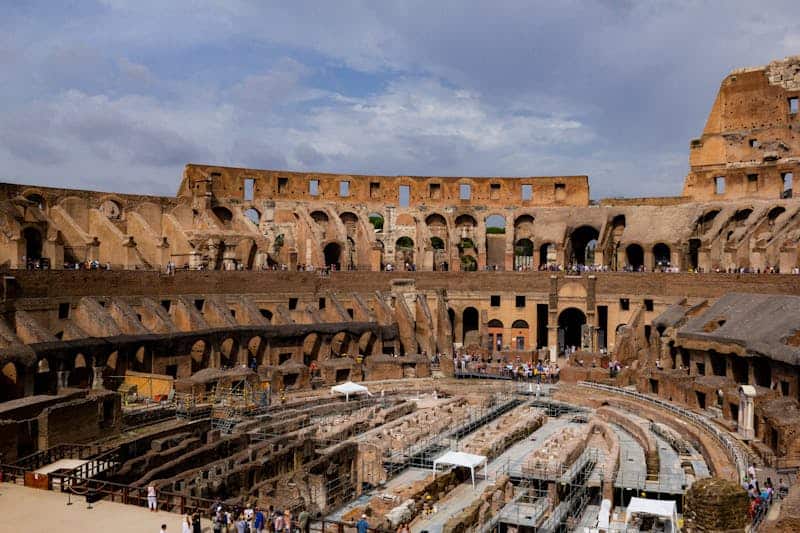
One of the most important things to understand before planning your visit is that the underground section of the Colosseum is not open to everyone. These areas, known as the hypogeum, were once used to prepare animals, gladiators, and elaborate stage effects before events took place in the arena above. Because the tunnels are historically sensitive and space is limited, access is typically controlled through guided experiences.
For this reason, many travelers look for the Colosseum underground tour well in advance of their trip. These tours usually include entry to the underground corridors and access to the arena floor. Remember, since these tours are limited, they are often listed in advance on travel booking platforms. One such platform is Tickets&Tours, which features organized sightseeing experiences for visitors planning their trip.
2. The Tour Includes Areas Standard Visitors Do Not See
Standard Colosseum tickets usually allow access to certain viewing levels, corridors, and sections of the monument. While these areas still provide impressive views of the arena and architecture, they do not always reveal how the structure actually operated during events.
Underground arena tours offer a deeper perspective. Visitors are able to walk through passages beneath the arena where staging, preparation, and mechanical operations once took place.
These tunnels held animals, performers, and equipment before they were lifted into the arena through trapdoors. Seeing these areas helps visitors understand how complex and organized the events inside the Colosseum truly were.

3. Guided Tours Add Meaning to the Experience
Walking through an ancient monument is fascinating in its own right, but understanding the stories behind the structure can make the visit even more engaging. Guided tours often provide historical context, explaining how the Colosseum was used, who participated in its events, and how the building functioned in ancient Roman society.
Guides may describe the daily lives of gladiators, the logistics behind staging large spectacles, and the political significance of the games. They also point out architectural details that might otherwise go unnoticed, such as the design of corridors, seating arrangements, and mechanisms for moving animals or scenery into the arena.
RELATED: When Should You Book Alhambra Palace Tickets
4. Experience Is More Immersive
Many visitors describe the underground tour as feeling more immersive than simply viewing the Colosseum from above. Standing beneath the arena floor lets you picture how participants moved through the structure before entering the spotlight.
Instead of only observing the monument from a distance, visitors become part of the environment where the action once took place. This deeper level of exploration often changes how people understand the Colosseum, making the visit feel more connected to the history of ancient Rome.
5. Expect to Walk Through Historic Surfaces
The Colosseum is an ancient structure, and exploring it involves navigating stone pathways, staircases, and uneven surfaces that have existed for centuries. The underground areas, in particular, include narrow passages and historic floors that require comfortable footwear.
Visitors who arrive prepared with supportive shoes often find the experience much more enjoyable. Since the tour may last several hours and include multiple sections of the monument, being comfortable while walking can make a noticeable difference.
6. Plan the Rest of Your Day Around the Tour
The Colosseum is surrounded by several other important archaeological sites, including the Roman Forum and Palatine Hill. Many visitors combine these locations into the same day of exploration.
Because the underground tour itself is fairly detailed and time-consuming, leaving room in your schedule can help prevent the day from feeling rushed. Allowing extra time also makes it easier to appreciate the surrounding historical areas and enjoy the atmosphere of ancient Rome without constantly checking the clock.
Conclusion
The Colosseum continues to capture the imagination of travelers from around the world. While standard visits are still impressive, exploring the underground sections offers a rare opportunity to see how the monument functioned behind the scenes.
By understanding what the tour involves and planning ahead, visitors can turn a simple sightseeing stop into a deeper journey through Roman history.

Ellen is a busy mom of a 29-year-old son and 33-year-old daughter. She owns nine blogs and is addicted to social media. She believes that it doesn’t have to be difficult to lead a healthy life. She shares simple healthy living tips to show busy women how to lead fulfilling lives. If you’d like to work together, email info@confessionsofanover-workedmom.com to chat.
