
Last Updated on November 26, 2026 by Ellen Christian
The atmosphere of a dinner party begins to take shape as soon as guests enter the dining room. Before they notice the details of the menu or the arrangement of the table, they register the overall appearance of the space. Wall art contributes to that first impression by introducing color, imagery, texture, and visual rhythm. A large abstract painting with bold shapes and saturated colors can create an immediate sense of excitement, making the room feel suited to a spirited gathering. By contrast, a delicate botanical illustration or a muted landscape may suggest a more intimate occasion where guests can settle into unhurried conversation. Artwork becomes part of the room’s emotional vocabulary, communicating an atmosphere without requiring any explanation from the host.
Posts may be sponsored. This post contains affiliate links, which means I will make a commission at no extra cost to you should you click through and make a purchase. As an Amazon Associate I earn from qualifying purchases.
The subject matter of a piece can be just as influential as its color palette. Art featuring expansive natural scenery may give a dining room an open, restorative quality, even when the room itself is relatively small. Figurative paintings can introduce warmth and human interest, particularly when their expressions or compositions suggest connection and movement. Geometric abstractions often convey a more contemporary sensibility, making them appropriate for gatherings built around creative menus or modern entertaining traditions. These associations are not universal, since personal experience and cultural background shape how people interpret images. Nevertheless, a carefully chosen work can reinforce the emotional direction a host wants to establish.
Consistency between the artwork and the intended occasion helps create a more convincing atmosphere. A formal anniversary dinner may benefit from restrained compositions and elegant framing, while a casual gathering among friends can accommodate playful prints and unexpected combinations. The goal is not to redesign the dining room for every event but to establish an adaptable visual foundation. Artwork with a balanced palette and an engaging subject can complement different table settings, flowers, and seasonal decorations. This flexibility is especially valuable for people who entertain frequently and want their dining room to feel welcoming across a variety of occasions. When the room’s visual character supports the evening’s purpose, guests are more likely to experience the setting as cohesive rather than assembled from unrelated decorative elements.
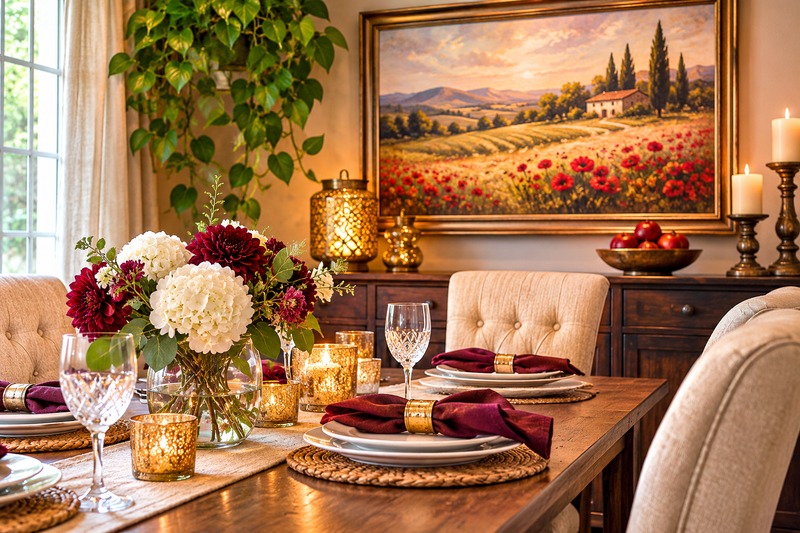
Color in Wall Art Influences the Energy of a Dinner Party
Color is one of the most immediately recognizable characteristics of wall art, and it can strongly influence the perceived energy of a dining space. Warm shades such as terracotta, amber, burgundy, and ochre often create a sense of richness and familiarity. In a room with soft lighting and natural materials, these colors can reinforce the impression of warmth that many hosts seek during evening gatherings. Cooler tones, including blue, sage, and muted gray, may produce a calmer visual environment that feels measured and composed. Brighter accents introduce contrast and excitement, especially when they appear against neutral walls or understated furnishings. The effect depends on how the artwork’s colors interact with the room as a whole rather than on any individual shade alone.
Choosing artwork involves understanding how colors, materials, and finishes affect visual balance. A dining room with dark wooden furniture and neutral upholstery may benefit from artwork that adds depth without overwhelming the existing palette. In minimalist settings, vibrant paintings can create an engaging focal point. The medium and finish also influence how artwork interacts with surrounding furnishings, making different styles worth considering. For example, iCanvas, a Chicago-based wall art company and online marketplace, offers ready-to-hang works from independent artists, licensed estates, and cultural institutions across canvas, fine art paper, acrylic glass, wood, and metal. Its curated selection of wall art for dining spaces helps homeowners explore how artistic subjects, colors, and finishes complement different interiors. Ultimately, the right artwork should harmonize with existing furnishings while supporting the atmosphere guests experience during a dinner party.
The relationship between artwork and table decoration deserves particular attention because both occupy the same visual environment. A painting dominated by deep green and gold, for example, may be complemented by cream linens, greenery, and restrained metallic accents. Repeating a secondary color from the artwork in napkins or flowers can create visual continuity without making the arrangement appear overly coordinated. When the artwork contains several strong colors, the table may benefit from simpler decorative choices that allow the surrounding walls to retain their impact. Conversely, monochromatic artwork can provide a sophisticated backdrop for colorful dinnerware or elaborate floral arrangements. Hosts should also observe the room under artificial light, since colors that appear subtle during the day can look dramatically different in the evening. This coordination allows wall art to participate in the dinner party’s visual presentation without overwhelming the food or the guests.
If your kitchen doubles as your dining room, these tips for creating a peaceful kitchen area can help you establish a welcoming atmosphere through calming colors, thoughtful lighting, and simple decorative accents.
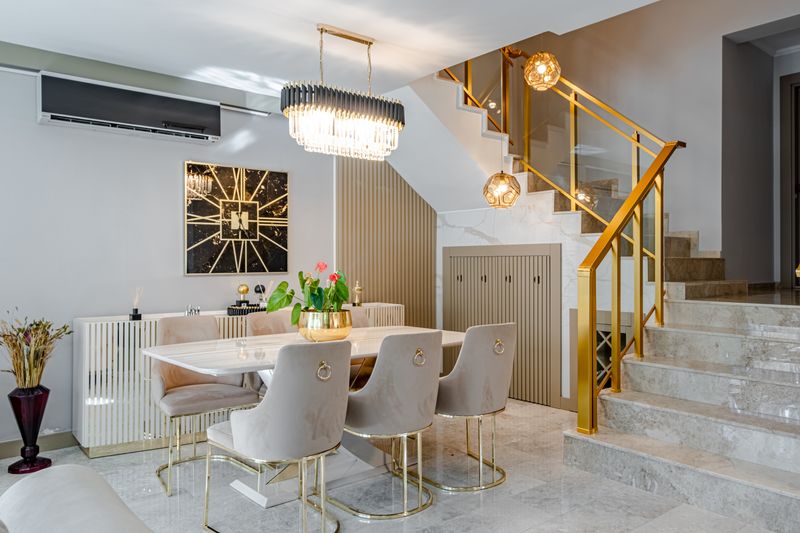
Artwork Creates Focal Points That Shape the Dining Experience
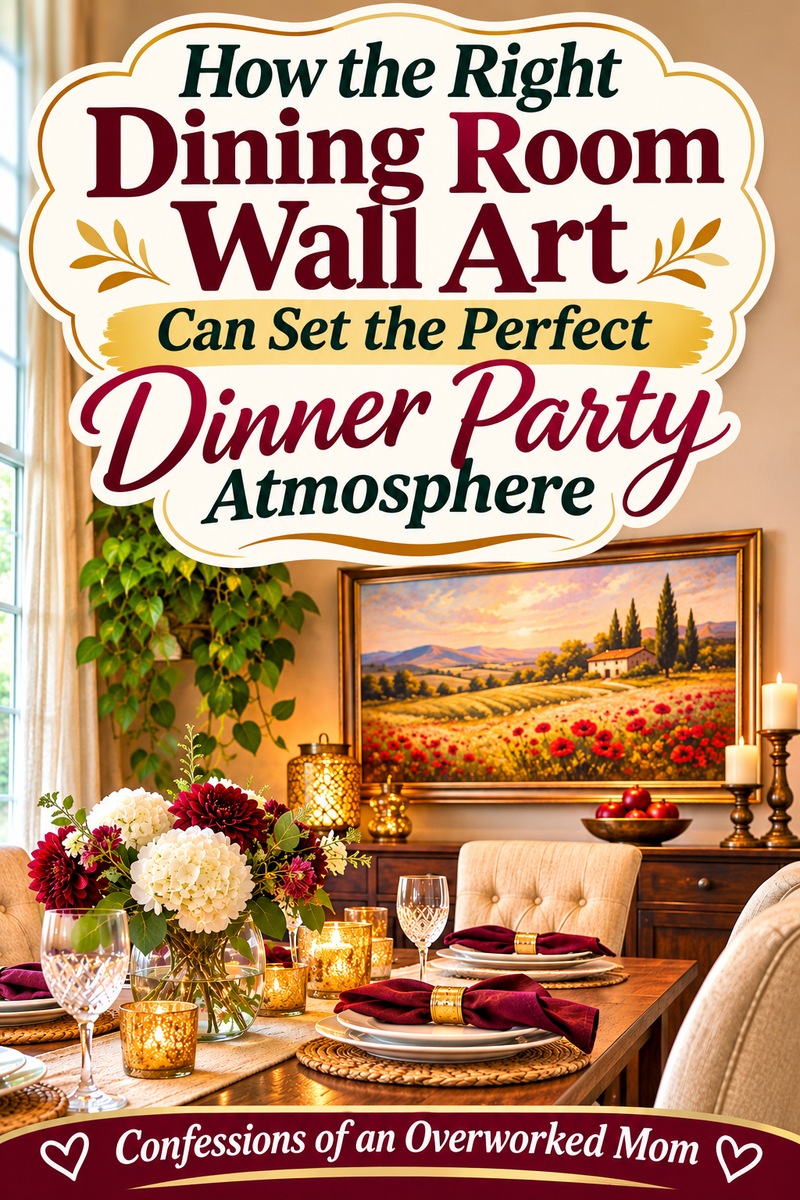
Every thoughtfully designed room benefits from a clear visual hierarchy, and the dining room is no exception. A focal point gives guests a natural place to direct their attention when entering or surveying the space. Wall art often serves this function more effectively than smaller decorative objects because it occupies a prominent position at eye level. A substantial painting above a sideboard can establish the room’s central visual identity, particularly when surrounding furnishings are relatively understated. Its scale and placement can make the dining area feel more intentional, suggesting that each element has been selected with care. For a dinner party, this sense of organization contributes to an environment that feels composed and welcoming.
The location of artwork affects how guests experience it from different positions around the table. A piece placed opposite the dining room entrance creates an immediate impression, while artwork along a side wall becomes more noticeable once everyone is seated. In narrow rooms, a horizontal composition may emphasize width and help the space appear more expansive. Vertical artwork can draw attention upward, making the ceiling feel more prominent and introducing a sense of architectural height. A gallery arrangement can distribute visual interest across a larger area, although it requires careful spacing to avoid appearing cluttered. The most effective placement balances visibility with comfort, ensuring that guests can appreciate the artwork without feeling surrounded by excessive visual stimulation.
Scale is equally important because artwork that is too small may disappear against a large wall, while an oversized composition can dominate a modest dining room. Above a sideboard, a useful starting point is artwork measuring roughly two-thirds to three-quarters of the furniture’s width, although the room’s proportions may justify a different arrangement. A single large piece often creates a calmer impression than several unrelated small works because it reduces the number of competing visual elements. Multiple pieces can be equally effective when they share a consistent framing style, subject, or color relationship. The distance between artwork and furniture should also be considered, particularly where decorative lighting, serving dishes, or tall floral arrangements are present. Thoughtful proportions allow art to anchor the room while leaving sufficient visual space for the table and its occupants. The result is a dining environment that feels polished without sacrificing the comfort essential to entertaining.
Wall Art Encourages Conversation and Social Connection
Dinner parties are fundamentally social occasions, and the most successful gatherings often depend on conversation that develops naturally. Wall art can contribute to this process by offering guests a shared subject that exists outside their immediate personal experiences. An unusual photograph, a striking abstract composition, or a painting with an intriguing narrative may prompt questions about its subject, origin, or meaning. Such exchanges are particularly useful when guests are meeting for the first time and have not yet established common ground. Unlike a formal conversation prompt, artwork invites interpretation without demanding participation. Guests can engage with it casually, allowing discussion to develop at a comfortable pace.
Art can be especially effective as a conversation starter when it contains ambiguity or unexpected details. Abstract works often encourage viewers to describe what they see, revealing differences in perception that can lead to playful exchanges. Travel photography may inspire stories about destinations, cultural experiences, and memorable encounters. Historical imagery can introduce discussions about architecture, fashion, or social change, while contemporary art may raise questions about creative expression and personal taste. These conversations can become more engaging when the host shares a genuine reason for selecting a particular piece. A personal connection to an artist, subject, or location gives the artwork a narrative that extends beyond its decorative role.
The social value of artwork also depends on how it is presented within the room. A visually crowded gallery wall may offer numerous conversation topics but can make it difficult for guests to focus on any individual piece. A single distinctive work, positioned where several people can see it, often provides a more accessible point of discussion. Hosts need not select provocative or controversial images simply to generate conversation, since even quiet compositions can evoke meaningful personal responses. Artwork connected to local culture, travel, nature, or familiar experiences can be particularly effective at creating common ground. The intention is not to turn dinner into an art discussion but to make the surroundings interesting enough to support spontaneous interaction. When visual elements encourage curiosity, they can help transform a gathering from a sequence of courses into a more memorable shared experience.
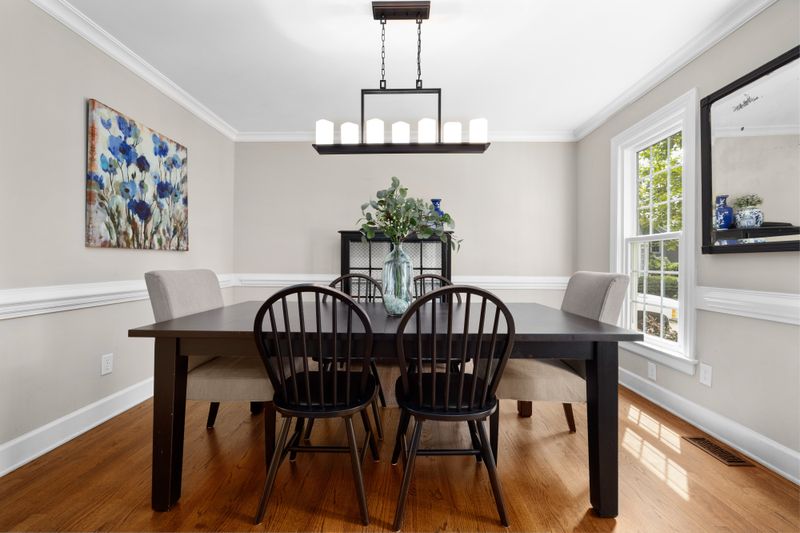
The Interaction Between Wall Art and Lighting Changes the Mood
Lighting has a substantial influence on how wall art appears, and its effect becomes especially noticeable during evening entertaining. Natural daylight reveals colors and details differently from warm lamps, chandeliers, or candlelight. A painting that appears vibrant in the afternoon may take on a softer, more atmospheric character under dimmed lighting. Textured surfaces can produce subtle shadows that make the artwork appear more dimensional, while glossy finishes may reflect nearby light sources. These changes affect not only the work itself but also the perceived character of the room. A dining space that feels bright and informal during the day can become considerably more intimate after sunset without any change to its furniture or artwork.
The positioning of light sources determines whether artwork enhances the atmosphere or creates visual distractions. Picture lights and adjustable wall fixtures can illuminate important works while preserving the room’s overall softness. Recessed lighting can provide a more discreet solution when fixtures are positioned to minimize glare. Candles introduce movement and warmth, but they may also create reflections on glass-covered artwork or highly polished surfaces. Diffuse illumination is generally more comfortable than a harsh spotlight directed toward guests seated near the art. Hosts should consider the viewing angle from each place at the table, since an attractive lighting arrangement from the doorway may be uncomfortable from a seated position. Evaluating these perspectives helps maintain both visual appeal and practical comfort.
Different artistic media also respond to lighting in distinct ways. Canvas surfaces often exhibit less obvious glare than smooth glass, making them suitable for dining rooms with several light sources. Fine art paper may require glazing for protection, and the type of glazing can influence reflections and color visibility. Metal and acrylic surfaces can introduce luminosity and depth, although their reflective qualities demand more deliberate lighting placement. Artwork with pronounced texture may benefit from illumination that reveals its surface without creating distracting shadows. For dinner parties, the objective is rarely maximum brightness but a balanced environment in which people, food, and artwork remain comfortably visible. When lighting and wall art are considered together, they can create an atmosphere that feels more layered and sophisticated than either element could achieve independently.
Lighting choices can also affect the condition of your artwork over time. According to the Smithsonian Institution, excessive light exposure can damage light-sensitive artwork, including prints, photographs, and watercolors. Consider avoiding direct sunlight when selecting a location for these pieces.
Artistic Style Communicates the Character of the Gathering
The style of artwork displayed in a dining room can communicate subtle expectations about the gathering itself. Traditional landscapes, still-life paintings, and classical compositions may suggest an appreciation for continuity, craftsmanship, and established entertaining customs. Contemporary abstract works can create an environment that feels experimental, expressive, and less constrained by convention. Minimalist photography may introduce a sense of restraint, making the room appropriate for a carefully composed meal where presentation receives particular attention. Eclectic collections convey a different character, often suggesting curiosity, individuality, and a willingness to combine unexpected influences. None of these associations dictates how guests will behave, but each contributes to the impression established by the surroundings.
The relationship between artistic style and interior architecture is another consideration. In a room with ornate molding, antique furniture, or traditional detailing, contemporary artwork can introduce a compelling contrast. A minimalist dining room may gain personality from a richly textured painting or a vintage-inspired composition. These combinations work best when some common element, such as color, proportion, or material, connects the artwork with the wider space. Excessive stylistic consistency can sometimes make a room feel predictable, while too many unrelated influences may weaken its visual identity. A deliberate mixture of old and new allows a dining room to express individuality without losing coherence. For dinner parties, this balance can create a setting that feels distinctive yet accessible.
Artistic style also offers hosts an opportunity to establish a recognizable approach to entertaining. Someone who regularly organizes informal dinners may favor vibrant compositions and an evolving gallery wall that reflects changing interests. A host who prefers smaller, more formal gatherings may choose a few substantial works that establish a quieter sense of refinement. Neither approach is inherently more successful because the effectiveness of the artwork depends on its relationship to the people and occasions it serves. The most convincing dining rooms typically reflect genuine preferences rather than an attempt to imitate a particular design trend. Guests often respond positively to spaces that appear personal and thoughtfully assembled. A consistent visual identity can therefore make dinner parties feel more distinctive, even when the menu and guest list change from one occasion to another.
Wall Art Alters the Perceived Size and Intimacy of a Dining Room
The physical dimensions of a dining room remain fixed, but visual design can influence how spacious or enclosed it feels. Wall art plays a role in this perception through its scale, composition, color, and placement. Large paintings featuring distant landscapes or architectural perspectives can suggest depth beyond the boundaries of the wall. Lighter compositions may contribute to an impression of openness, particularly in rooms with pale finishes and adequate lighting. Darker, densely detailed works can make a space feel more enclosed, which may be desirable when creating an intimate evening atmosphere. These effects are most convincing when the artwork works with the room’s existing proportions rather than attempting to disguise them.
In smaller dining rooms, carefully selected artwork can add personality without consuming valuable floor space. A single statement piece may provide enough visual interest to reduce the need for additional decorative furnishings. Artwork with generous negative space can prevent compact rooms from feeling overly busy, especially when the dining table occupies much of the available area. Frames with slim profiles can create a lighter appearance, while larger frames may introduce a sense of structure and formality. Placement should account for the limited viewing distance, since highly detailed or oversized pieces may be difficult to appreciate from nearby seats. The objective is to create a room that feels comfortable and visually complete rather than merely trying to make it appear larger. Thoughtful selection can help a compact dining area feel like an intentional setting for intimate gatherings.
Larger dining rooms present a different challenge because generous dimensions can sometimes make a gathering feel visually disconnected. Substantial artwork can help establish areas of interest and reduce the impression of empty wall space. A series of coordinated works may create continuity along a long wall, drawing the eye through the room without overwhelming any single location. Warm colors, textured surfaces, and appropriately scaled frames can contribute to a more inviting atmosphere. Artwork may also visually connect the dining table with architectural elements such as a fireplace, alcove, or built-in cabinet. When these relationships are considered carefully, even a spacious room can feel suited to close conversation. The perceived intimacy of a dinner party often depends less on the room’s actual size than on how successfully its visual elements create a sense of connection.
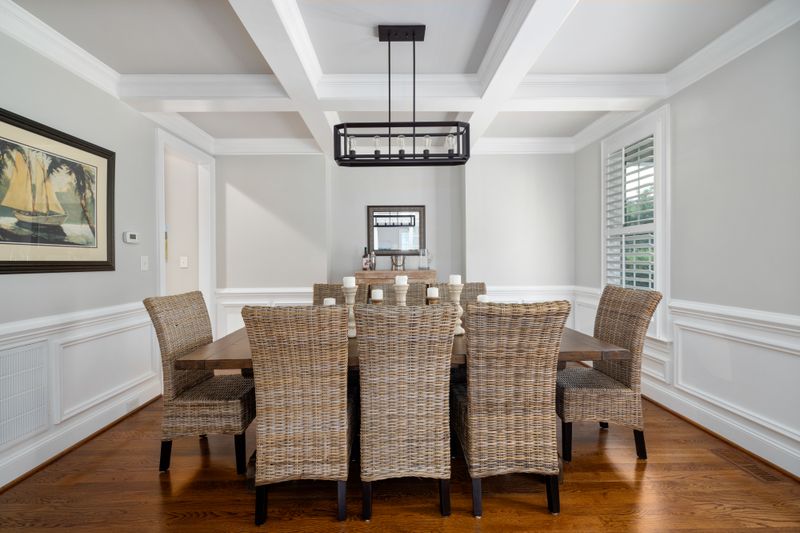
Wall Art Connects the Table Setting to the Surrounding Interior
The dining table usually receives considerable attention before a party, with hosts selecting linens, dinnerware, flowers, and candles to suit the occasion. Yet these elements are experienced within the larger visual context of the room. Wall art can connect the temporary arrangement on the table with the permanent furnishings and architectural details surrounding it. A painting with earthy colors may complement ceramic serving pieces, wooden furniture, and natural textiles. A black-and-white photographic collection might provide an elegant backdrop for sculptural centerpieces and understated dinnerware. These relationships create continuity between the immediate dining experience and the broader interior.
The principle of visual repetition can help achieve this connection without requiring exact color matches. A subtle blue accent in a painting might reappear in patterned napkins, while a curved form in an abstract work could be echoed by a rounded vase. Repetition allows the eye to move comfortably between the walls and the table, producing a sense of order. However, too much coordination can make an arrangement appear staged rather than personal. Variation in scale, texture, and intensity prevents the room from becoming monotonous. A successful dining environment usually combines recognizable relationships with enough contrast to remain interesting. This balance allows artwork and table decorations to support one another without competing for attention.
Wall art can also provide a stable reference point as table settings change throughout the year. During autumn, warm-toned artwork may be complemented by natural foliage and deeper textiles. In spring, the same work might appear lighter when paired with fresh greenery, pale linens, and simple glassware. For festive occasions, metallic accents or richer fabrics can introduce formality without requiring new artwork. This adaptability makes a thoughtfully curated dining room more practical for hosts who entertain regularly. Rather than treating each dinner party as an entirely separate design project, they can build on the room’s established visual identity. The result is an interior that accommodates changing occasions while retaining a consistent character.
Personal and Meaningful Artwork Makes Dinner Parties More Memorable
The most memorable dining rooms are not necessarily those containing the most expensive or visually dramatic artwork. Often, their appeal comes from objects that reveal something about the people who live there. A painting purchased during a meaningful trip, a photograph taken by a family member, or a print by a favorite artist can introduce a sense of personal history. These works give the room a character that cannot be reproduced through coordinated furniture and accessories alone. During a dinner party, they may become starting points for stories that help guests understand their host’s experiences and interests. This personal dimension can make the environment feel more authentic and welcoming.
Meaningful artwork can also create continuity between gatherings that take place years apart. Guests who return to the same dining room may recognize familiar works and associate them with previous conversations or celebrations. Over time, the artwork becomes part of the setting in which shared memories develop. A new addition to a collection may prompt discussion, while an older piece can evoke recollections of earlier occasions. This relationship between objects and experiences contributes to the emotional significance of a home. Although artwork does not independently create meaningful social connections, it can provide visual reminders that reinforce them. Its lasting presence distinguishes it from temporary decorations that disappear after the evening concludes.
Selecting personal artwork does not require every piece to have an elaborate history. A composition may be meaningful simply because its colors are comforting, its subject is fascinating, or its style reflects an enduring preference. The important distinction is between choosing artwork solely to satisfy a design convention and selecting pieces that genuinely contribute to the experience of living in the space. Dining rooms benefit from this authenticity because entertaining invites others into a relatively personal environment. Guests encounter not only the host’s hospitality but also the aesthetic decisions that shape the home. When these choices feel sincere, the dining room can become a more compelling setting for conversation and celebration. The artwork ultimately contributes to the individuality of an occasion that no carefully replicated decorative formula can fully reproduce.
Thoughtful Art Curation Creates a Lasting Atmosphere for Entertaining
Building an effective dining room art arrangement requires attention to the overall experience rather than the appeal of individual pieces in isolation. A painting may look exceptional in a gallery or online but feel less successful once placed beside particular furniture, lighting, or architectural details. Before making a selection, homeowners should consider the room’s dominant colors, wall dimensions, viewing distances, and usual lighting conditions. They should also think about how the dining room is used, including whether it hosts formal meals, family gatherings, or frequent social occasions. These practical considerations help narrow the range of suitable subjects, formats, and sizes. The strongest arrangements emerge when aesthetic preferences are balanced with the realities of the space.
Curation also involves understanding when to leave portions of the walls undecorated. Empty space provides visual relief and allows important works to command attention without competition. In a dining room with elaborate wallpaper, dramatic lighting fixtures, or richly patterned upholstery, a restrained artwork arrangement may be more effective than a large collection. Conversely, a room with simple furnishings and neutral walls may benefit from a bolder visual statement. It is worth evaluating the arrangement while standing at the entrance and while seated at the table, since the room can appear substantially different from these perspectives. Adjustments to height, spacing, or framing may have as much impact as replacing the artwork itself. A deliberate approach creates visual clarity and helps the room remain comfortable during extended meals.
Finally, a dining room art collection should be allowed to evolve as tastes and entertaining habits change. A home that once hosted large, energetic gatherings may eventually become a setting for smaller dinners and quieter celebrations. Changes in furniture, lighting, or wall color can also alter how existing artwork appears. Periodically reconsidering the arrangement allows homeowners to preserve pieces they value while improving the room’s overall balance. This does not mean following every new design trend or replacing artwork whenever preferences shift. Instead, it means treating the dining room as a living environment whose visual character can develop gradually. The resulting atmosphere is more likely to remain relevant, personal, and inviting over time.
Dining Room Accessories for a Welcoming Atmosphere
Complement your dining room wall art with thoughtfully selected accessories that help create a cohesive and inviting space for entertaining.
- Elegant table runners: Choose colors that complement the artwork on your walls.
- Flameless LED candles: Create a warm, inviting glow without an open flame.
- Decorative ceramic vases: Add texture and visual interest to your table or sideboard.
- Cloth napkins: Incorporate accent colors from your favorite artwork into your table setting.
These simple finishing touches can help bring your dining room decor together without requiring a complete makeover.
To Conclude
Dining room wall art influences a dinner party in ways that extend well beyond decoration. It establishes the emotional tone of the space, shapes perceptions of color and scale, interacts with lighting, and provides opportunities for conversation. Its relationship with furniture and table settings helps determine whether the room feels cohesive, while its subject matter and style contribute to the identity of the gathering. These effects may be subtle, but together they influence how guests experience the environment throughout the evening. Thoughtfully selected artwork can make a modest dining room feel considered and a formal setting feel more personal. Its value lies in supporting the human experience taking place around the table.
The most effective approach is to choose artwork that reflects both the character of the home and the needs of the people who gather there. Rather than focusing exclusively on trends, hosts benefit from considering proportion, lighting, personal meaning, and visual harmony. A distinctive painting, a carefully arranged series of photographs, or an understated collection of prints can each contribute to a successful dinner party when placed in the right context. Good wall art does not need to demand attention to make an impression. Often, its greatest achievement is creating a setting where guests feel comfortable enough to linger, talk, and enjoy the occasion. Long after the table has been cleared, that sense of atmosphere can remain one of the evening’s most enduring impressions.

Ellen is a busy mom of a 29-year-old son and 33-year-old daughter. She owns nine blogs and is addicted to social media. She believes that it doesn’t have to be difficult to lead a healthy life. She shares simple healthy living tips to show busy women how to lead fulfilling lives. If you’d like to work together, email info@confessionsofanover-workedmom.com to chat.
