Last Updated on May 19, 2026 by Ellen Christian
Practical tips for dealing with plantar fasciitis after 45, including supportive footwear, stretching, recovery habits, and simple ways busy women can reduce daily foot pain naturally.
Posts may be sponsored. This post contains affiliate links, which means I will make a commission at no extra cost to you should you click through and make a purchase. As an Amazon Associate I earn from qualifying purchases.
Tips for Dealing With Plantar Fasciitis After 45
If you are a busy woman over 45, foot pain can quickly affect every part of your day. From standing in the kitchen to walking through stores, running errands, or trying to stay active, plantar fasciitis can make even simple routines uncomfortable. Many women start looking into supportive shoes, stretching routines, and Plantar fasciitis inserts once heel pain begins interfering with daily life. The good news is that small changes in your routine can often make a noticeable difference over time.
Plantar fasciitis happens when the thick band of tissue along the bottom of the foot becomes irritated and inflamed. It commonly causes sharp heel pain, especially first thing in the morning or after long periods of sitting. While it can feel frustrating, there are practical ways to manage discomfort while still maintaining an active lifestyle.
What Causes Plantar Fasciitis?
Plantar fasciitis often develops gradually. For women over 45, several factors may contribute to the condition, including:
*Aging and natural loss of flexibility
*Long hours standing on hard floors
*Wearing unsupportive shoes
*Weight gain that adds pressure to the feet
*Tight calf muscles
*High-impact exercise routines
Many women ignore early symptoms until the pain becomes difficult to manage. Paying attention to foot discomfort early can help prevent the condition from becoming more severe.
Choose Supportive Footwear
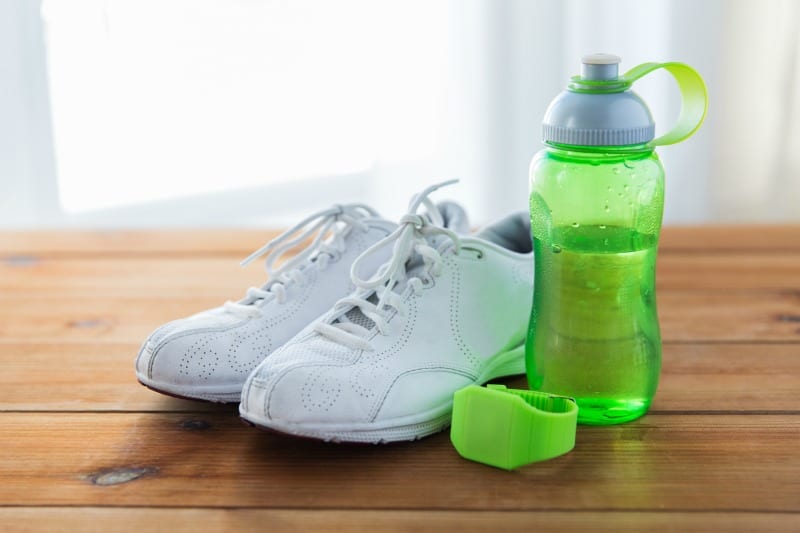
One of the most important changes you can make is wearing supportive shoes throughout the day. Walking barefoot on hard floors may worsen heel pain, especially at home.
Look for shoes that provide:
*Arch support
*Cushioned soles
*Firm heel support
*Shock absorption
*Proper fit with room for toes
Many women find relief by keeping supportive slip-on shoes or sandals near the bed for those painful first morning steps.
Use Inserts for Extra Support
Supportive inserts can help reduce strain on the plantar fascia by improving alignment and cushioning the heel. Some women prefer over-the-counter inserts, while others may benefit from custom orthotics recommended by a podiatrist.
The goal is to provide additional support where the foot needs it most. Inserts can be especially helpful for women who spend long hours on their feet during work or caregiving responsibilities.
RELATED: Treatments for Plantar Fasciitis that Worked for Me

Stretch Your Feet and Calves Daily
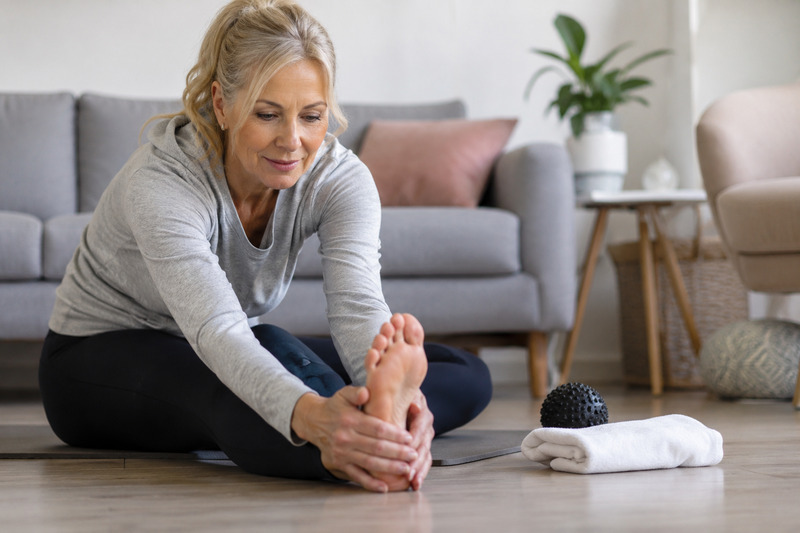
Tight calf muscles and stiff foot tissues often contribute to plantar fasciitis pain. Gentle stretching can improve flexibility and reduce tension.
Simple stretches include:
*Calf stretches against the wall
*Rolling the foot over a frozen water bottle
*Toe stretches using a towel
*Seated foot flexes
*Morning stretching before getting out of bed
Consistency matters more than intensity. Even five minutes daily can help over time.

Avoid Overdoing Exercise
Staying active is important for healthy living, but high-impact workouts can sometimes aggravate plantar fasciitis. If certain activities worsen your pain, consider low-impact alternatives while your feet recover.
Good options include:
Swimming
Cycling
Gentle yoga
Strength training
Walking on softer surfaces
Listening to your body can help prevent setbacks while still supporting overall wellness.
Reduce Inflammation Naturally
Simple recovery habits may help reduce inflammation and discomfort.
Helpful strategies include:
*Icing the heel for 15 to 20 minutes
*Elevating the feet after long days
*Taking breaks from standing
*Wearing supportive shoes indoors
*Using a massage ball under the foot
Many women notice that recovery becomes more important after 45. Allowing the body proper rest can support healing and improve mobility.

Maintain a Healthy Weight
Extra pressure on the feet can worsen plantar fasciitis symptoms. Even small lifestyle changes that support healthy weight management may help reduce strain on the heels.
Focus on sustainable habits like:
*Balanced meals
*Regular movement
*Adequate hydration
*Better sleep routines
*Reducing processed foods
Healthy living is not about perfection. It is about creating routines that support long-term comfort and energy.
Know When to Seek Professional Help
If pain continues for several weeks despite home care, it may be time to speak with a healthcare provider or podiatrist. Persistent plantar fasciitis can sometimes require additional treatments such as physical therapy, night splints, or other interventions.
Ignoring ongoing pain may lead to compensation patterns that affect the knees, hips, or back over time.
Create a Foot-Friendly Daily Routine
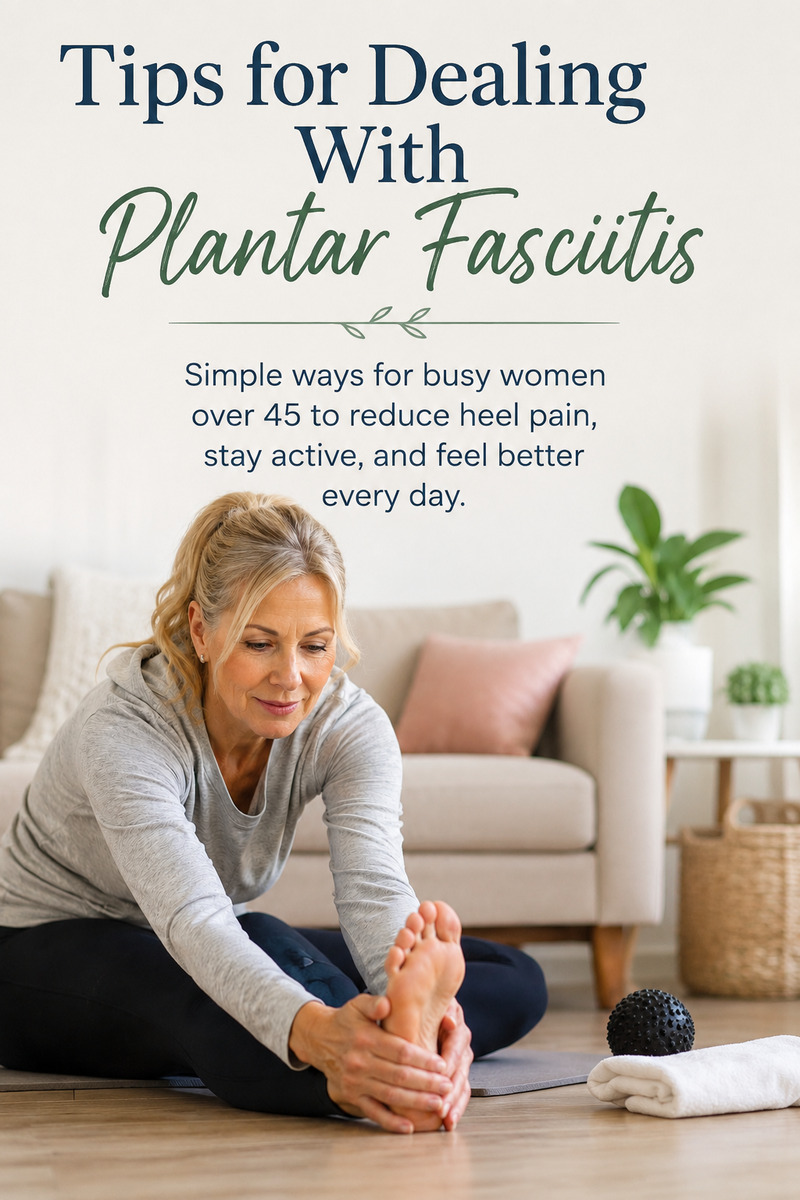
Busy women often put themselves last, especially when balancing work, family, and household responsibilities. However, building small foot-care habits into your day can make a big difference.
Consider creating a simple daily routine that includes:
*Morning stretching
*Supportive footwear indoors
*Short movement breaks
*Evening icing or massage
*Rest after long activity periods
These small habits can support both foot health and overall well-being.
Conclusion
Plantar fasciitis can feel discouraging, especially when you are trying to stay active and manage a busy lifestyle after 45. Fortunately, supportive footwear, consistent stretching, smart exercise choices, and healthy daily habits can help reduce discomfort and improve mobility over time.
Taking care of your feet is an important part of healthy living. When your feet feel better, everyday life becomes easier, more comfortable, and more enjoyable.

Ellen is a busy mom of a 29-year-old son and 33-year-old daughter. She owns nine blogs and is addicted to social media. She believes that it doesn’t have to be difficult to lead a healthy life. She shares simple healthy living tips to show busy women how to lead fulfilling lives. If you’d like to work together, email info@confessionsofanover-workedmom.com to chat.
