
Last Updated on May 20, 2026 by Ellen Christian
Choking accidents in nursing homes are often caused by swallowing difficulties, poor supervision, improper food preparation, medication side effects, and inadequate staff training. Elderly residents are especially vulnerable because many suffer from medical conditions that affect chewing and swallowing safely.
Posts may be sponsored. This post contains affiliate links, which means I will make a commission at no extra cost to you should you click through and make a purchase. As an Amazon Associate I earn from qualifying purchases.
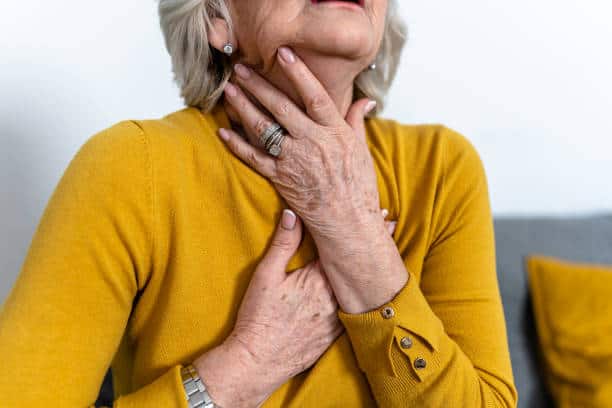
In some cases, choking incidents happen suddenly, while in others, warning signs are missed for days or weeks before an emergency occurs. Understanding the risks of choking accidents is important because these situations can quickly become life-threatening and may sometimes point to neglect or poor care inside a nursing home facility.
For families, learning that a loved one suffered a choking injury in a nursing home can be devastating. Many people place their trust in long-term care facilities expecting residents to receive proper supervision, medical attention, and safe meal assistance. When safety procedures fail, the consequences can be serious or even fatal.
Why Elderly Residents Face Higher Choking Risks
Older adults are naturally at greater risk of choking because aging can weaken the muscles used for chewing and swallowing. Many nursing home residents also live with medical conditions that make eating more difficult.
Common health issues linked to choking include:
*Stroke
*Dementia
*Parkinson’s disease
*Alzheimer’s disease
*Neurological disorders
*Muscle weakness
*Difficulty swallowing, also called dysphagia
Some residents may also have dental problems or missing teeth that make it harder to chew food properly.
Because of these risks, nursing homes are expected to monitor residents carefully during meals and follow individualized care plans.

Swallowing Disorders and Dysphagia
One of the leading causes of choking accidents in nursing homes is dysphagia, a condition that affects swallowing ability.
Residents with dysphagia may struggle to:
*Chew food safely
*Swallow liquids properly
*Control food movement in the mouth
*Prevent food from entering the airway
Without proper care, food or liquid can block the airway and cause choking or aspiration.
Aspiration happens when food, saliva, or liquids enter the lungs instead of the stomach. This can lead to serious infections like aspiration pneumonia.
Poor Supervision During Meals
Many choking incidents occur because residents are not supervised properly while eating.
Staff shortages or inadequate monitoring may lead to situations where:
*Residents eat too quickly.
*Patients are left alone during meals.
*Warning signs are ignored.
*Emergency responses are delayed.
Some residents require one-on-one assistance while eating, especially those with cognitive impairments or severe swallowing problems.
Without enough supervision, a minor issue can quickly turn into a medical emergency.

Improper Food Preparation
Food texture plays a major role in nursing home safety.
Residents with swallowing difficulties may need:
*Soft foods
*Pureed meals
*Thickened liquids
*Small bite-sized portions
When nursing homes fail to follow dietary instructions, residents may choke on foods that are too hard, dry, or difficult to swallow.
Examples of high-risk foods include:
*Tough meat
*Bread
*Raw vegetables
*Hard candy
*Nuts
Following physician-approved dietary plans is critical for resident safety.

Medication Side Effects
Certain medications can increase the risk of choking in elderly patients.
Some drugs may cause:
*Dry mouth
*Drowsiness
*Muscle weakness
*Reduced alertness
*Difficulty swallowing
Residents taking multiple medications may face an even greater risk, especially if staff fail to monitor side effects carefully.
Inadequate Staff Training
Proper training is essential in nursing homes because staff members often care for residents with complex medical needs.
Poorly trained employees may fail to:
*Recognize choking hazards
*Follow feeding instructions
*Respond quickly during emergencies
*Perform life-saving procedures properly
In some cases, delayed emergency action can lead to brain damage or death within minutes.
Facilities are expected to provide proper training and emergency response preparation for caregivers.

Signs a Resident May Be at Risk of Choking
Family members and caregivers should watch for warning signs that may indicate swallowing problems.
Common signs include:
*Coughing while eating
*Difficulty swallowing
*Frequent throat clearing
*Sudden weight loss
*Drooling
*Wet or gurgling voice after meals
*Repeated pneumonia infections
These symptoms should never be ignored because they may signal serious swallowing difficulties.
Legal Responsibility of Nursing Homes
Nursing homes have a legal duty to provide residents with safe and appropriate care.
Federal regulations under 42 CFR § 483 require nursing homes participating in Medicare and Medicaid programs to protect residents’ health and safety.
Facilities may face liability if choking accidents result from:
*Negligent supervision
*Failure to follow dietary plans
*Inadequate staffing
*Poor employee training
*Ignoring medical conditions
Additionally, the Nursing Home Reform Act established standards designed to protect nursing home residents from neglect and abuse.
What Families Should Do After a Choking Incident
If a loved one experiences a choking accident in a nursing home, families should take the situation seriously.
Important steps may include:
*Seeking immediate medical evaluation
*Requesting copies of medical records
*Documenting the incident
*Asking about staffing and supervision levels
*Reviewing dietary care plans
*Reporting concerns to state authorities if necessary
In severe cases involving negligence, families may also explore legal options.
Key Takeaways
*Choking accidents in nursing homes are often caused by swallowing disorders, poor supervision, and improper food preparation.
*Elderly residents with conditions like stroke, dementia, or Parkinson’s disease face higher risks.
*Dysphagia is one of the leading causes of choking in nursing home residents.
*Federal regulation 42 CFR § 483 requires nursing homes to protect resident health and safety.
*Warning signs such as coughing during meals or difficulty swallowing should never be ignored.
*Proper supervision, staff training, and individualized care plans can help prevent choking accidents.

Ellen is a busy mom of a 29-year-old son and 33-year-old daughter. She owns nine blogs and is addicted to social media. She believes that it doesn’t have to be difficult to lead a healthy life. She shares simple healthy living tips to show busy women how to lead fulfilling lives. If you’d like to work together, email info@confessionsofanover-workedmom.com to chat.
