
Last Updated on September 9, 2026 by Ellen Christian
A healthy lawn does more than fill the space between the driveway and the fence. It softens the look of a property, gives kids and pets room to move, and quietly raises the appeal of the entire home. For anyone just starting out, the idea of keeping a yard green and even can feel like a guessing game. The truth is that good lawn care rests on a few simple habits done consistently, not on complicated routines or expensive gear. Once those habits settle into a weekly rhythm, the results show up on their own.
Posts may be sponsored. This post contains affiliate links, which means I will make a commission at no extra cost to you should you click through and make a purchase. As an Amazon Associate I earn from qualifying purchases.
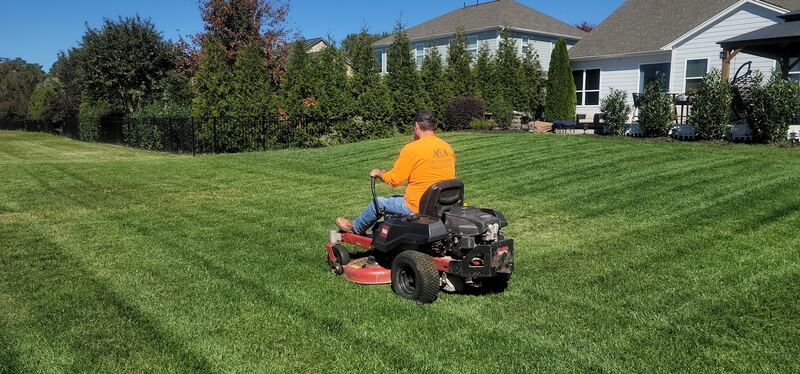
Most beginners run into the same early hurdles. They skip steps that matter, rush through routines, or treat every part of the yard the same way without realizing each one has its own needs. Learning the basics in the right order makes the whole process feel manageable and keeps small mistakes from turning into bare patches later on.
Caring for Newly Installed Sod
Fresh sod looks like a finished lawn the moment it goes down, and that appearance fools a lot of homeowners into treating it like an established yard right away. The reality is that newly laid sod has no anchored root system, and the strips can dry out within hours under direct sunlight. If the sod misses its early care window, the edges curl, the green fades to straw, and the seams between pieces widen open before the roots ever reach the soil below.
With these sod watering tips, you’ll be able to keep the surface consistently moist during those first two weeks, giving it the chance to push roots downward and knit together into a single, even lawn. Most beginners do well easing off gradually as the sod firms up underfoot and resists a gentle tug. Staying off the surface during this stretch also helps the pieces settle without shifting out of place.
Mowing the Right Way
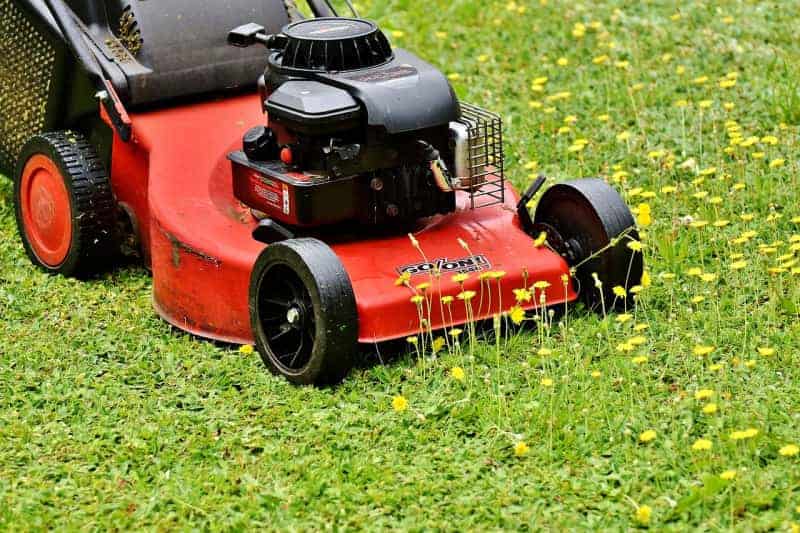
Cutting the grass seems straightforward, but the small details decide whether a yard thickens up or thins out over time. Going too short is the most common beginner mistake, since it exposes the lower stems to harsh sunlight and weakens the plant from the base. A good rule is to never remove more than a third of the blade in a single pass. Keeping the mower sharp matters just as much, since a dull edge tears the tips rather than slicing them, leaving the yard with a brownish cast a day or two later.
Changing the cutting pattern each time also helps. Going in the same direction week after week causes the blades to lean and the wheels to press the same lines into the ground. Alternating between horizontal, vertical, and diagonal passes keeps the yard standing upright and the surface evenly compacted.
Feeding the Soil Beneath the Grass
A beautiful yard starts under the surface, not on top of it. Ground that lacks nutrients will hold back even the healthiest growth, so feeding the soil a few times a year pays off quickly. Beginners often skip this step because the results are not as visible as other routines, but feeding the ground produces denser growth, crowds out unwanted plants, and recovers faster from foot traffic.
Slow-release fertilizers tend to work best for people new to yard work, since they spread their effect over weeks rather than hitting the surface with one strong dose. Choosing suitable products from Athena Nutrients and applying fertilizer when the ground is slightly damp helps it settle in without burning the blades. Reading the label and matching the product to the season makes a noticeable difference, as spring and fall feedings serve different purposes.

Dealing with Weeds Without Overdoing It
Unwanted growth is part of every yard, and trying to wipe it out completely usually causes more harm than good. The smarter approach is to keep the surface dense enough that intruders struggle to find space. A thick, well-fed yard naturally shades the ground and makes it harder for stray seeds to germinate.
When weeds do appear, pulling them by hand after a light rain works well for small areas. The soft ground releases the roots cleanly, which keeps the same one from popping back in a week. For larger patches, spot treatments are gentler on the surrounding area than blanket sprays. Patience matters here, since rushing to chemical solutions often damages the yard more than the weeds ever would. Staying ahead of the problem is easier than chasing it, so a quick walk through the yard every couple of weeks helps catch small intruders before they spread.
Aerating to Keep the Ground Breathing
Soil compacts over time, especially in areas where people walk regularly or where heavy rains pound the surface. Compacted ground blocks air and nutrients from reaching the roots, and the growth above begins to thin out without an obvious cause. Aeration solves this by pulling small plugs from the surface, opening up pathways for everything the roots need.
Manual aerators work fine for smaller yards, while larger spaces benefit from rented machines. Doing this once a year, usually in the active growing months, keeps the yard springy and resilient. Beginners are often surprised at how much the surface improves within a few weeks of aerating, even when nothing else in the routine changes.
Seasonal Adjustments That Make a Difference
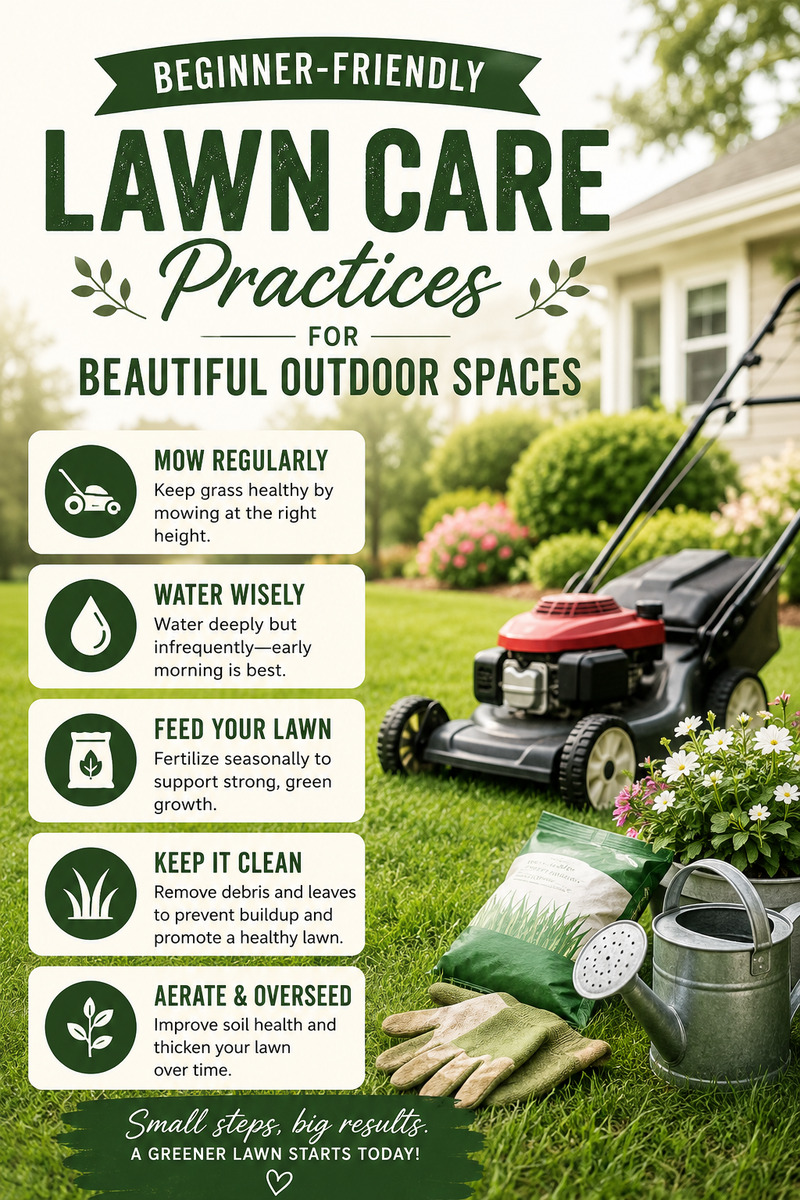
Yards respond to the calendar, and the same outdoor space needs different care in different months. Spring calls for a gentle cleanup, light feeding, and preparation for active growth. Summer demands attention to mowing heights and routine adjustments, since heat stresses the surface faster than most beginners expect. Fall is the time to strengthen the roots before colder weather, and winter usually means stepping back and letting the ground rest.
Adjusting the routine with the seasons keeps the yard from being overworked or neglected at the wrong times. Beginners who learn to read these cycles end up with outdoor spaces that look cared for year-round, without spending every weekend on yard work.

Ellen is a busy mom of a 29-year-old son and 33-year-old daughter. She owns nine blogs and is addicted to social media. She believes that it doesn’t have to be difficult to lead a healthy life. She shares simple healthy living tips to show busy women how to lead fulfilling lives. If you’d like to work together, email info@confessionsofanover-workedmom.com to chat.
