
Last Updated on May 20, 2026 by Ellen Christian
A kitchen herb garden is one of the simplest and most useful ways to start gardening at home. It doesn’t require a yard, expensive equipment, or advanced skills. With just a few pots, the right herbs, and a bit of light, you can have fresh ingredients growing right on your windowsill or kitchen counter. Let’s check out how to build a kitchen herb garden step-by-step.
Posts may be sponsored. This post contains affiliate links, which means I will make a commission at no extra cost to you should you click through and make a purchase. As an Amazon Associate I earn from qualifying purchases.
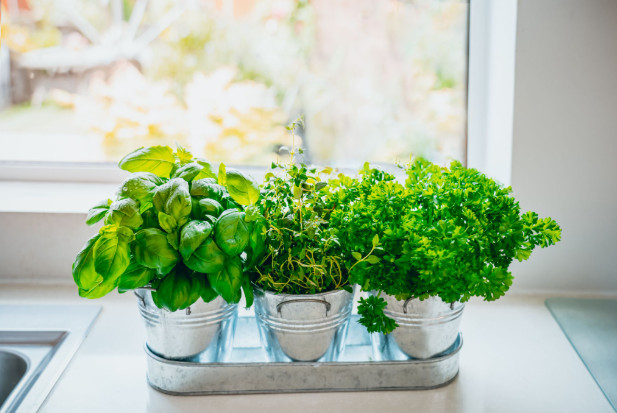
1. Choose the Right Location
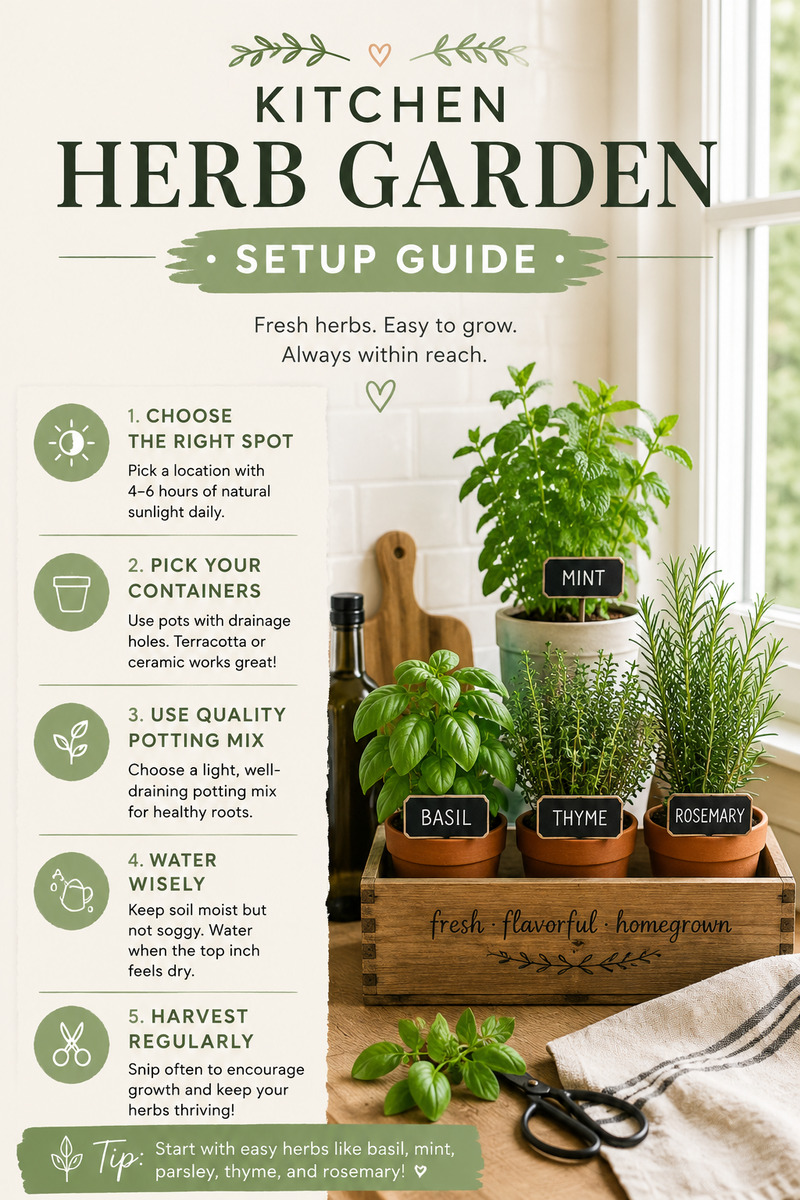
The first step is finding a suitable spot inside your kitchen or nearby. Most herbs need about 4–6 hours of light per day to stay healthy and flavorful. A bright windowsill is usually the best option, especially one facing south or west, where sunlight is strongest throughout the day.
If your kitchen doesn’t get enough natural light, you can still grow herbs successfully by using LED grow lights placed above or near the plants. These help maintain steady growth, especially in winter or shaded apartments.
Try to avoid placing herbs near heat sources such as ovens, stovetops, or radiators. Sudden temperature changes and dry heat can stress plants and cause them to dry out faster than usual.
2. Pick the Right Herbs
Some herbs are naturally more forgiving and grow quickly indoors. Basil, parsley, chives, mint, and cilantro are great starting options because they adapt well to container life and respond quickly to regular harvesting.
Hardier herbs like rosemary and thyme can also grow indoors, but they prefer slightly drier soil and stronger light conditions. Mint deserves special attention—it grows very aggressively, so it’s best kept in its own separate pot to prevent it from taking over other herbs.
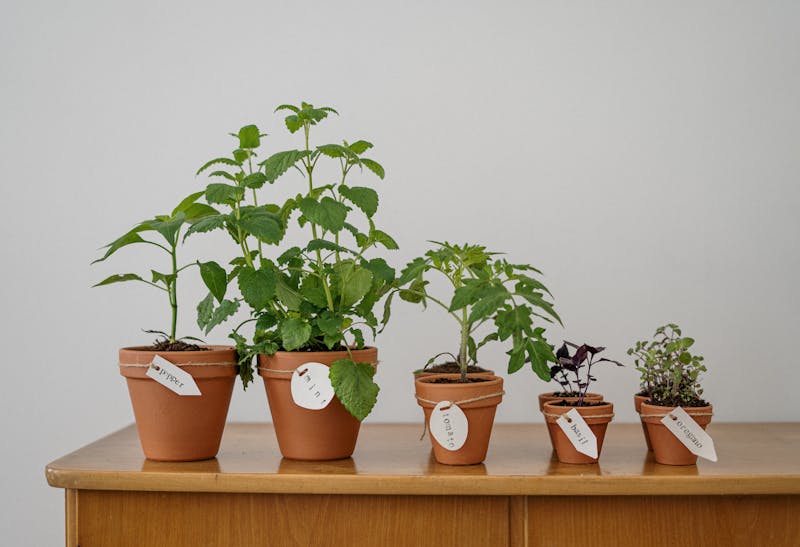
3. Select the Right Containers
Herbs don’t like sitting in soggy soil, and poor drainage is one of the most common reasons kitchen herb gardens fail. Therefore, the pots should have drainage holes to prevent water from pooling at the bottom.
Small to medium pots are usually ideal for kitchen herbs. You can use ceramic pots for a clean indoor look, plastic pots for lightweight flexibility, or even glass jars if drainage is properly managed.
If space is limited, vertical solutions like tiered plant stands, wall shelves, or hanging containers can help you grow more herbs without cluttering your kitchen counter.
4. Use the Right Soil
Herbs prefer light, airy soil that drains well rather than heavy garden soil that stays wet. A standard potting mix combined with perlite or coarse sand improves drainage and helps roots access oxygen more easily.
You can also use pre-made herb or vegetable potting soil, which is specifically designed for container growing. Avoid soil that is too dense or overly rich in organic material, as it can retain too much moisture and increase the risk of fungal or root issues.
5. Watering Properly
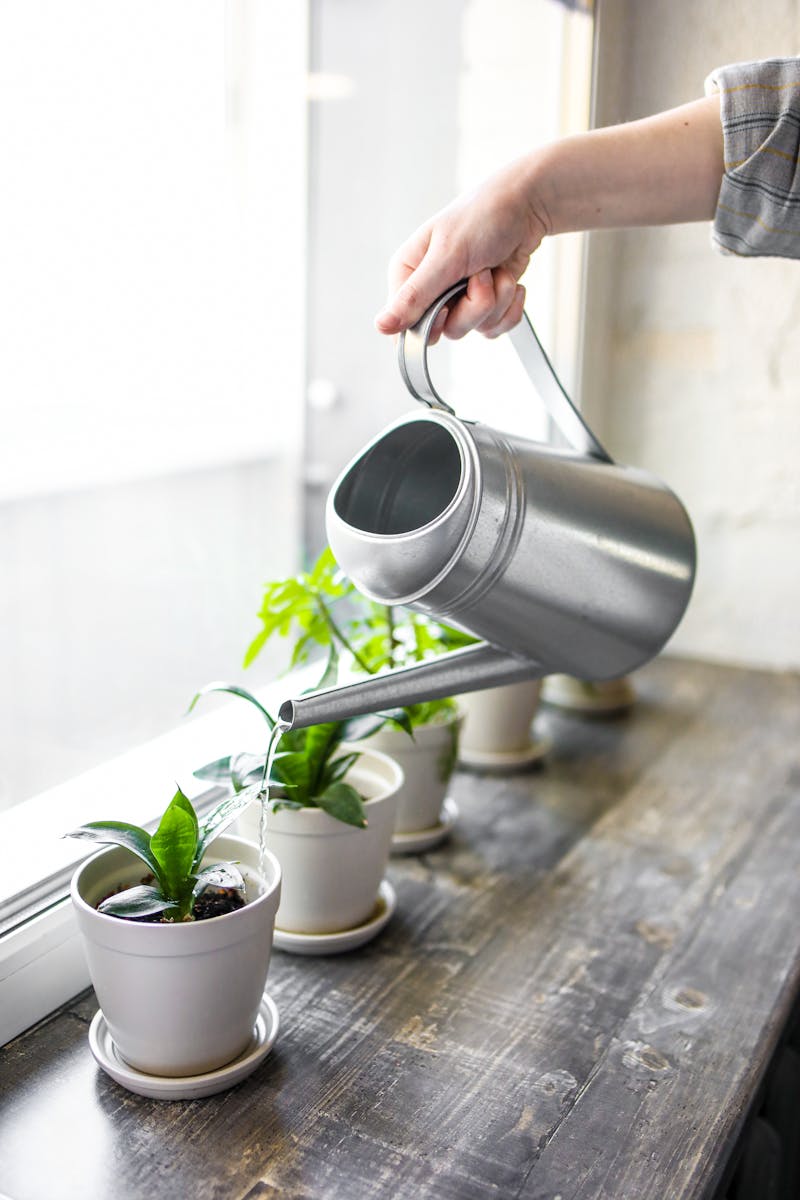
Watering is one of the most important parts of maintaining a healthy herb garden, and it’s also where many beginners make mistakes. Most herbs prefer soil that is slightly moist but never soggy. A simple way to check is by touching the top layer of soil—if it feels dry, it’s time to water.
When watering, it’s better to water thoroughly so moisture reaches the roots, then allow excess water to drain out completely. The frequency of watering will depend on light, temperature, and pot size, but herbs in sunny windows typically need more frequent attention than those in shaded areas.
6. Harvesting Smarter
Once the plants are well established, you can start trimming leaves regularly. Instead of removing large sections at once, take small amounts from each plant. This encourages the herbs to grow fuller and prevents them from becoming tall and weak.
Always harvest strategically, usually from the top or outer stems—so the plant continues to grow from the center. This helps maintain shape and ensures long-term productivity. Regular harvesting doesn’t damage herbs; in most cases, it actually improves growth and keeps them active for longer.
Final Thoughts
A kitchen herb garden is one of the easiest ways to bring gardening into everyday life. With the right light, simple containers, and a few basic herbs, you can create a fresh, productive space right in your kitchen.

Ellen is a busy mom of a 29-year-old son and 33-year-old daughter. She owns nine blogs and is addicted to social media. She believes that it doesn’t have to be difficult to lead a healthy life. She shares simple healthy living tips to show busy women how to lead fulfilling lives. If you’d like to work together, email info@confessionsofanover-workedmom.com to chat.
