
Last Updated on September 14, 2026 by Ellen Christian
Ever notice how a small plumbing issue somehow keeps coming back, no matter how many times it gets patched? That pattern isn’t bad luck. It’s usually a sign that the pipe itself, not just one weak spot, has reached the end of its useful life and needs more than another quick fix.
Posts may be sponsored. This post contains affiliate links, which means I will make a commission at no extra cost to you should you click through and make a purchase. As an Amazon Associate I earn from qualifying purchases.
According to the American Society of Civil Engineers, there is a water main break every two minutes somewhere in the United States, resulting in an estimated 6 billion gallons of treated water lost every day.
Knowing the difference between a fixable repair and a pipe that needs full replacement can save homeowners thousands of dollars and a lot of frustration. For anyone dealing with recurring plumbing issues, whether in an older home or a property with aging underground infrastructure, these six signs point clearly toward considering trenchless pipe replacement instead of another round of patchwork repair.
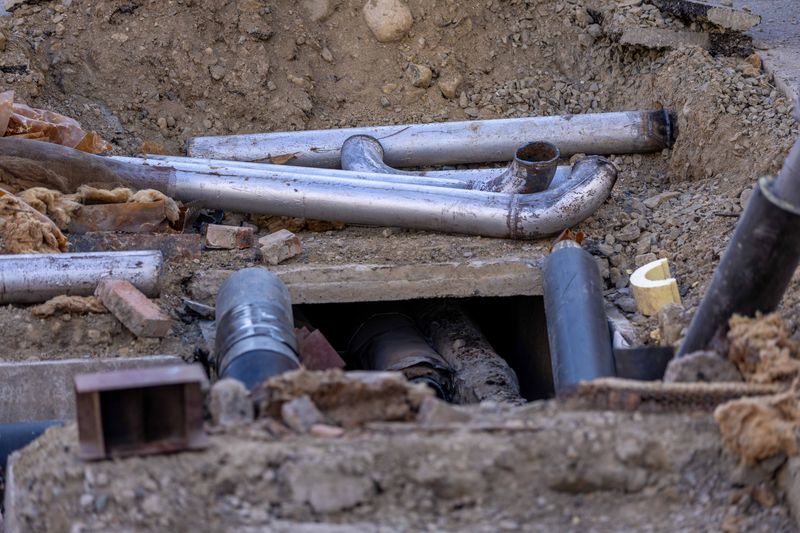
1. The Same Problem Keeps Coming Back
If a pipe has needed repair more than once for the same issue, that’s rarely a coincidence. A single leak or clog is normal wear and tear, but repeated failures in the same section usually mean the surrounding pipe material has already started deteriorating.
Repairing the same spot again and again treats the symptom without addressing the underlying problem. In older cast iron or clay pipes especially, one visible failure often signals broader corrosion or cracking throughout the line that hasn’t caused a visible leak yet.
2. The Pipes Are Made of Outdated Materials
Pipe material matters enormously when deciding between repair and replacement. Older homes, particularly those built before the 1970s, often still have original clay, cast iron, or even Orangeburg pipe, materials that are now considered outdated and prone to failure.
These materials degrade differently than modern PVC or HDPE piping. Clay cracks under shifting soil, cast iron corrodes from the inside out, and Orangeburg pipe, made from compressed wood fiber and tar, can collapse entirely under normal ground pressure after enough decades in the ground.
3. Tree Roots Have Invaded the Line
Root intrusion is one of the most common reasons sewer lines fail, and it’s also one of the clearest signs that repair alone won’t solve the problem long-term. Roots are drawn to the moisture inside sewer lines and will exploit even the smallest crack or joint gap to grow inward.
Once roots have entered a pipe, cutting them back offers only temporary relief, since the crack that let them in is still there. Trenchless replacement methods can install a new pipe that eliminates the entry points roots were using in the first place.
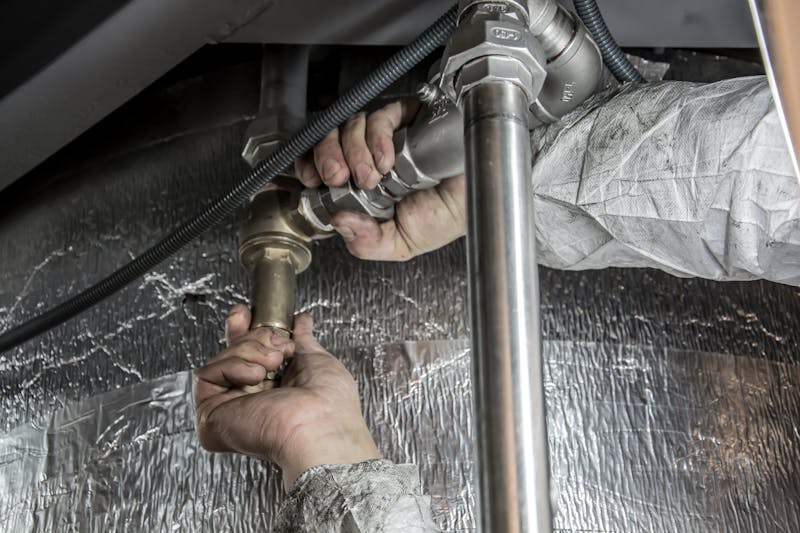
4. Water Pressure Has Dropped Without an Obvious Cause
A gradual, unexplained drop in water pressure often points to internal pipe deterioration rather than a single blockage. As pipes corrode internally, mineral buildup and rust can narrow the interior diameter significantly, restricting flow even when no single leak is present.
This kind of pressure loss tends to worsen slowly over months or years, which makes it easy to dismiss until it becomes a serious inconvenience. By the time pressure loss is noticeable throughout a home, the pipe has usually been deteriorating for a long time already.
5. There Are Signs of Water Damage Without a Clear Source
Damp patches on walls, ceilings, or in the yard that don’t seem to have an obvious source are often a sign of an underground leak that hasn’t fully surfaced yet. Slow leaks from aging or cracked pipes can saturate soil or seep into foundations long before the damage becomes visible indoors.
This kind of hidden damage is particularly costly if left unaddressed, since it can affect a home’s foundation over time. A full pipe replacement addresses the root cause rather than patching a section while the rest of the line continues to deteriorate nearby.
6. The Home’s Plumbing System Is Simply Old
Even without dramatic symptoms, pipe age alone is a legitimate reason to consider replacement. Most plumbing systems have an expected lifespan depending on material, and pipes approaching or exceeding that lifespan are increasingly likely to fail, even if they’ve shown no issues yet.
Waiting for a pipe to fail completely before replacing it often means dealing with an emergency, rather than planning the work on your own schedule. Addressing aging infrastructure proactively tends to be far less disruptive and often more affordable in the long run.
Why Many Homeowners Choose Trenchless Methods
Trenchless methods have become the preferred choice for homeowners facing pipe problems, and the reasons come down to a few clear, practical advantages over traditional excavation. Here’s what makes the difference:
- Minimal property disruption — Existing access points are used instead of digging up an entire yard, driveway, or foundation.
- Faster completion times — Most trenchless jobs finish in a fraction of the time a full excavation would take.
- Lower landscaping and hardscaping costs — There’s no need to replace torn-up lawns, patios, or walkways after the work is done.
- Durable, long-lasting materials — Techniques like pipe bursting and cured-in-place lining use modern materials built to outlast the pipe they’re replacing.
This combination of speed, affordability, and minimal disruption is exactly why more homeowners are turning to trenchless pipe replacement instead of accepting the cost and mess of traditional digging.
Trenchless Solutions is one option homeowners can consider, helping assess whether trenchless replacement is the right fit and completing the work with as little disruption to the property as possible.
What to Expect During an Inspection
Before any replacement work begins, a proper inspection typically starts with a camera scope run through the existing pipeline to identify the exact location and extent of the damage. This gives both the homeowner and the technician a clear, visual picture of what’s happening underground, rather than relying on guesswork based on surface symptoms alone.
From there, the technician can determine which trenchless method best fits the specific type of damage, whether that’s a full pipe burst replacement or a structural lining solution. This assessment also helps establish a realistic timeline and cost estimate before any work begins, so there are no surprises once the job is underway.
Final Thoughts
A pipe problem that keeps coming back, shows its age, or causes unexplained pressure loss or water damage is rarely something a quick patch can fully solve. Recognizing these signs early gives homeowners the chance to address the real issue before it becomes an emergency.
With trenchless methods now offering a faster, less disruptive alternative to traditional excavation, replacing an aging or damaged pipe no longer means tearing up an entire property. A proper inspection is the first step toward understanding exactly what a home’s plumbing actually needs.

Ellen is a busy mom of a 29-year-old son and 33-year-old daughter. She owns nine blogs and is addicted to social media. She believes that it doesn’t have to be difficult to lead a healthy life. She shares simple healthy living tips to show busy women how to lead fulfilling lives. If you’d like to work together, email info@confessionsofanover-workedmom.com to chat.
