
Last Updated on September 15, 2026 by Ellen Christian
A thick, green lawn doesn’t happen by accident — it starts with healthy soil. Over time, foot traffic, mowing, and seasonal weather compact the ground beneath your grass, squeezing out the air pockets that roots need to breathe.
Posts may be sponsored. This post contains affiliate links, which means I will make a commission at no extra cost to you should you click through and make a purchase. As an Amazon Associate I earn from qualifying purchases.
With the warm summer season leading to crabgrass and freezing winters putting extra pressure on turf grasses, there are various places where the quality of soil plays an important role in how your grass looks. Without proper soil aeration, water washes away, fertilizer does not get absorbed, and grass deteriorates despite your timely irrigation and mowing.
That’s where aeration comes in. By creating small channels throughout your soil, aeration lets air, water, and nutrients reach the root zone where they’re needed most. For homeowners across New Castle County, this simple step is often the missing piece between an average lawn and a truly healthy one. Here’s why making aeration a regular part of your lawn care routine can transform your entire outdoor space.
Aeration Breaks Up Compacted Soil
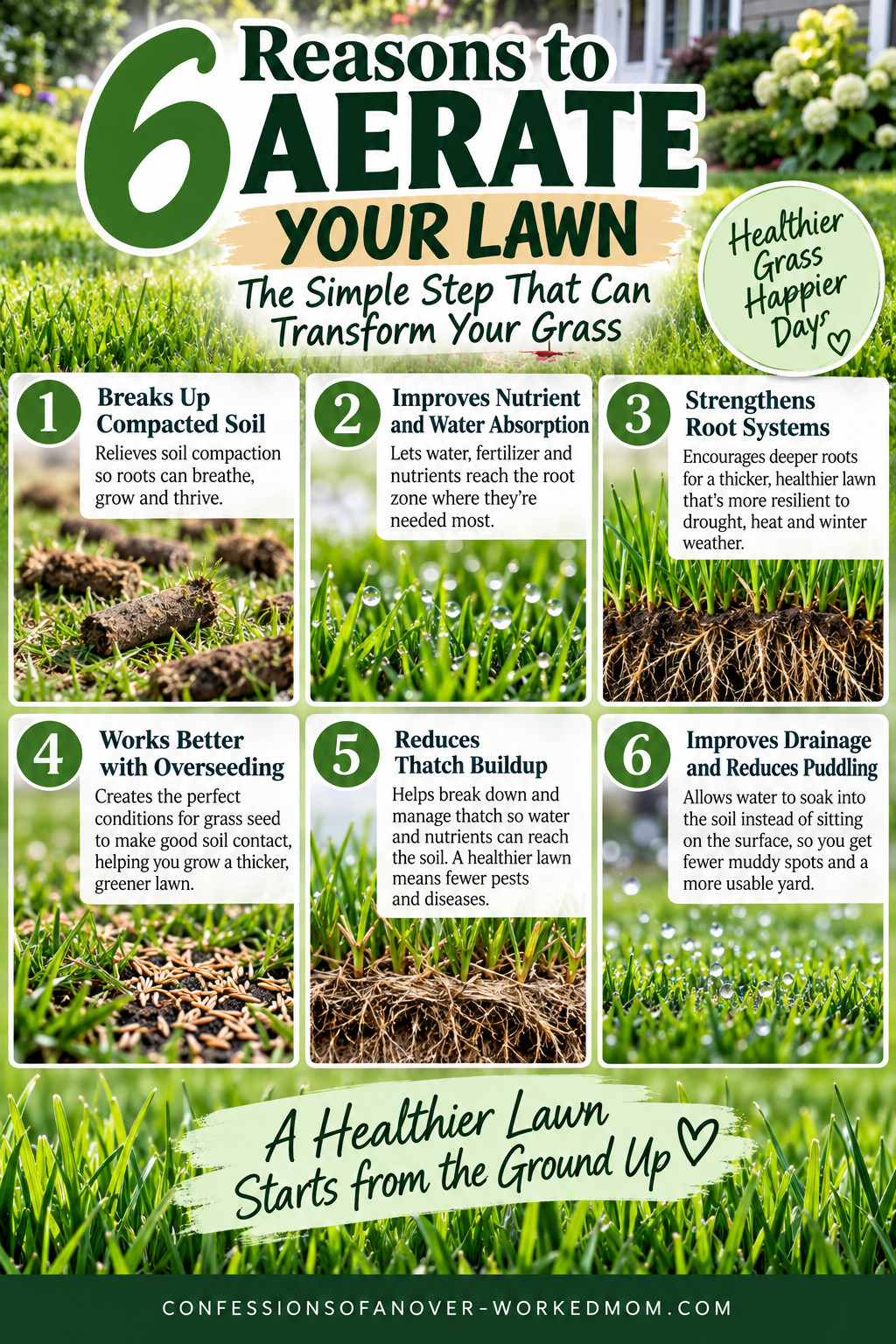
The most immediate benefit of aeration is relief from soil compaction. Every time you walk across your yard, park a vehicle on the grass, or mow week after week, the soil beneath gets pressed tighter and tighter. Compacted soil creates an almost impermeable layer for water and nutrients, which cannot penetrate into the root zone.
In New Castle, Delaware, lawns commonly deal with compacted soils that can restrict drainage and root growth, particularly in areas with heavy foot traffic or clay-rich soil. For homeowners looking to improve these conditions, professional aeration services in New Castle offer core aeration, during which small cores of soil are removed from the lawn. This significantly improves the lawn’s ability to absorb water and nutrients when it rains or is irrigated.
Improves Nutrient and Water Absorption
Fertilizer only works if it actually reaches the roots. In compacted soil, much of what you apply simply sits on the surface or washes away with the next rainstorm, which means wasted money and a lawn that never quite looks the way it should.
Aeration creates direct pathways into the soil, allowing fertilizer, lime, and water to penetrate more deeply rather than pooling near the surface. Homeowners often notice their lawn responds better to every treatment that follows an aeration service, from spring fertilization to fall lime applications.
Strengthens Root Systems
Grass with shallow roots is vulnerable to harsh summer sun, drought, and severe winters. Aeration helps roots go deep and develop by allowing roots to have soil that is easy to penetrate because of air, water, and nutrients.
A deep root structure will make your lawn more resilient to droughts, foot traffic, and freeze-thaw cycles in our area. The result is a lawn that needs less babying and bounces back faster after stressful weather.
Aeration and Overseeding Work Better Together
Bare spots and thinning patches usually mean grass seed isn’t making solid contact with the soil, or the soil is too compacted for new roots to take hold. Pairing aeration with overseeding solves both problems at once: the holes created during aeration give fresh grass seed direct access to soil, moisture, and nutrients, dramatically improving germination rates.
This combination, using premium seed suited to our region’s cool-season lawns, is one of the most effective ways to thicken thin turf and naturally crowd out weeds.
Reduces Thatch Buildup
A layer of dead grass, roots, and debris called thatch naturally builds up between the soil and the green grass blades above it. A small amount is normal, but too much thatch blocks water and nutrients before they ever reach the soil, and it can also harbor pests and disease.
Regular aeration helps break down and manage thatch buildup, keeping the layer thin enough that it doesn’t interfere with your lawn’s health.
In New Castle’s climate, thatch tends to accumulate faster than many homeowners expect, especially in lawns that are fertilized heavily or mowed on an inconsistent schedule. Left unchecked, a thick thatch layer creates the perfect hiding spot for insects and fungal disease, while also making it harder for water to reach the soil during dry summer stretches.
Aerating on a consistent schedule keeps this layer in check before it becomes a bigger problem, saving you from more intensive dethatching work down the road.
Aeration Improves Drainage and Reduces Puddling
Compacted soil doesn’t just starve your grass roots, it also changes the way water moves across your yard entirely. When soil is packed too tightly, rainfall and irrigation have nowhere to go but sideways, pooling in low spots, forming muddy patches, and running off into driveways or storm drains instead of soaking in where it’s needed.
That said, aeration opens up channels that let water move downward into the soil profile instead of collecting on the surface. This means fewer soggy, unusable patches after a heavy rain, less water pooling near your home’s foundation, and a yard that dries out evenly instead of staying waterlogged in some areas while other spots go dry.
For homeowners dealing with standing water or runoff issues, aeration is often a simple, overlooked fix that makes the entire outdoor space more usable, not just healthier.
Final Thoughts
Aeration may not get the attention that mowing and landscaping do, but it is one of the most vital steps that you can take to ensure that your lawn stays healthy in the years to come. It addresses the source of the most common problems by allowing the grass’s roots to breathe.
By following through on an aeration program and seasonal care, you can transform your patchy lawn into the green oasis you have always wanted. If your lawn has been struggling despite your best efforts, compacted soil could be the hidden culprit, and aeration might be exactly the reset it needs.

Ellen is a busy mom of a 29-year-old son and 33-year-old daughter. She owns nine blogs and is addicted to social media. She believes that it doesn’t have to be difficult to lead a healthy life. She shares simple healthy living tips to show busy women how to lead fulfilling lives. If you’d like to work together, email info@confessionsofanover-workedmom.com to chat.
