
Last Updated on May 28, 2026 by Ellen Christian
Coming home from the hospital is supposed to feel like the easy part. In reality, it is often the moment families realize how much equipment recovery actually requires — a hospital bed that adjusts at the press of a button, a wheelchair for the first weeks of limited mobility, a lift chair to make standing up safer, maybe a Hoyer lift if a loved one cannot bear weight yet. The list adds up fast.
Posts may be sponsored. This post contains affiliate links, which means I will make a commission at no extra cost to you should you click through and make a purchase. As an Amazon Associate I earn from qualifying purchases.

Recovering at home, with the right setup, is more than a comfort choice — it is a clinical advantage. Research published in JAMA Network Open found that 11.6% of older adults are readmitted to the hospital within 30 days of major surgery, and 27.6% within 180 days. A safe, well-equipped home is one of the simplest ways families can lower that risk during recovery.
That is exactly why so many families now turn to renting equipment instead of buying. It costs less, arrives faster, and adapts as needs change. Here is how rentals quietly make home recovery both quicker and more affordable.
1. The Right Equipment Speeds Up Healing
Recovery is not just about rest. It is about being able to move safely, sleep comfortably, and avoid setbacks like falls or pressure sores. A standard bed and a regular armchair often cannot deliver that. An adjustable hospital bed helps with circulation, breathing, and getting in and out without straining a healing site. A properly fitted wheelchair lets someone leave the bedroom for meals or fresh air, which lifts mood and prevents muscle loss.
When the right gear is in place from day one, families spend less time improvising — stacking pillows, lifting awkwardly, or making midnight ER trips after a fall.
2. Renting Costs a Fraction of Buying
Buying a hospital bed, wheelchair, mobility scooter, and lift chair outright can run into thousands of dollars — money many families do not have on short notice after a hospital stay. Medical equipment rentals through a local provider like Lakeway Mobility, an RN-owned company serving Austin and surrounding Central Texas communities, give families access to hospital-grade gear at a fraction of the purchase price. You pay only for the weeks or months you actually need it.
This flexibility helps families manage costs during uncertain recovery periods. It also ensures patients can return equipment easily once it is no longer required.
3. Rentals Match Recovery Timelines (Buying Doesn’t)
Recovery is rarely a straight line. Someone may need a wheelchair for six weeks, then graduate to a walker. A patient might use a hospital bed for a month, then go back to their own mattress. Buying for short-term needs leaves families with bulky, expensive items they do not know what to do with afterward.
Renting solves that. You bring in equipment for as long as it is helpful, swap pieces as needs change, and return everything when it is no longer needed.
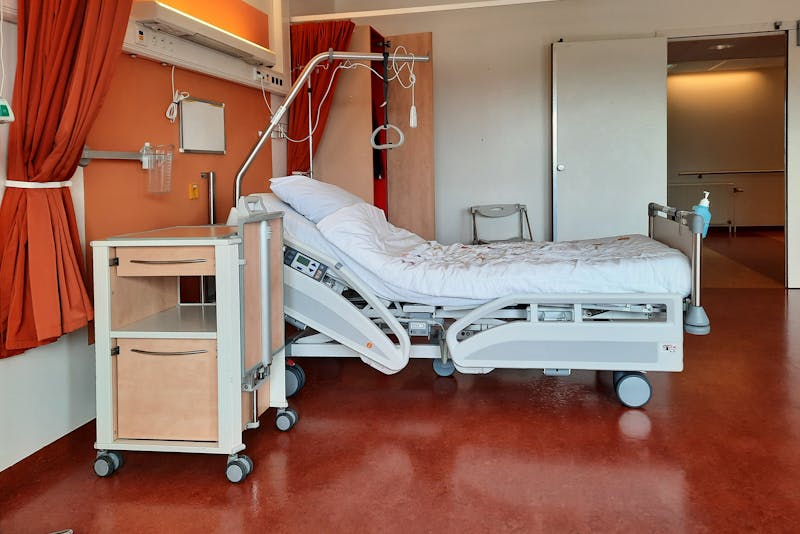
4. Faster Setup Means Faster Discharge
Hospitals will not discharge a patient until the home is ready. If a hospital bed is on a multi-week order, the patient may end up staying longer than necessary, racking up bills and risking exposure to hospital-acquired infections.
Local rental providers usually deliver the same day or next day, often setting up equipment in the home and walking the family through how to use it. That kind of quick turnaround can shave days off a hospital stay and get loved ones home, where most people heal best.
RELATED: Is 40 too young for hip surgery?
5. Clinical Guidance Reduces Costly Mistakes
Choosing the wrong equipment is its own expense. A wheelchair that does not fit causes pressure sores. A bed without proper rails increases fall risk. A lift chair too small for the person becomes unusable. These mistakes add up to wasted money and preventable injuries.
This is where a clinically experienced provider matters. An RN-led team can ask the right questions about diagnosis, weight, range of motion, and home layout before recommending equipment. Lakeway Mobility’s 60-plus years of combined staff experience and nursing background mean families get clinical judgment, not just a sales pitch.
6. Peace of Mind Is Part of the Value
There is also a quieter benefit that does not show up on an invoice: not having to figure it all out alone. A reliable rental partner becomes a steady point of contact during one of the most stressful times in a family’s life — answering questions, swapping out a broken piece, or adjusting a bed setting. Support from a local team available seven days a week is hard to put a price on.
Final Thoughts
Home recovery works best when the home is set up for it. Renting medical equipment, instead of scrambling to buy, lets families act fast, spend less, and adapt as their loved one heals. It also brings in clinical know-how that helps avoid expensive mistakes.
If you are preparing for a hospital discharge or supporting a recovery at home, talking to a local, RN-led provider early can make the whole process smoother — and remind you that you do not have to handle this part alone.

Ellen is a busy mom of a 29-year-old son and 33-year-old daughter. She owns nine blogs and is addicted to social media. She believes that it doesn’t have to be difficult to lead a healthy life. She shares simple healthy living tips to show busy women how to lead fulfilling lives. If you’d like to work together, email info@confessionsofanover-workedmom.com to chat.
