
Last Updated on November 6, 2026 by Ellen Christian
Moving day can be humbling. The furniture goes out, the boxes get loaded, and the last lamp disappears into the truck. Then you turn around and see the room for the first time in years, and it doesn’t look quite the way you remembered.
Posts may be sponsored. This post contains affiliate links, which means I will make a commission at no extra cost to you should you click through and make a purchase. As an Amazon Associate I earn from qualifying purchases.
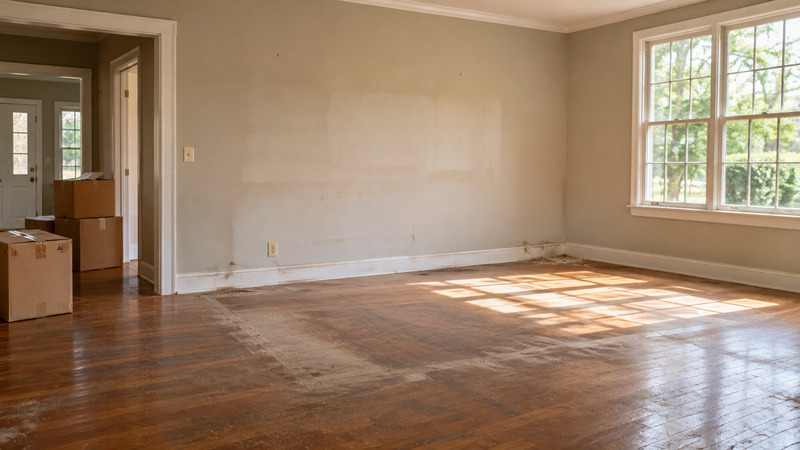
There’s a gray outline where the dresser stood. The carpet is two different colors. Scuff marks trail along the walls, and a fine layer of dust coats corners that a couch hid for years. It’s the same home, just suddenly very honest.
That transformation surprises nearly everyone. A furnished house hides far more than people realize. Once the belongings are gone, every neglected surface comes into view at once, turning a home that seemed clean into one that needs serious attention before handing over the keys.
The Dirt That Furniture Has Been Hiding for Years
Large furniture rarely moves during routine cleaning. Sofas, beds, dressers, and bookshelves stay put for years, and the floor beneath them quietly collects everything that drifts its way. Dust bunnies, lost coins, pet hair, and crumbs settle in and stay there undisturbed.
Appliances are even worse. Behind a refrigerator, you might find a sticky mix of dust, spilled food, and grime baked onto the floor by years of warm air from the motor. Washers and dryers tend to hide lint, detergent drips, and the occasional sock.
That’s why move-out deep cleaning services usually go far beyond a regular tidy-up. It reaches into the spaces that everyday routines almost never touch, from under the bed frame to behind the stove, where years of buildup have been quietly hiding in plain sight.
Why Empty Rooms Make Every Imperfection Stand Out
Furniture naturally breaks up a room visually. Rugs cover floors, art covers walls, and shelves draw the eye away from corners. Once everything is gone, there’s nothing left to distract attention. The eye lands directly on whatever’s left behind, including every single flaw.
Lighting plays a big role too. Without curtains or furniture absorbing light, sunshine floods in and highlights fingerprints on walls, smudges on windows, and dust on floors. Bare bulbs and open spaces can make stains look more dramatic than they ever did before.
Discoloration becomes obvious as well. Walls and floors exposed to sunlight often fade, while spots covered by furniture keep their original color. The result is a patchwork of shades that makes it clear exactly where everything used to sit for the past several years.
The Unexpected Places Where Years of Grime Collect
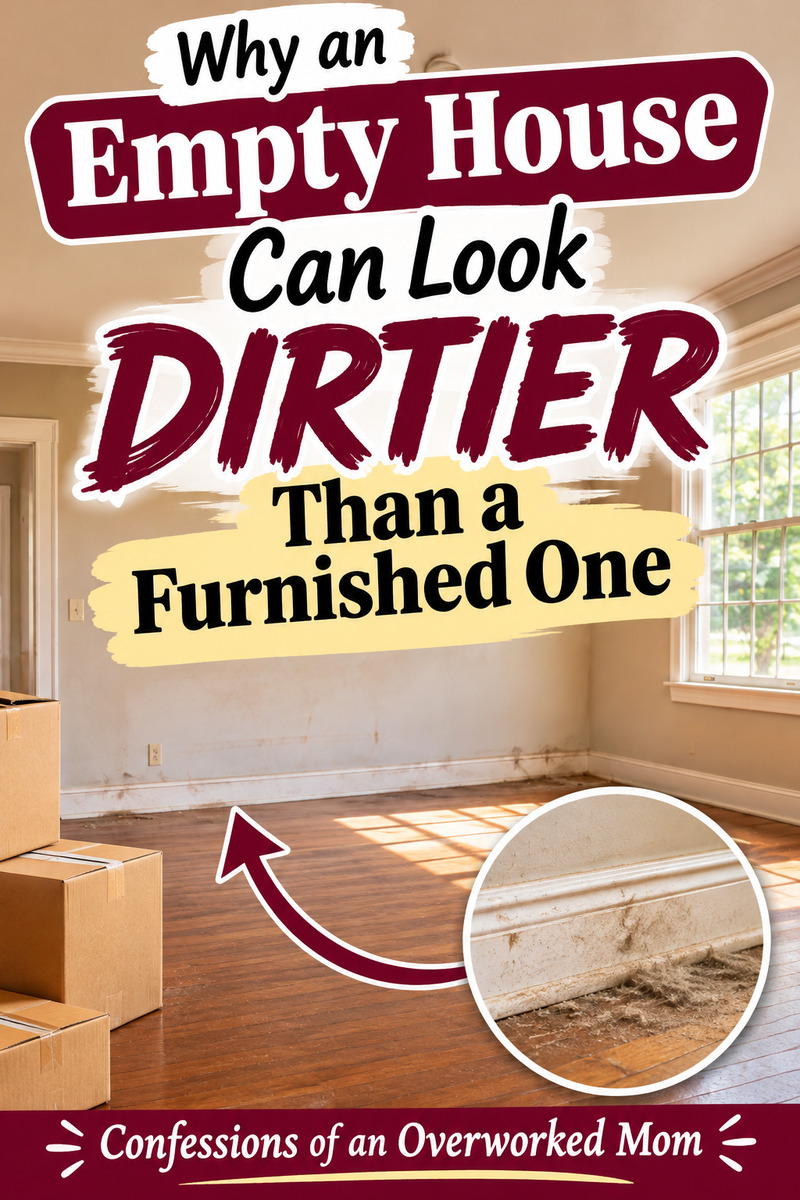
Baseboards are a classic, easily forgotten culprit. They sit low enough to escape notice but high enough to catch dust, scuffs, and splashes from mopping. In an empty room, those gray-tinged edges outline the entire floor like a dingy frame nobody ever wanted.
Cabinet interiors hold their own surprises. Sticky shelves, crumbs in the corners, and old spills tend to linger once the dishes and pantry items come out. Closets collect dust bunnies, hangers, and stray debris in corners that only see daylight when someone moves.
Window tracks might be the most overlooked spot of all. Dirt, dead bugs, and grime build up in the grooves over time. Add the dark spaces behind the stove and washer, and you get a list of tasks that weekly cleaning almost never covers.
Regular cleaning can help prevent dust and other indoor pollutants from accumulating in overlooked areas. The Environmental Protection Agency recommends vacuuming regularly, wiping dusty surfaces with a damp cloth, and considering a vacuum with a HEPA filter to help control household dust. These simple steps are especially useful when cleaning the spaces revealed after furniture and appliances are moved.
Give Stainless Steel Appliances a Final ShineOnce the kitchen is empty, it’s the perfect opportunity to tackle fingerprints, smudges, and dull spots on stainless steel appliances. If your refrigerator, stove, or dishwasher needs a little extra attention, watch my video on how to make stainless steel shine like chrome for a simple way to freshen up these surfaces before moving out.
How Hidden Dirt Can Become a Moving-Day Problem
For renters, hidden grime can turn into a financial issue. Many leases expect the property to be returned in clean condition, allowing for normal wear and tear. When a final walkthrough reveals neglected areas, cleaning costs may come out of the security deposit.
Homeowners face their own pressures. Buyers often do a final walkthrough before closing, and a dirty, dusty house can make a poor last impression. Even when it isn’t a contractual requirement, leaving a home in good shape is a courtesy that’s usually appreciated.
Timing makes it even harder. Moving day is already stressful, with packing, logistics, and travel competing for attention. Discovering a long list of hidden cleaning jobs at the last minute can throw off schedules and add frustration right when everyone is already worn out.
If you’re preparing to leave a rental property, these tips for a deep clean before moving out can help you identify overlooked areas and prepare for the final inspection.
Essential Supplies for Cleaning an Empty House
Once the furniture is gone, having the right cleaning supplies can make tackling hidden dirt much easier. A microfiber cleaning cloth set is useful for wiping dusty baseboards, shelves, and window tracks without leaving lint behind. A vacuum with a crevice tool can help reach corners and tight spaces behind appliances, while a long-handled scrub brush makes it easier to clean stubborn buildup along floors and trim. Keeping these supplies together in a cleaning caddy can help you move from room to room without constantly searching for what you need.
Conclusion
Moving has a funny way of revealing the whole truth about a home. Furniture and belongings hide a lot for a long time, and once they’re gone, the dust, stains, scuffs, and discoloration they covered suddenly take center stage in every empty room.
Those hidden areas matter more than expected. Baseboards, cabinets, window tracks, and spaces behind appliances can affect security deposits, final walkthroughs, and the first impression new occupants get when they arrive. A property that looked perfectly fine yesterday can look surprisingly neglected today.
Planning for that reality makes the transition much smoother. Treating the final clean as its own project, rather than an afterthought, helps people leave a home in good condition. It’s a satisfying way to close one chapter and hand over the keys with confidence.

Ellen is a busy mom of a 29-year-old son and 33-year-old daughter. She owns nine blogs and is addicted to social media. She believes that it doesn’t have to be difficult to lead a healthy life. She shares simple healthy living tips to show busy women how to lead fulfilling lives. If you’d like to work together, email info@confessionsofanover-workedmom.com to chat.
