
Last Updated on March 16, 2026 by Ellen Christian
Emergencies can occur with little warning. Natural disasters, severe weather events, power outages, or unexpected accidents can disrupt daily life and place families in stressful situations. When these events happen, being prepared can make a significant difference in how safely and calmly a family responds.
Posts may be sponsored. This post contains affiliate links, which means I will make a commission at no extra cost to you should you click through and make a purchase. As an Amazon Associate I earn from qualifying purchases.

Preparation doesn’t require complicated plans, but it does involve thoughtful steps such as organizing supplies, discussing communication strategies, and understanding potential risks in your area. Families that prepare in advance often find it easier to act quickly and avoid confusion during emergencies.
Taking time to develop a clear plan can help protect your loved ones and reduce panic when unexpected situations arise. This article outlines practical steps families can take to prepare for emergency situations.
1. Create a Family Emergency Plan
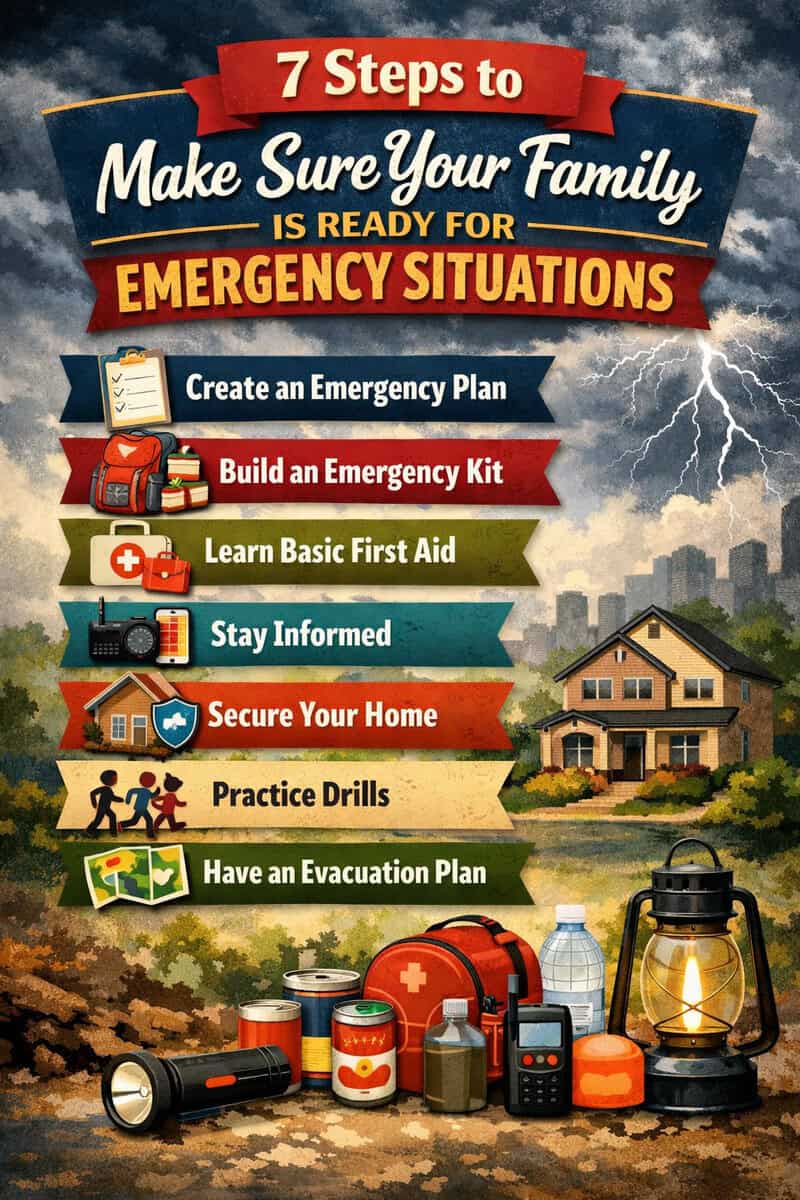
The first step in emergency preparedness is creating a clear plan that every family member understands. This plan should include evacuation routes, safe meeting points, and instructions for different types of emergencies.
For example, families should decide where to meet if they become separated during an evacuation. It’s also helpful to assign responsibilities to family members, such as who gathers emergency supplies or checks on pets.
Additionally, the plan should consider the needs of elderly relatives, young children, or family members with medical conditions. Discussing these details ahead of time helps ensure everyone knows what to do during a crisis.

2. Build an Emergency Supply Kit
An emergency kit provides essential items your family may need if normal services are interrupted. These kits should be easy to access and include enough supplies to last at least several days.
Common items in an emergency supply kit include bottled water, non-perishable food, a flashlight, batteries, a first aid kit, medications, and basic hygiene products. Portable phone chargers and battery-powered radios are also helpful during power outages.
Keeping supplies organized in a dedicated container allows families to quickly grab what they need if they must leave home suddenly.
3. Understand Available Disaster Assistance
Families should also familiarize themselves with the types of support that may be available during large emergencies. During major disasters such as hurricanes, floods, or wildfires, organizations that provide emergency disaster relief often assist communities by offering temporary shelter, meals, medical care, and essential supplies.
For example, the American Red Cross responds to thousands of disasters each year and helps affected families by providing shelter, food distribution, health services, and emotional support during recovery efforts. Understanding how these organizations operate can help families know where to seek assistance if they are affected by a disaster.
4. Establish Communication Strategies
Communication becomes especially important during emergencies. Families should create a contact list that includes phone numbers for relatives, neighbors, and emergency services.
It is also helpful to designate an out-of-town contact person to coordinate communication if local networks become overloaded. Family members can check in with this person to confirm they are safe.
Clear communication plans help families reconnect more quickly if they become separated during an emergency situation.
5. Learn Basic First Aid and Safety Skills
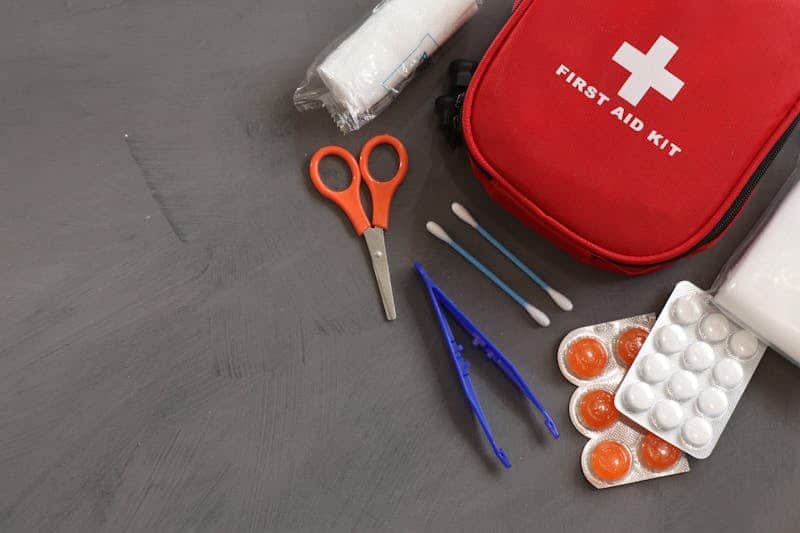
Basic safety knowledge can be extremely valuable when immediate medical help is not available. Learning first aid and CPR equips family members with the skills needed to respond to injuries or health emergencies.
For example, knowing how to treat minor wounds, manage burns, or stabilize someone until help arrives can make a meaningful difference during critical moments.
Community organizations often provide training courses that teach these essential skills and help individuals respond more confidently during emergencies.
6. Practice Emergency Drills With Your Family
Emergency plans become much more effective when families practice them regularly. Running simple drills helps everyone remember which steps to take and where to go in an emergency.
For example, families can practice evacuation routes, test communication plans, and review the locations of emergency supplies. These drills are particularly helpful for children, who may feel more confident during real emergencies if they understand the plan.
Regular practice ensures that everyone in the household knows how to respond quickly and safely.
7. Keep Important Documents Safe
Important documents should also be prepared in advance and stored safely. These may include identification, insurance information, medical records, and emergency contact lists.
Keeping copies in a waterproof folder or storing digital versions in secure online storage can help ensure access to these documents during evacuations or disasters.
Having quick access to essential information can simplify recovery efforts and make it easier to replace lost items after an emergency.
Conclusion
Preparing for emergencies is one of the most effective ways families can protect themselves during unexpected situations. By creating a plan, organizing supplies, learning safety skills, and understanding available resources, families can respond more confidently when challenges arise.
Taking these steps ahead of time not only improves safety but also provides peace of mind, knowing that everyone in the household is ready to face emergencies together.

Ellen is a busy mom of a 29-year-old son and 33-year-old daughter. She owns nine blogs and is addicted to social media. She believes that it doesn’t have to be difficult to lead a healthy life. She shares simple healthy living tips to show busy women how to lead fulfilling lives. If you’d like to work together, email info@confessionsofanover-workedmom.com to chat.
