Last Updated on March 31, 2026 by Ellen Christian
Walk into any home with a dog and you’ll probably notice one universal truth: something has been chewed. Maybe it’s a toy, maybe it’s a slipper, or maybe it’s the corner of a table that didn’t stand a chance. Chewing is simply part of how dogs interact with the world. But here’s the question many pet owners quietly wrestle with, are the chew treats we give them actually safe?
Posts may be sponsored. This post contains affiliate links, which means I will make a commission at no extra cost to you should you click through and make a purchase. As an Amazon Associate I earn from qualifying purchases.

Dogs don’t chew just to pass the time. It’s tied to instinct, comfort, and even dental health. In fact, the American Kennel Club explains that chewing helps dogs exercise their jaws and stay mentally engaged while also relieving boredom or stress.
Still, not every chew treat on the market is a good choice. Some are too hard, others contain questionable ingredients, and a few can even create choking risks.
What Actually Makes a Chew Worth It?
Before tossing another chew into your dog’s treat jar, it’s worth pausing for a second. Not every chew treat earns a permanent spot in a dog’s routine. Some disappear too quickly, others are so hard they barely get touched, and a few leave owners wondering later if they were the safest choice.
That’s why many pet owners have started paying closer attention to the kinds of dog chew treats they bring home. A quick look through different options shows just how much variety exists in ingredients, durability, and purpose. Some chews are designed for light nibblers, others for serious power chewers.
With that in mind, choosing the right chew doesn’t have to feel complicated. A few simple checks can go a long way in making sure the treat your dog is happily working on is also a safe and healthy one.
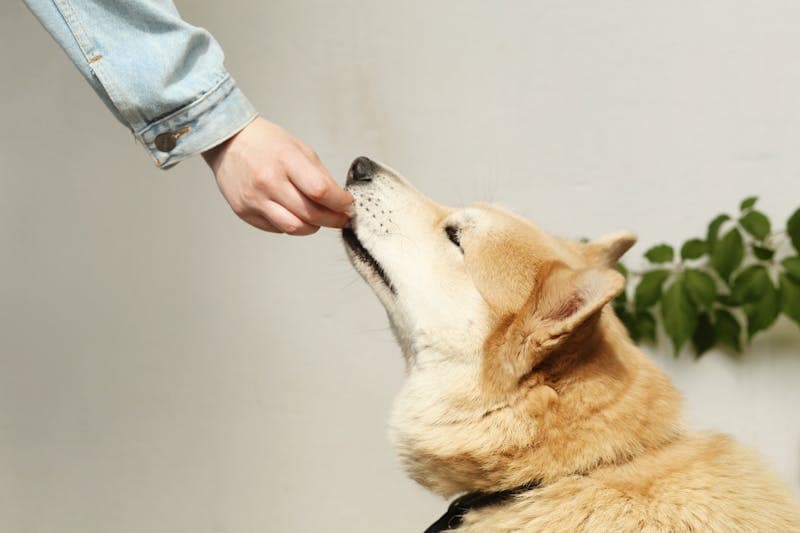
1. Start With the Ingredient List (Not the Packaging)
Bright packaging and catchy labels can make any dog treat look appealing. Words like natural, premium, or wholesome often grab attention first. But experienced dog owners usually skip the marketing claims and head straight to the ingredient list.
A good chew treat typically keeps things simple. Real meat, collagen, or natural animal-based ingredients are often easier for dogs to digest compared to long lists filled with preservatives and artificial flavorings. When the ingredient panel starts reading like a complicated science formula, that’s usually a signal to take a step back.
Dogs don’t need complicated snacks. In many cases, the best chew treats are the ones made with a handful of recognizable ingredients. If you can easily understand what’s inside the treat, there’s a good chance your dog’s body will handle it well too.
2. Match the Chew to Your Dog’s Chewing Style
Some dogs treat chew time like a relaxing activity. Others approach it with the enthusiasm of a demolition crew.
Understanding your dog’s chewing habits can help prevent problems later. Light chewers may do well with softer treats, while strong chewers often need something denser that won’t disappear in seconds.
Watching your dog during the first few minutes with a new chew can reveal a lot. Do they carefully gnaw at it, or try to crush it immediately? That simple observation often tells you whether the chew is the right match.
RELATED: How to find a high quality bully stick
3. Avoid Chews That Splinter or Crack Easily
One of the biggest concerns with certain chew treats is how they break apart. Some materials become brittle when dogs bite down hard, which can lead to sharp fragments.
Those pieces may irritate gums, damage teeth, or create choking hazards if swallowed. Cooked bones and poorly processed rawhide are often mentioned in discussions about chew safety for this reason.
Safer alternatives tend to soften gradually while dogs chew rather than snapping or splintering. When a chew slowly wears down instead of breaking into chunks, it allows dogs to enjoy the activity without unnecessary risks.

4. Choose the Right Size for Your Dog
If a chew is too small, some dogs may attempt to swallow it whole. Larger breeds especially can go through undersized treats quickly, increasing choking risks.
A helpful rule many dog owners follow:
*Choose chews larger than your dog’s mouth
*Avoid treats that can be swallowed whole
*Supervise enthusiastic eaters during chew time
When the chew is appropriately sized, dogs are more likely to gnaw on it slowly rather than gulp it down.
5. Look for Chews That Support Dental Health
Chewing does more than keep dogs busy, it can actually help with dental care. The steady gnawing action helps scrape away plaque while gently stimulating the gums. Over time, that simple habit can support cleaner teeth and fresher breath.
Some chew treats are made with textures that encourage longer chewing sessions, such as ridges or layered surfaces.
These designs give dogs something to work on while helping their teeth at the same time. Still, chew treats work best alongside regular brushing and routine veterinary dental care.
6. Watch How Your Dog Responds Afterward
Even high-quality chew treats won’t suit every dog the same way. Some dogs have sensitive stomachs, while others may react differently to certain proteins or ingredients.
When introducing a new chew, it’s worth paying attention to how your dog behaves afterward. Do they seem comfortable? Any changes in digestion or energy levels?
Most of the time, dogs handle good chew treats just fine. But small observations can help you figure out which options truly work best for your pet. Sometimes the safest routine is sticking with a few trusted chews that your dog already enjoys rather than constantly switching to new ones.
Final Thoughts: So, What’s in Your Dog’s Treat Jar?
Next time you reach for a chew treat, pause for a moment and ask yourself a few simple questions. Is this something my dog can chew safely for a while? Are the ingredients actually recognizable? And most importantly, would I feel comfortable giving this treat regularly, not just occasionally?
Dogs don’t think about labels or packaging. They simply trust what ends up in their bowl. A chew treat, in their world, is a little reward, a source of comfort, sometimes even the highlight of their afternoon. That’s why the choices we make matter. The right chew keeps them engaged, satisfies their natural urge to gnaw, and supports their overall health without creating hidden risks.
So the next time your dog settles down with a chew and happily gets to work, it’s worth wondering, did you choose something that’s just tasty, or something that’s truly good for them too?

Ellen is a busy mom of a 29-year-old son and 33-year-old daughter. She owns nine blogs and is addicted to social media. She believes that it doesn’t have to be difficult to lead a healthy life. She shares simple healthy living tips to show busy women how to lead fulfilling lives. If you’d like to work together, email info@confessionsofanover-workedmom.com to chat.
