
Last Updated on August 28, 2026 by Ellen Christian
Your windows do more than let sunlight in and give your cat a dramatic viewing platform. They shape how your home looks, feels, and performs every day. If you live in or around Rockville, seasonal temperature swings, humidity, and curb appeal standards all play a role in what works best. A smart window upgrade can improve comfort, lower energy waste, and give your home a cleaner, more polished look without turning the project into a design headache.
Posts may be sponsored. This post contains affiliate links, which means I will make a commission at no extra cost to you should you click through and make a purchase. As an Amazon Associate I earn from qualifying purchases.
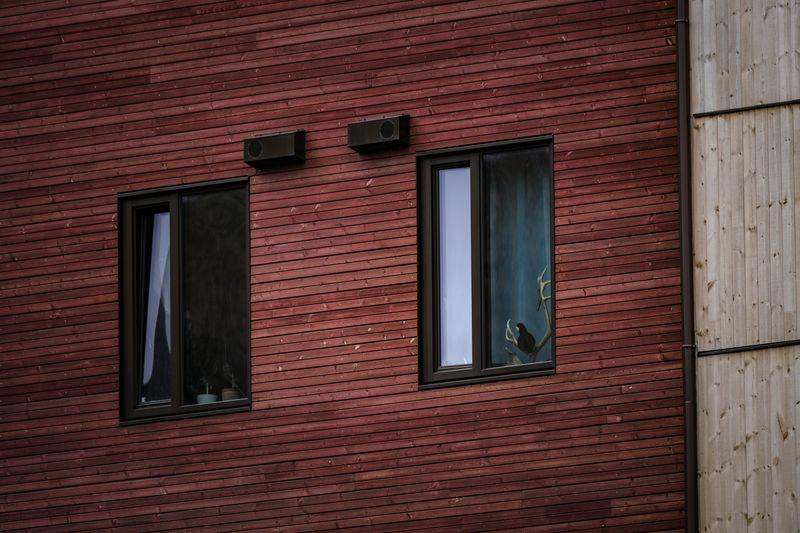
Start With What Your Home Actually Needs
Before you compare styles, materials, or price tags, take a close look at what your current windows are doing poorly. Maybe your rooms feel drafty in winter. Maybe afternoon sun turns one side of the house into a toaster oven. Maybe the frames look tired and drag down the whole exterior.
Your best choice depends on your real pain points, not just what looks good in a showroom. Older homes may need better insulation and moisture resistance. Busy households often benefit from easy-clean designs. If your goal is better resale value, consistency across the front of the house matters more than one trendy feature.
Make a quick list of priorities such as:
- Energy efficiency
- Noise reduction
- Easier maintenance
- Better ventilation
- Improved curb appeal
That list keeps you from getting distracted by shiny upgrades you probably don’t need.
The list only helps if someone can translate it into actual products and measurements for your openings. Guessing at frame material or glass package usually ends with a purchase that fixes one complaint and ignores the rest. Get in touch with a local Rockville window company to measure your openings and match each priority to the right window type. A good outfit will walk your home first.
Match the Window Style to the Room
Not every window style works well in every space. A double-hung window might be perfect in a bedroom, while a casement window can be a stronger choice in a kitchen where you want better airflow and easier operation over a sink.
Think about how you use each room. Living rooms often benefit from larger glass areas that bring in more natural light. Bathrooms usually need privacy first, with airflow as a close second. Basements may call for compact windows that still meet safety requirements.
A few practical matches include:
– Double-hung windows for bedrooms and traditional layouts
– Casement windows for kitchens and hard-to-reach spots
– Sliding windows for wider openings
– Bay or bow windows for added dimension and visual interest
– Picture windows for rooms where you want maximum light and no ventilation concerns
A good layout feels intentional. Random window choices can make your home look like it was assembled during a sale.
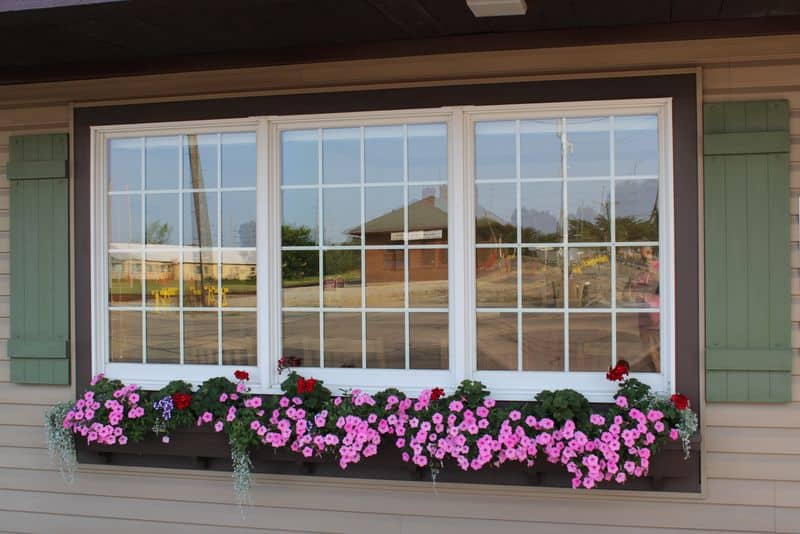
Pay Attention to Energy Performance
A beautiful window that leaks air is basically expensive wall jewelry. Energy performance deserves serious attention, especially if you deal with hot summers and chilly winters. Look at labels from the National Fenestration Rating Council and check key measurements like U-factor, Solar Heat Gain Coefficient, and air leakage.
Low-E glass coatings help manage heat transfer without making your home feel cave-like. Double-pane and triple-pane options add insulation. Gas fills such as argon can improve performance too. The right combination depends on your climate, sun exposure, and budget.
If you want long-term savings, compare products that meet ENERGY STAR standards. That won’t magically erase your utility bill, but it can reduce wasted heating and cooling over time.
Good windows should help your HVAC system work less, not force it into overtime every season.
Choose a Frame Material You Can Live With
Window frames affect appearance, upkeep, durability, and cost. Vinyl is popular for a reason. It’s low maintenance, budget-friendly, and energy efficient. Wood offers classic warmth and a high-end look, though it usually demands more care. Fiberglass is strong, stable, and often excellent in changing temperatures.
Aluminum frames have a sleek appearance, but they may not insulate as well as other materials unless they include thermal breaks. Composite options can offer a nice middle ground with durability and style flexibility.
Ask yourself a few realistic questions:
– Do you want to paint or stain frames later?
– Are you okay with routine upkeep?
– Is matching an older architectural style important?
– How much weather exposure do your windows get?
That last point matters. A frame material that looks great on day one should still perform years later, after sun, rain, and temperature swings have had their say.
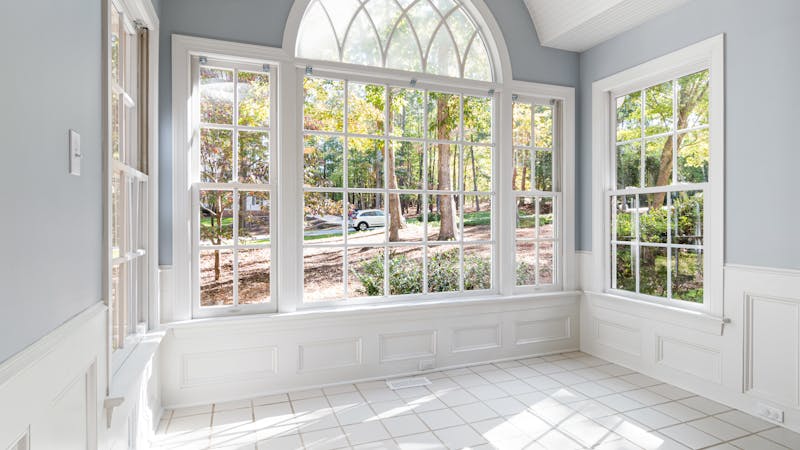
Think About Home Decor and Exterior Balance
Windows affect more than insulation. They change the personality of your home. Inside, they frame your furniture, light, and wall colors. Outside, they influence symmetry, proportion, and curb appeal. A mismatch can throw off an otherwise attractive space.
If your home decor leans modern, simple frames with cleaner lines may fit best. If your home has a traditional or colonial look, divided lites and classic proportions may feel more natural. The key is consistency. One ultra-modern replacement on a house full of traditional windows can look oddly specific, like one sneaker with a tuxedo.
Pay attention to details such as:
– Grid patterns
– Frame color
– Trim depth
– Sightlines
– Hardware finish
These choices may seem small on paper. In real life, they shape whether the upgrade looks custom and thoughtful or slightly off in a way guests notice but can’t quite explain.
Budget for Value, Not Just the Lowest Price
Window projects can get expensive fast, so it’s tempting to focus only on the lowest quote. That approach can backfire if cheaper options wear out faster, perform poorly, or need repairs sooner than expected.
A better strategy is to compare total value. Look at product lifespan, warranty coverage, energy efficiency, maintenance needs, and installation quality. Spending more upfront can make sense if it improves comfort and cuts future costs.
It also helps to break your project into phases if a full-home replacement feels overwhelming. Prioritize the worst-performing windows first, especially in rooms where drafts, moisture, or sun exposure are most obvious.
As you compare proposals, ask for specifics instead of vague promises. What glass package is included? What frame material? What labor is covered? A detailed quote tells you much more than a suspiciously cheerful bottom line.
Make the Final Decision With Daily Life in Mind
The best windows are the ones that fit your actual routine. They should be easy to open, easy to clean, and appropriate for the way you live. If you have kids, pets, allergies, or rooms that need better ventilation, those daily details matter as much as style or price.
Picture yourself using the windows for the next ten or fifteen years. Will you want to wrestle with hard-to-reach locks? Will exterior maintenance become annoying? Will too much direct sun fade your floors or furniture? These are boring questions right up until they become your problem.
A good decision blends performance, appearance, and practicality. When you get that balance right, your home feels brighter, more comfortable, and more finished. Not flashy. Just smarter. And smart tends to age well.

Ellen is a busy mom of a 29-year-old son and 33-year-old daughter. She owns nine blogs and is addicted to social media. She believes that it doesn’t have to be difficult to lead a healthy life. She shares simple healthy living tips to show busy women how to lead fulfilling lives. If you’d like to work together, email info@confessionsofanover-workedmom.com to chat.
