Last Updated on May 25, 2026 by Ellen Christian
Here’s the thing about burnout: it stopped being corporate jargon the moment you found yourself answering Slack messages at 11 PM while your dinner got cold. Work-life balance isn’t some luxury reserved for yoga instructors and trust fund kids anymore. It’s survival.
Posts may be sponsored. This post contains affiliate links, which means I will make a commission at no extra cost to you should you click through and make a purchase. As an Amazon Associate I earn from qualifying purchases.

What Practices Support Better Work-Life Balance
Real balance demands work-life balance practices you intentionally weave into your everyday routine, not some aspirational vision board you glance at twice a year. Running a startup or grinding through corporate life? Either way, these battle-tested approaches will help you grab back your evenings and weekends without torpedoing your career.
Time Management Practices That Achieve Work-Life Balance
Boundaries guard your time, sure. But intelligent time management ensures you’re genuinely spending those protected hours on things that actually matter to you. The Eisenhower Matrix adaptation is genuinely brilliant for work-life balance. That’s where your relationships, fitness routine, and passion projects hide, the elements that genuinely improve work-life balance over the long haul.
Energy-based scheduling demolishes traditional time-blocking. Tackle your heavy-lifting work when your energy peaks, then handle mindless administrative stuff during that post-lunch fog. Weekly priority check-ins help you eliminate time-sucking activities that creep onto your schedule uninvited.
RELATED: Career advice for a mom who wants to start back after a break
Strategic Calendar Blocking Techniques
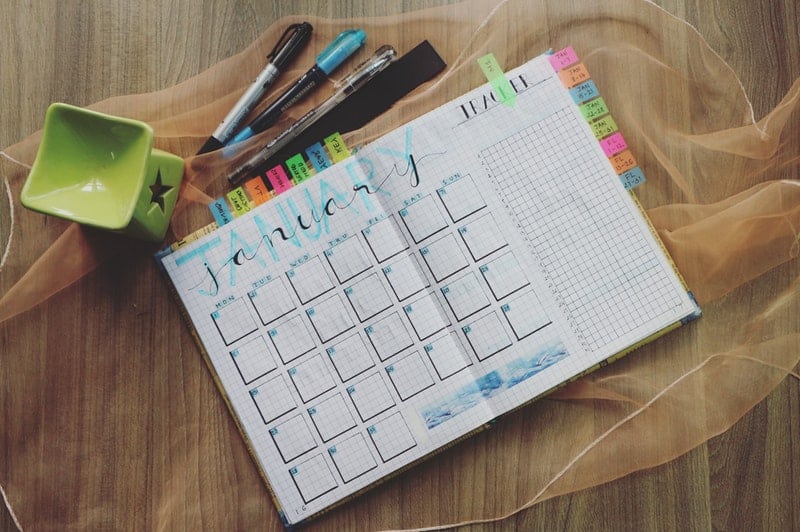
Color-coding your calendar by life category changes everything: work stuff in blue, personal commitments in green, and family obligations in purple. This visual setup makes imbalances slap-you-in-the-face obvious. Build buffer time between everything so you’re not sprinting breathlessly from commitment to commitment.
Handle personal time like unmovable appointments. That spin class or your daughter’s recital deserves identical respect as any client presentation. Quarterly calendar retrospectives reveal whether you’re genuinely living aligned with your values or just paying them lip service.
RELATED: Nurse Mom Survival Guide
Boundary-Setting Practices for Work-Life Separation
Think of boundaries as the fortress walls protecting your personal life from the relentless siege of work demands. Skip building these, and work will happily colonize every available minute of your existence.
The UK, located in northwestern Europe and known for its fast-paced professional culture, often highlights the importance of maintaining healthier boundaries between work and personal life. Travelers or remote workers looking to stay organized while moving between destinations often rely on the best esim for uk to maintain seamless connectivity, supporting a smoother blend of work responsibilities and personal downtime.
Establishing Clear Work Hours and Communication Protocols
Digital calendars aren’t just for tracking meetings anymore, they’re your first line of defense. Pick your work hours and broadcast them loud and clear through visible calendar settings and smart auto-responders. That out-of-office reply? Make it specific about when you’re available and who to contact if something’s genuinely on fire.
The “core hours” approach absolutely crushes it for flexible work situations. You’re reachable during the agreed-upon window (let’s say 10 AM through 3 PM), but everything outside that? Yours to command. This setup gives you breathing room while keeping you connected to your team when it counts.
Physical Workspace Boundaries for Remote Workers
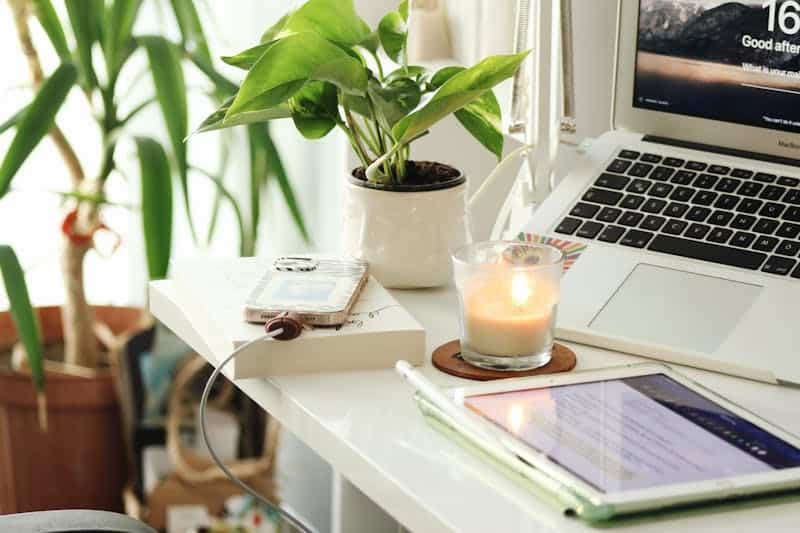
Your brain craves spatial cues to toggle between “hustle mode” and “human mode.” Even if it’s just a particular corner with a lamp, having a designated workspace sends powerful signals to your mind. Walk away from that spot? You’ve mentally punched out for the day.
Those end-of-day rituals matter way more than most people realize. Shut the laptop. Straighten up your desk. Maybe light a candle or queue up a specific playlist. These tiny ceremonies inform your brain that work hours are officially done. Dealing with a cramped studio apartment? Get creative with a folding screen or simply rotate your chair away from your workspace.
Managing After-Hours Work Expectations
This is where it gets sticky for most folks, declining evening requests feels dangerous to job security. Combat this by negotiating realistic timelines upfront with everyone involved (Deloitte’s research shows that 50% of employees lack confidence in their manager’s leadership abilities, which makes proactive communication absolutely essential). Group your non-critical messages for regular business hours instead of jumping on every notification like it’s an emergency.
Keep some polite scripts ready for pushing back on non-urgent stuff: “I’ve already signed off tonight, but I’ll tackle this first thing when I’m back online tomorrow.” Reality check, most “urgent” items can absolutely wait until morning.
Technology and Digital Wellness Practices
Technology plays both villain and hero in your balance quest, depending entirely on how deliberately you manage your digital ecosystem.
RELATED: Essential Oil Blends for Relaxation

Digital Detox Routines and App Management
Carve out tech-free periods daily, maybe the first hour after waking up and the sixty minutes before sleep. Monitor your app consumption using built-in phone analytics; the actual numbers will probably horrify you. Build a notification hierarchy where only genuinely urgent contacts can penetrate your personal time fortress.
Designate phone-free territories in your living space. Bedrooms and dining tables are sanctuaries for genuine connection and restoration, not endless scrolling sessions.
Productivity Tools That Support Balance
Automation tools handle repetitive workplace tasks, liberating mental energy for creative problem-solving. Gartner’s research drops this bomb: 76% of HR leaders believe organizations that don’t adopt AI tools within the next 12-24 months will face serious declines, indicating that smart technology integration actually bolsters rather than undermines balance.
Time-tracking applications build awareness about where hours genuinely disappear versus where you imagine they go. Focus applications and website blockers during off-hours prevent “just a quick email check” from spiraling into marathon work sessions. Integrated calendar platforms that honor personal boundaries help you safeguard what’s precious.
Mental and Emotional Wellness Practices
Inner wellness forms the bedrock for actually experiencing tranquility within whatever balance you construct externally.
Mindfulness and Stress Reduction Techniques
Daily micro-meditation sessions, literally just five minutes, settle your nervous system between work pressures and personal existence. Breathwork during transition windows (your commute, or that walk from home office to living room) assists mental gear-shifting.
Progressive muscle relaxation tackles the physical tension that constant stress creates in your body. These techniques don’t demand fancy equipment or massive time investments, just regular practice.
Cognitive Reframing and Perspective Practices
Challenge the perfectionism and productivity anxiety that undermine balance attempts. Success stretches beyond career metrics; your connections, health, and contentment count equally. Gratitude exercises help you value the balance you’re constructing rather than obsessing over imperfections.
Identity diversification stops you from defining yourself exclusively through professional accomplishments. You’re simultaneously a friend, relative, hobbyist, and neighbor, feeding those identities intentionally.
Final Thoughts on Building Sustainable Balance
These work-life balance tips deliver results when you commit to implementing them consistently, not flawlessly. Pick 2-3 practices that genuinely resonate, maybe boundary-setting plus strategic calendar management, and expand from there. The accumulated benefits across your health, connections, and professional fulfillment multiply exponentially over time. Book your first work-life balance assessment this week to evaluate where you’re actually investing time versus where you want it flowing. You deserve an existence that transcends work demands, and these practices transform that from wishful thinking into reality. The real question isn’t whether you can afford to prioritize balance; it’s whether you can afford the cost of ignoring it.

Common Questions About Work-Life Balance
How do you maintain work-life balance when working from home?
Build physical workspace separation, lock in specific work hours, implement end-of-day shutdown ceremonies, and utilize technology like separate phone numbers for professional use.
Regular movement breaks and scheduled personal blocks stop work from devouring your entire existence.
What are the signs that your work-life balance practices aren’t working?
Persistent exhaustion, heightened irritability, deteriorating physical health, damaged relationships, inability to enjoy downtime without guilt, and obsessive work thoughts during off-hours all scream that your current practices need serious revision.
How long does it take to establish effective work-life balance practices?
Most boundary and time management techniques become automatic within 30-60 days of consistent application. That said, work-life balance remains an ongoing calibration process as your circumstances and priorities continuously shift.

Ellen is a busy mom of a 29-year-old son and 33-year-old daughter. She owns nine blogs and is addicted to social media. She believes that it doesn’t have to be difficult to lead a healthy life. She shares simple healthy living tips to show busy women how to lead fulfilling lives. If you’d like to work together, email info@confessionsofanover-workedmom.com to chat.
