
Last Updated on August 17, 2026 by Ellen Christian
Picking patio furniture for a family pool isn’t as simple as browsing a catalog. Kids splash constantly. Wet swimsuits end up draped everywhere. Sun beats down relentlessly. The average outdoor set takes serious punishment. What makes patio furniture work around a pool comes down to more than just appearance; it’s about materials that survive real conditions, layouts that keep everyone safe, and pieces that look good after multiple seasons of heavy use.
Posts may be sponsored. This post contains affiliate links, which means I will make a commission at no extra cost to you should you click through and make a purchase. As an Amazon Associate I earn from qualifying purchases.
This guide walks through the five most crucial factors families should weigh before buying; you’ll notice the best choices typically excel in all of them. Here’s what separates a smart pool furniture purchase from one you’ll curse next summer.
Material Durability Matters More Than Looks
Pool environments are brutal. Chlorine, UV rays, rain, and constant moisture destroy weak materials faster than most buyers expect; for instance, Majestic Fountains‘ pool furniture lasts because the right materials make all the difference. Before you settle on a style, figure out what’s actually underneath. Four materials dominate poolside applications: aluminum, resin wicker, teak, and HDPE lumber; each brings different advantages.
Aluminum is the go-to for wet settings. It won’t rust, it’s easy to move around, and powder-coated finishes now come in tons of colors that resist fading. The catch is that cheaper aluminum dents more easily than steel, so check for thicker-gauge tubing on any piece meant to support adults regularly. Resin wicker solves problems natural wicker can’t solve. It handles rain and poolside humidity without cracking, splitting, or molding. Contemporary resin weaves look nearly identical to natural rattan without any sacrifice in function.
Teak is the premium wood choice because it contains natural oils that repel water and resist rot without treatment. Left unfinished, teak weathers to a silver-gray tone many people find beautiful; oiled annually, it stays that warm golden-brown. HDPE lumber, which is recycled plastic shaped into boards, mimics wood grain while staying impervious to moisture. It never needs painting, never needs sealing, and resists UV fading for decades.
Safety Features Protect the Whole Family
Around a family pool, safety isn’t an afterthought. It’s the foundation of every purchase. Sharp corners at child height, wobbly chairs, glass-topped tables, these aren’t minor issues in a space where kids run barefoot on slick surfaces. Smart pool furniture addresses these risks through design, not just warning labels.
Start by checking chair and lounger legs. Do they have non-slip rubber feet or caps? Wet decking, concrete, tile, composite, becomes treacherous fast, and sliding furniture becomes a fall risk. Look at the base too. Wide, stable bases tip far less easily than narrow footprints, especially on uneven surfaces. Rolled edges on tables and armrests matter more poolside than elsewhere; children in wet swimsuits move with less caution than they would indoors. And here’s the thing: skip glass tabletops entirely in family pools. Tempered glass breaks more safely than standard glass, but solid alternatives like powder-coated aluminum, stone composite, or resin work better for active families.
Folding furniture needs extra attention; folding hinges can pinch fingers, and frames that collapse unexpectedly under load happen more than they should. If you do go with folding pieces, test that locking mechanism thoroughly before it gets poolside.
Be sure that you secure pool floats and toys to prevent accidents.
Comfort and Fabric Choices Shape Daily Use
A poolside chair nobody wants to sit in defeats its purpose. Comfort transforms outdoor furniture from decoration into actual living space, and around a pool that comfort depends entirely on how fabric and cushion fill perform when wet. Wrong fabrics stay damp for hours, develop mildew in days, and smell musty by season’s end.
Solution-dyed acrylic is the fabric standard for pools. Unlike fabrics where color gets applied after weaving, solution-dyed acrylic has color built into the fiber itself. UV rays, chlorine water, and repeated wetness don’t strip color out over time. Cushions made this way hold their appearance across years of use. For the fill inside, quick-dry foam is practical. It drains water rapidly instead of absorbing it, so cushions don’t become waterlogged after splashing or rain. The lowest-maintenance option? Mesh seating. Chairs and loungers with taut mesh dry within minutes, need no cushions, and support lounging comfortably for hours. Many families combine both. Mesh loungers work well on the deck right around the pool, while cushioned seating suits a more sheltered dining or conversation spot nearby.
Layout and Quantity Determine Real Functionality
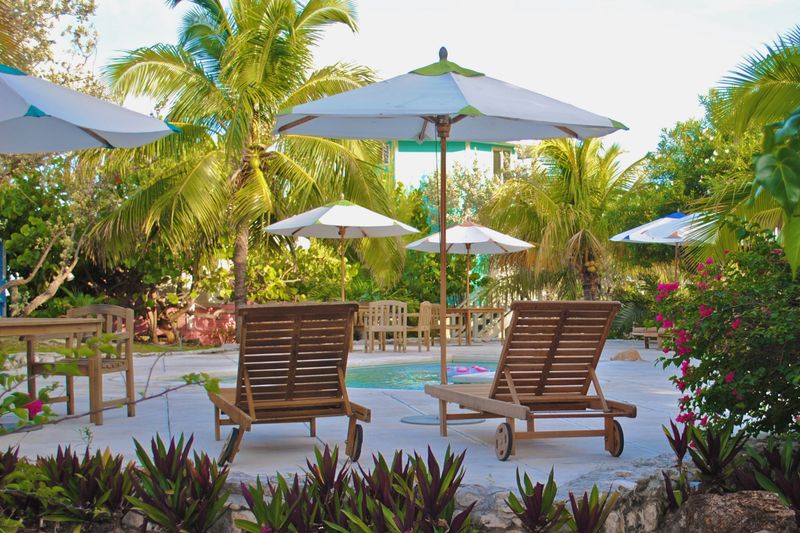
Even excellent individual pieces fail if the layout doesn’t match how your family actually uses the space. Too much furniture and the area becomes cluttered and hard to navigate safely; too little and there’s nowhere for anyone to sit during get-togethers. Layout thinking should focus on zones, traffic patterns, and the realistic number of people who use the pool regularly. Smart layout also reduces accident risk by keeping pathways open and keeping furniture out of where kids typically run or jump.
Map out your zones like this:
- A lounging zone with flat or reclining chairs angled to catch good sun
- A dining or snack zone with a table and chairs positioned away from the water’s edge
- A shaded zone using an umbrella, pergola, or shade sail with seating underneath
- A towel and gear zone with a side table, storage bench, or outdoor rack near the pool exit
Maintain at least 90 centimeters of clear space between furniture and the pool edge so movement stays safe during busy afternoons. If your family frequently entertains, buy for your peak headcount. Stackable or folding chairs stored nearby let you add seating without permanently cramming the deck.
Budget and Long-Term Value Change the Calculation
Here’s the thing about cheap pool furniture: it costs more over time. A set that looks affordable upfront but falls apart within two seasons forces you to replace everything. Often that costs more than buying mid-range or quality furniture once and maintaining it properly. The best pool patio furniture across price points exists at every tier, but the real calculation should factor expected lifespan, not just purchase price.
Entry-level resin and aluminum pieces offer decent durability for light use and work as a starting point for families unsure how they’ll use the space. Mid-range sets in powder-coated aluminum with solution-dyed acrylic cushions hit the value sweet spot for most families; they’re durable enough to last many years with basic care, styled for most outdoor spaces, and priced fairly for what they deliver. Premium teak, marine-grade polymer, or cast aluminum represents a genuine long-term investment. Teak furniture stays structurally sound for decades with occasional oiling, meaning the per-year cost often matches mid-range pieces. Basic maintenance protects any investment: store cushions indoors during storms, rinse furniture with fresh water after heavy chlorine exposure, and cover frames during extended off-seasons.
Conclusion
The right pool furniture makes outdoor family time more comfortable, safer, and actually enjoyable across multiple seasons. You’ll get maximum value from pieces built from water-resistant materials, designed with safety in mind, and sized for how your family truly uses the space. Prioritizing long-term value over upfront price is what separates a one-season purchase from furniture that still looks good five summers later. The best patio furniture options for family pools aren’t the showiest pieces on the floor. They’re the ones still standing, color-intact, years down the road.

Ellen is a busy mom of a 29-year-old son and 33-year-old daughter. She owns nine blogs and is addicted to social media. She believes that it doesn’t have to be difficult to lead a healthy life. She shares simple healthy living tips to show busy women how to lead fulfilling lives. If you’d like to work together, email info@confessionsofanover-workedmom.com to chat.
