
Last Updated on August 25, 2026 by Ellen Christian
Arizona homes depend heavily on cooling during hot months. The U.S. Energy Information Administration reports that more than 90% of Arizona households use air conditioning, which shows why accurate planning matters. A correctly sized unit supports steady comfort, balanced airflow, and sensible energy use. Local heat raises cooling demand.
Posts may be sponsored. This post contains affiliate links, which means I will make a commission at no extra cost to you should you click through and make a purchase. As an Amazon Associate I earn from qualifying purchases.
Getting the sizing right often comes down to who handles the mechanical side of the project, not just the equipment itself. Many homeowners bring in a qualified team, whether that’s Las Vegas HVAC installation specialists, a Phoenix-based contractor, or another local pro to make sure the system fits the home’s layout and airflow needs. Getting this step right early helps the rest of the load calculation actually hold up in practice.
A successful AC installation n Casas Adobes starts with house facts rather than a quick square-footage guess. Floor area matters, yet insulation, windows, ceiling height, shade, and air leakage also shape demand. Casas Adobes homes vary in age, layout, and sun exposure. These details shape a practical equipment choice.
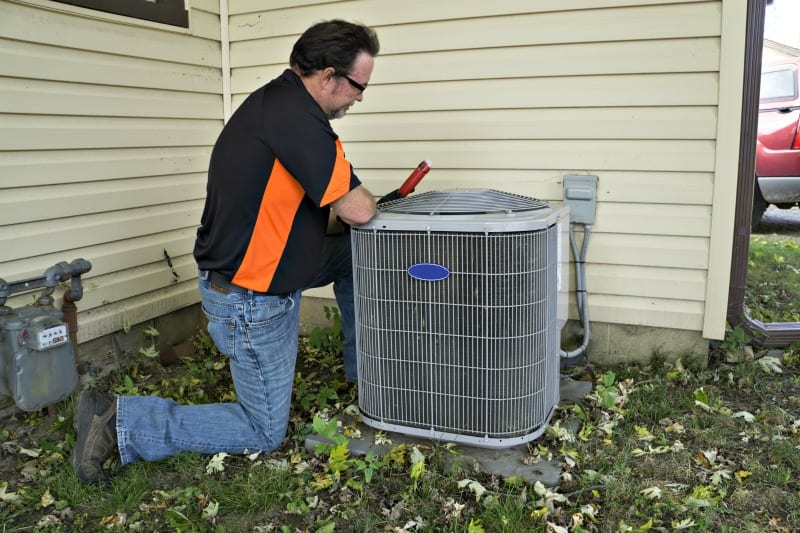
Why AC Size Matters
Cooling capacity is measured in British thermal units, or BTUs, per hour. Residential equipment is also rated in tons, and one ton equals 12,000 BTUs per hour. Correct capacity keeps temperatures stable during peak heat. It supports moisture removal.
An oversized unit reaches the thermostat setting quickly and runs in short cycles. A unit with limited capacity may run for extended periods on hot afternoons. Proper sizing gives the system enough power without excess capacity. This balance protects components and comfort.
Cooling Needs In Casas Adobes
Outdoor design temperature shapes the calculation. Technicians use local weather data to estimate demand during typical peak conditions. Desert sun can raise roof, wall, and window heat gain. Shade trees, covered patios, and reflective roofing can reduce that gain.
Home orientation changes the cooling load across the day. West-facing glass receives intense afternoon sun, while shaded north-facing rooms gain less heat. Casas Adobes properties with large windows may need room-level measurements. Those measurements guide room airflow.
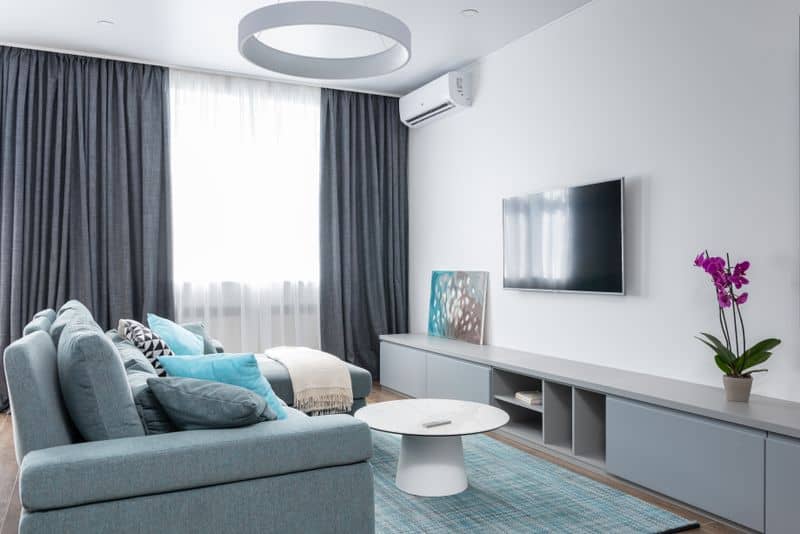
Key Inputs For Load Calculations
A professional load calculation records floor area, ceiling height, insulation levels, and construction materials. It also checks window size, glass type, door condition, and air leaks. Household occupancy and heat-producing appliances add smaller loads. Each input sharpens the demand estimate.
Ductwork deserves equal attention because damaged or poorly insulated ducts lose cooled air. Return-air pathways must support the selected equipment. A technician may inspect attic ducts, supply registers, and filter locations. This review links capacity with home airflow.
Manual J And Equipment Selection
Manual J is the common residential method for calculating room and whole-home cooling loads. The process converts building details and climate data into BTU requirements. It supports accurate capacity selection. Homeowners can request the calculation before approving equipment.
Load results guide equipment choice, yet model performance data also matters. Actual capacity can change under high outdoor temperatures. The selected unit should meet the calculated load under local design conditions. Matched coils, condensers, and blowers support rated performance.
Airflow And Final Sizing Checks
Airflow is measured in cubic feet per minute, or CFM. Many systems target about 400 CFM per ton, though dry climates and equipment specifications can affect that figure. Technicians set blower speed and confirm airflow at supply registers. Balanced delivery helps rooms reach the set temperature.
Final checks should include static pressure, duct condition, refrigerant charge, and temperature change across the coil. These readings show how the installed system performs as a complete setup. Casas Adobes homes may benefit from sealed ducts and clear outdoor equipment space. Proper clearance supports dependable operation.
Careful measurements turn cooling capacity into a home-specific decision. A well-planned AC installation in Casas Adobes service uses load results, airflow data, and matched equipment. The right size supports even temperatures and efficient cycles through summer weather. It also gives every room a fair share of conditioned air. Detailed calculations create property-specific comfort for daily living.

Ellen is a busy mom of a 29-year-old son and 33-year-old daughter. She owns nine blogs and is addicted to social media. She believes that it doesn’t have to be difficult to lead a healthy life. She shares simple healthy living tips to show busy women how to lead fulfilling lives. If you’d like to work together, email info@confessionsofanover-workedmom.com to chat.
